

Reliable electricity is a critical requirement for manufacturing operations. However, many factories in Nigeria face frequent grid instability, high diesel generator costs, and rising energy expenses. These challenges can disrupt production schedules and reduce operational efficiency.
Industrial solar and battery systems are increasingly becoming a viable energy solution for factories across Nigeria. By combining solar power generation with battery storage, businesses can create a more stable and cost-effective power supply.
This article explains how industrial solar and battery systems work, the benefits they provide to manufacturers, and how businesses can implement them effectively.
Energy Challenges Facing Nigerian Factories
Manufacturing facilities in Nigeria often rely on multiple power sources to maintain production. While the national grid provides electricity, it is frequently unreliable in many industrial zones.
As a result, many factories depend heavily on diesel generators. While generators provide backup power, they come with several operational challenges:
-
High and fluctuating fuel costs
-
Regular maintenance requirements
-
Noise and environmental impact
-
Risk of downtime during fuel shortages
These factors increase operational expenses and can limit production capacity. Many manufacturers are therefore exploring alternative energy solutions that offer greater stability and cost control.
What Is an Industrial Solar and Battery System?
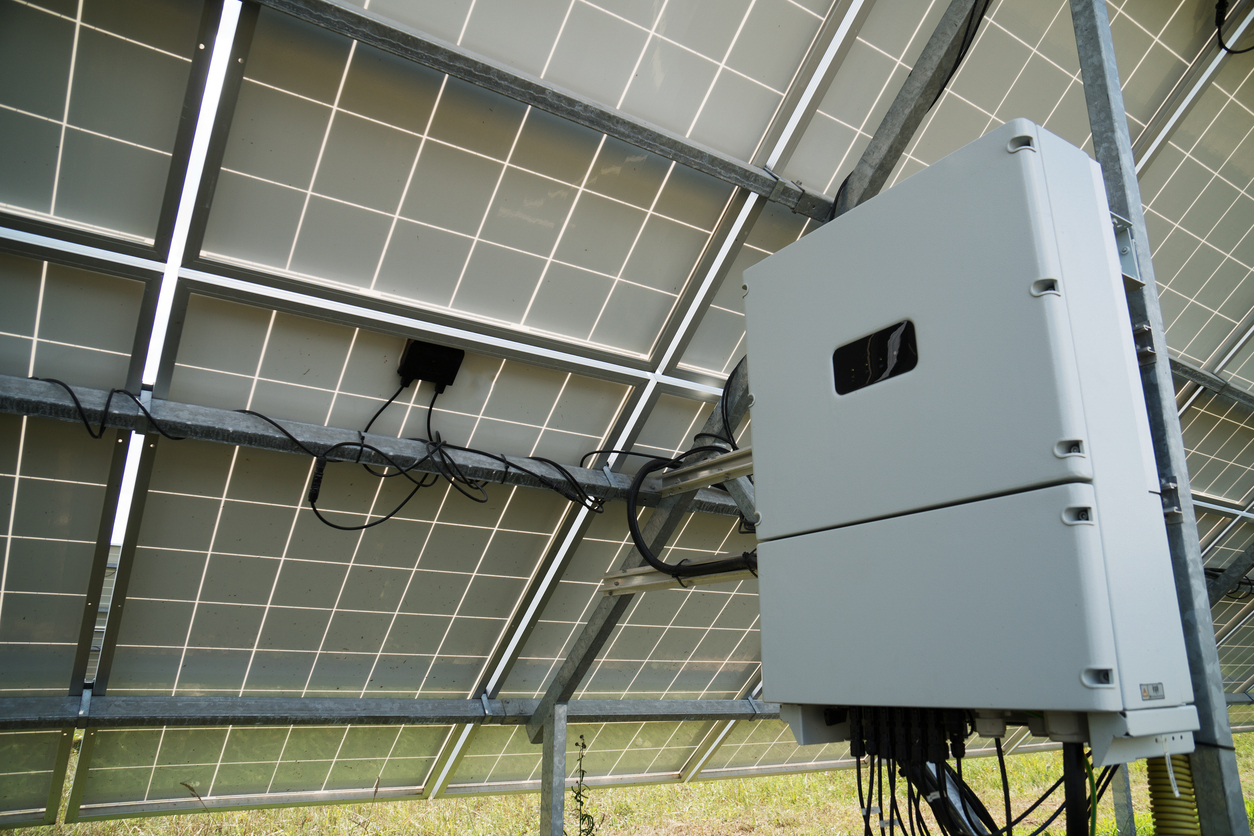
An industrial solar and battery system combines solar panels with energy storage technology to supply electricity for large-scale operations such as factories, warehouses, and processing plants.
The system typically includes:
-
Solar photovoltaic (PV) panels that generate electricity from sunlight
-
Inverters that convert solar power into usable electricity
-
Battery storage systems that store excess energy for later use
-
Energy management systems that optimize power usage
During daylight hours, solar panels generate electricity that can power factory operations directly. Excess energy is stored in batteries and can be used during the evening or during grid outages.
This hybrid approach allows factories to reduce their reliance on diesel generators and unstable grid electricity.
Key Benefits for Manufacturing Businesses
Reduced Energy Costs
Energy is one of the largest operating costs for many factories. Solar power significantly reduces dependence on diesel generators, which can consume large amounts of fuel daily.
Over time, this leads to lower operational costs and improved profitability.
Improved Power Reliability
Battery storage ensures that electricity remains available even when solar production decreases or when the grid fails. This helps maintain continuous production and reduces costly downtime.
Long-Term Energy Stability
Solar energy provides a predictable source of power. Unlike diesel fuel prices, which fluctuate due to global market changes, solar energy costs remain relatively stable once the system is installed.
Environmental and Sustainability Benefits
Many companies are under increasing pressure to improve sustainability and reduce carbon emissions. Solar energy supports cleaner manufacturing operations while improving corporate environmental performance.
Implementation Challenges and Considerations
While solar and battery systems offer clear benefits, factories must carefully evaluate several factors before implementation.
Energy Demand Assessment
Factories have different power requirements depending on their machinery, production processes, and operating hours. A proper energy audit helps determine the appropriate system size.
Installation and Infrastructure
Industrial solar installations require adequate roof space or land for panel placement. Structural assessments and electrical integration must also be considered.
Regulatory Compliance
Energy systems must comply with Nigerian regulations and grid interconnection policies. Businesses should work with experienced partners who understand local requirements.
Supply Chain and Procurement Considerations
Sourcing reliable solar equipment is essential for system performance and long-term durability. Industrial components such as solar panels, inverters, and batteries must meet international quality standards.
Businesses often face challenges when importing energy equipment, including:
-
Supplier verification
-
Shipping logistics
-
Customs clearance
-
Regulatory documentation
Companies that support sourcing and logistics can simplify this process and ensure reliable equipment procurement.
How Wigmore Trading Supports Energy Equipment Supply
For manufacturers investing in solar infrastructure, managing procurement and logistics can be complex. Reliable supply chains are necessary to ensure equipment arrives on time and meets project requirements.
Wigmore Trading supports businesses by assisting with:
-
Sourcing solar equipment from verified international suppliers
-
Managing import logistics and shipping coordination
-
Handling customs clearance and documentation
-
Distributing equipment across Nigeria and West Africa
This integrated support helps manufacturers reduce procurement risks and maintain project timelines when implementing industrial energy solutions.
Conclusion
Industrial solar and battery systems offer Nigerian factories a practical way to improve energy reliability, control operating costs, and support sustainable manufacturing.
By combining solar generation with battery storage, manufacturers can reduce dependence on diesel generators and maintain consistent production even during grid instability.
However, successful implementation requires proper system design, quality equipment sourcing, and efficient logistics management.
Wigmore Trading can help. Contact Wigmore Trading today to streamline your sourcing.




Comments are closed.