
Inventory Supply for Retailers in Nigeria: Strategies for Reliable Stock Management


Nigeria’s retail sector continues to expand rapidly, driven by urbanisation, a growing middle class, and increasing demand for fast-moving consumer goods (FMCG). However, one of the most persistent challenges retailers face is maintaining a consistent and efficient inventory supply. Poor stock management can lead to lost sales, excess inventory costs, and strained supplier relationships.
This article explores practical strategies for improving inventory supply for retailers in Nigeria, while highlighting how structured sourcing and logistics support can strengthen retail operations.
Understanding Inventory Supply Challenges in Nigeria
Retailers in Nigeria operate in a complex environment shaped by infrastructure limitations, fluctuating exchange rates, and inconsistent supplier reliability. These challenges often result in:
- Stockouts of high-demand products
- Overstocking of slow-moving items
- Delays in restocking due to logistics inefficiencies
- Increased operational costs
For many retailers, especially small and medium-sized enterprises (SMEs), the lack of structured procurement systems further complicates inventory planning.
Building a Reliable Inventory Supply Chain
A strong inventory supply system starts with reliable sourcing. Retailers must establish dependable supplier networks that can consistently deliver quality goods on time.
1. Diversifying Supplier Networks
Relying on a single supplier increases risk. Retailers should work with multiple vetted suppliers to ensure continuity of supply. This is particularly important for imported goods, where delays at ports or currency fluctuations can disrupt availability.
Companies like Wigmore Trading support retailers by connecting them with verified local and international suppliers, helping reduce sourcing risks.
2. Leveraging Bulk Purchasing
Bulk purchasing can improve cost efficiency and ensure consistent stock levels. However, it requires careful demand forecasting to avoid overstocking.
Retailers can benefit from wholesale distributors who offer competitive pricing and flexible order volumes. By partnering with experienced distributors, businesses can maintain optimal inventory levels without tying up excessive capital.
Improving Inventory Management Systems
Efficient inventory supply is not just about sourcing—it also depends on how stock is managed internally.
3. Implementing Inventory Tracking Tools
Digital inventory management systems help retailers monitor stock levels in real time. These tools can:
- Track fast-moving and slow-moving items
- Automate reorder points
- Reduce human error
Even simple systems, such as barcode tracking or cloud-based inventory software, can significantly improve efficiency.
4. Demand Forecasting and Data Analysis
Understanding customer demand patterns is critical. Retailers should analyse historical sales data to predict future demand and adjust inventory accordingly.
For example, seasonal trends, festive periods, and regional preferences can all influence purchasing behaviour. Accurate forecasting ensures that retailers maintain the right balance between supply and demand.
Logistics and Distribution Efficiency
Logistics remains a key factor in inventory supply for retailers in Nigeria. Delays in transportation and poor warehousing can disrupt the entire supply chain.
5. Optimising Last-Mile Delivery
Retailers must ensure that goods move efficiently from warehouses to store locations. Partnering with logistics providers who understand Nigeria’s road networks and distribution challenges can significantly improve delivery timelines.
Wigmore Trading offers logistics coordination services that help retailers streamline distribution, ensuring goods arrive on time and in good condition.
6. Strategic Warehousing
Proper warehousing reduces losses and improves stock accessibility. Retailers should consider:
- Centralised warehouses for bulk storage
- Regional distribution centres for faster delivery
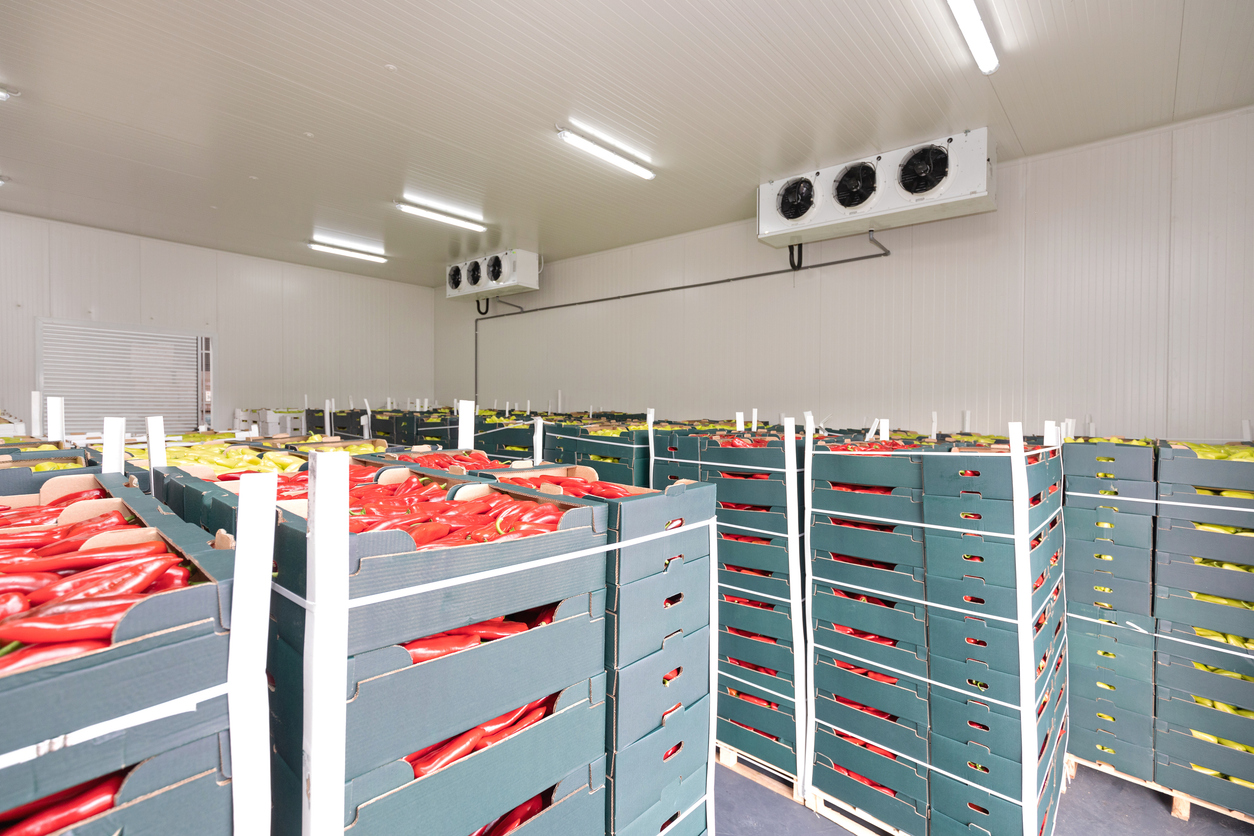
- Proper storage conditions for perishable goods
Efficient warehousing ensures that inventory is readily available when needed.
Compliance and Import Considerations
For retailers dealing with imported goods, regulatory compliance is essential. Nigeria’s import regulations can be complex, involving documentation, tariffs, and customs clearance processes.
Working with experienced partners can simplify this process. Wigmore Trading assists businesses with import compliance, helping retailers navigate customs requirements and avoid costly delays.
Strengthening Retail Growth Through Better Inventory Supply
A well-managed inventory supply system directly impacts profitability and customer satisfaction. Retailers who invest in structured sourcing, efficient logistics, and data-driven inventory management are better positioned to scale their operations.
By addressing common supply chain challenges and adopting practical solutions, retailers can reduce costs, improve product availability, and enhance overall business performance.
Conclusion
Maintaining a reliable inventory supply for retailers in Nigeria requires a combination of strategic sourcing, efficient logistics, and robust inventory management systems. Retailers who take a proactive approach to these areas can minimise disruptions and maximise growth opportunities.
Wigmore Trading can help. Contact Wigmore Trading today to streamline your sourcing.




Comments are closed.