
Reliable Inventory Supply for Restaurants in Nigeria: A Practical Guide


Running a successful restaurant in Nigeria requires more than great recipes and skilled staff. One of the most critical factors is maintaining a consistent and efficient inventory supply for restaurants in Nigeria. From sourcing quality ingredients to managing stock levels and ensuring timely delivery, inventory management directly impacts cost control, customer satisfaction, and overall profitability.
This guide explores how restaurant operators can optimise their inventory supply chains and how partners like Wigmore Trading can support efficient sourcing and distribution.
Understanding Inventory Supply for Restaurants in Nigeria
Inventory supply in the restaurant sector involves sourcing, storing, and managing food items, beverages, and operational supplies. In Nigeria, this process is often influenced by fluctuating market prices, inconsistent supply chains, and logistical challenges.
Restaurants typically require:
- Fresh produce (vegetables, fruits, meats)
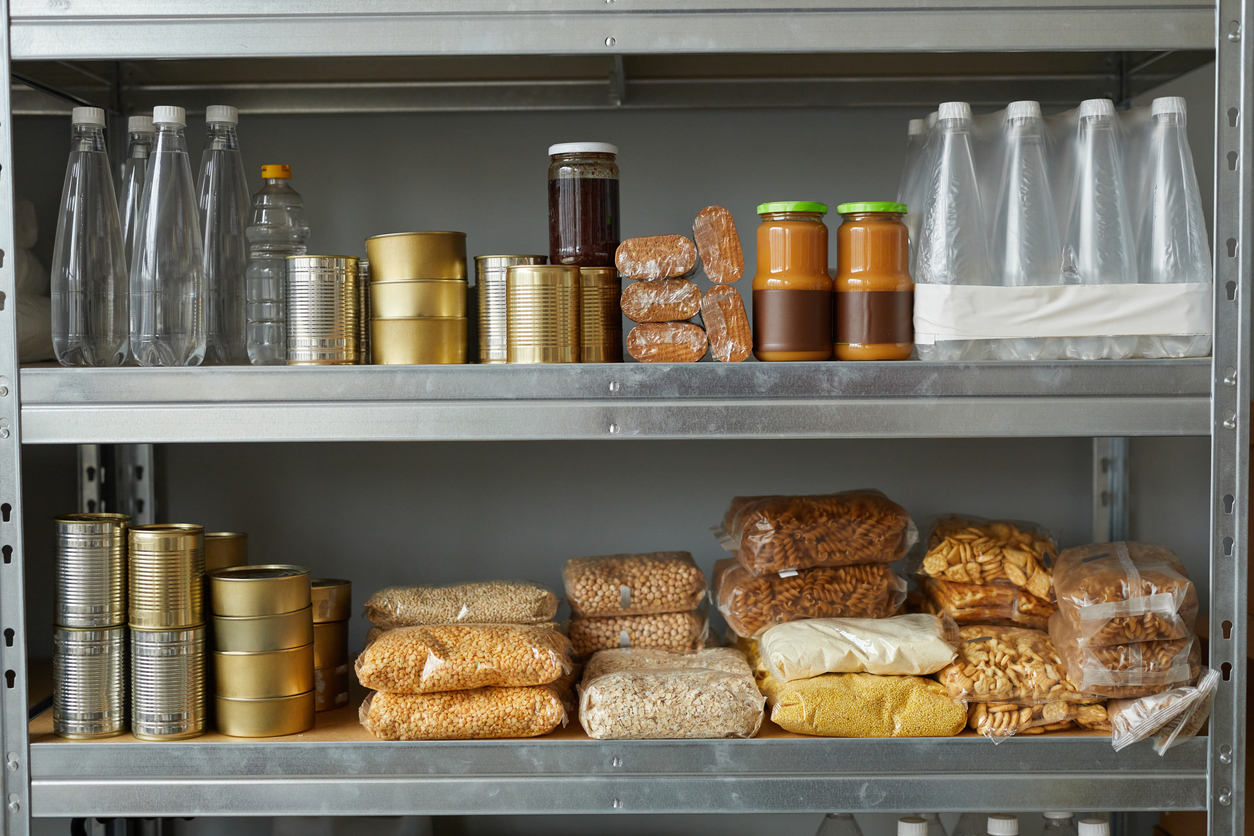
- Packaged goods (rice, flour, oils, spices)
- Beverages and consumables
- Cleaning and operational supplies
Ensuring a steady flow of these items while maintaining quality standards is essential for smooth daily operations.
Key Challenges in Restaurant Inventory Supply
1. Price Volatility and Market Fluctuations
Food prices in Nigeria can change rapidly due to inflation, seasonal availability, and currency fluctuations. This makes it difficult for restaurants to maintain stable cost structures.
2. Inconsistent Supplier Reliability
Many restaurants rely on multiple informal suppliers, which can lead to inconsistent quality, delayed deliveries, or sudden shortages.
3. Storage and Spoilage Issues
Without proper inventory planning and storage systems, perishable goods can spoil quickly, leading to waste and financial losses.
4. Logistics and Distribution Constraints
Traffic congestion, poor road infrastructure, and limited cold-chain logistics can disrupt timely deliveries, especially for fresh and frozen goods.
Strategies to Improve Inventory Supply for Restaurants in Nigeria
Build Strong Supplier Relationships
Working with reliable, professional suppliers helps ensure consistent quality and availability. Establishing long-term partnerships can also improve pricing stability and priority access to goods.
Implement Inventory Tracking Systems
Digital inventory tools allow restaurant managers to monitor stock levels in real time, forecast demand, and reduce waste. Even simple systems can significantly improve efficiency.
Centralise Procurement
Instead of sourcing from multiple vendors, consolidating procurement through a single trusted distributor can reduce complexity and improve consistency.
Plan for Demand Fluctuations
Restaurants should analyse sales trends and adjust inventory orders accordingly. This reduces overstocking and ensures key items are always available during peak periods.
Invest in Proper Storage
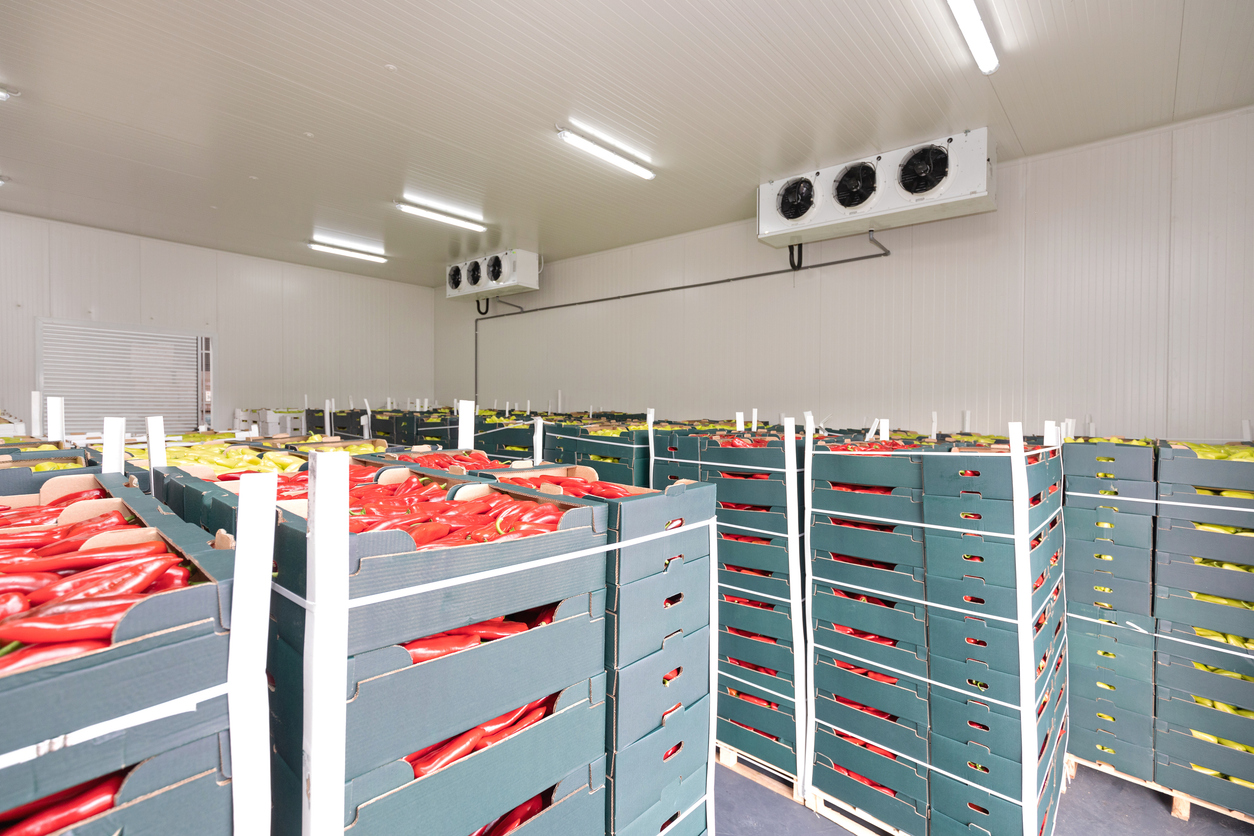
Temperature-controlled storage and proper stock rotation (FIFO – First In, First Out) help maintain product quality and reduce spoilage.
The Role of Professional Supply Partners
For many restaurants, managing inventory supply internally can be time-consuming and inefficient. This is where experienced supply chain partners play a vital role.
Companies like Wigmore Trading support restaurants by:
- Sourcing high-quality food and FMCG products locally and internationally
- Managing bulk procurement to reduce costs
- Providing reliable logistics and delivery services
- Ensuring compliance with import and food safety regulations
By outsourcing procurement and supply chain management, restaurants can focus more on operations and customer experience.
How Wigmore Trading Supports Restaurant Supply Chains
Wigmore Trading operates across sourcing, wholesale distribution, and logistics, making it a valuable partner for restaurants in Nigeria.
Their services include:
- Bulk sourcing of food products: Access to trusted manufacturers and suppliers
- Efficient distribution: Timely delivery across key regions
- Import and export expertise: Handling customs, documentation, and compliance
- Supply chain optimisation: Reducing delays and improving inventory flow
This integrated approach helps restaurants maintain a steady and cost-effective inventory supply without the risks associated with fragmented sourcing.
Future Trends in Restaurant Inventory Management
The Nigerian restaurant industry is evolving, with increasing adoption of technology and structured supply chains.
Key trends include:
- Digital inventory and procurement platforms
- Growth of organised wholesale distribution networks
- Increased demand for traceable and quality-assured products
- Expansion of cold-chain logistics for perishable goods
Restaurants that adapt to these trends will be better positioned to manage costs and maintain consistent service quality.
Conclusion
Efficient inventory supply for restaurants in Nigeria is essential for maintaining operational stability and profitability. By addressing common challenges such as unreliable suppliers, price volatility, and logistics issues, restaurant owners can build more resilient supply chains.
Partnering with experienced distributors like Wigmore Trading provides access to reliable sourcing, streamlined logistics, and professional supply chain support.
Wigmore Trading can help. Contact Wigmore Trading today to streamline your sourcing.


Comments are closed.