
Investing in Venezuela 2026: Opportunities, Risks, and Trade Insights

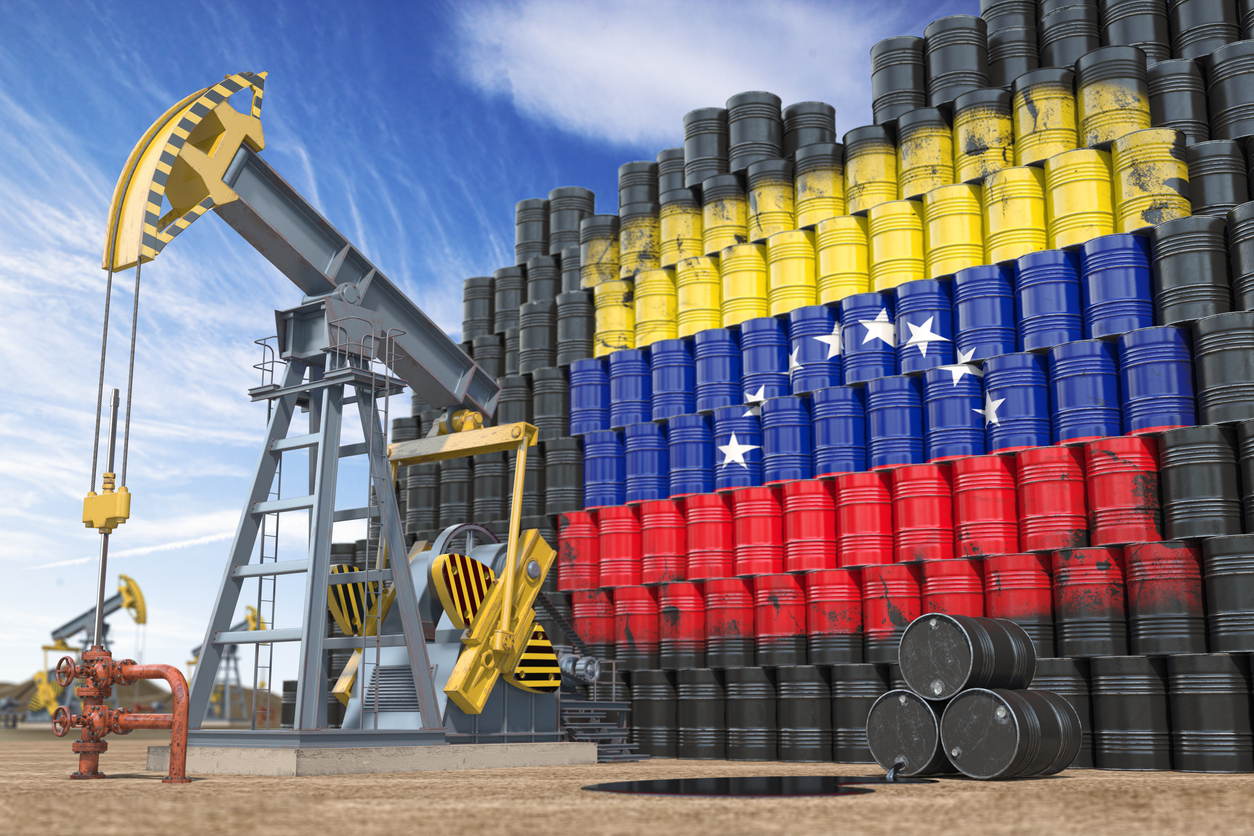
Investing in Venezuela 2026 presents a complex but potentially rewarding landscape for international businesses, traders, and investors. After years of economic instability, sanctions, and declining infrastructure, Venezuela is undergoing a gradual transition marked by regulatory reforms, renewed foreign interest, and selective market reopening. However, the environment remains volatile, requiring careful navigation—especially for companies involved in import/export, FMCG distribution, and logistics.
This article explores key opportunities, risks, and practical considerations for businesses evaluating Venezuela as a trade and investment destination.
Economic Outlook in 2026
Venezuela’s economy is showing early signs of stabilization after years of contraction. GDP growth reached approximately 8.5% in 2025, indicating a tentative recovery phase, though sustainability remains uncertain.
Recent policy shifts—including partial sanction easing and financial system adjustments—have improved liquidity and trade flows. However, macroeconomic challenges persist, including currency volatility, inflation pressures, and limited foreign exchange availability.
For investors, this means the market is reopening—but still fragile.
Key Investment Opportunities
1. Oil and Energy Sector
Venezuela holds the world’s largest proven oil reserves, making energy the most attractive sector for large-scale investment.
Recent legal reforms aim to attract private capital and allow greater operational control for foreign companies.
However, infrastructure degradation means billions of dollars in capital expenditure are required to restore production capacity.
2. FMCG and Consumer Goods Distribution
Demand for food, beverages, and essential consumer goods is rebounding rapidly due to supply shortages and population needs.
This creates strong opportunities for:
- Importers of packaged foods and staples
- Wholesale distributors
- Cold chain and logistics providers
For African exporters and global FMCG suppliers, Venezuela represents an underserved market with immediate demand.
3. Infrastructure and Logistics
Years of underinvestment have left Venezuela’s infrastructure—ports, electricity, and transport—severely degraded. This opens opportunities in:
- Port rehabilitation
- Warehousing and storage
- Freight and supply chain services
Reliable logistics partners are essential, as inefficiencies remain a major barrier to trade.
Major Risks to Consider
Political and Regulatory Uncertainty
Despite reforms, Venezuela’s political environment remains unpredictable. Investors must navigate overlapping legal frameworks, including domestic regulations and international sanctions.
Changes in leadership or policy direction could impact contracts, taxation, and repatriation of profits.
Currency and Inflation Volatility
The Venezuelan bolívar continues to experience instability, with significant depreciation and inflation pressures affecting pricing and profitability.
Businesses must structure transactions carefully, often using USD-based agreements.
Infrastructure Constraints
Poor infrastructure—especially in energy and transportation—can disrupt operations and increase costs. Rebuilding efforts are ongoing but will take years to materialise fully.
Legal and Compliance Challenges
Foreign investors must comply with both Venezuelan laws and international regulations (such as U.S. sanctions), making due diligence essential.
Trade Considerations for Importers and Exporters
For companies involved in international trade, success in Venezuela depends on operational strategy:
- Secure supply chains: Partner with experienced logistics providers to mitigate delays
- Understand import regulations: Customs processes can be complex and evolving
- Focus on essential goods: FMCG and agricultural products offer quicker returns
- Adopt flexible pricing models: Currency fluctuations require adaptive contracts
This is where experienced intermediaries become critical.
How Wigmore Trading Supports Market Entry
Entering a high-risk, high-potential market like Venezuela requires strong supply chain coordination and local expertise. Wigmore Trading supports businesses by:
- Sourcing reliable suppliers and buyers across global markets
- Managing logistics and freight forwarding to ensure timely delivery
- Ensuring compliance with international trade regulations
- Facilitating FMCG distribution and wholesale trade networks
By leveraging established trade routes and operational expertise, Wigmore Trading helps reduce risk while improving efficiency for companies expanding into emerging markets.
Practical Strategy for Investors
Businesses considering investing in Venezuela 2026 should adopt a phased approach:
- Start with low-capital trade activities (e.g., exports of essential goods)
- Build local partnerships and distribution networks
- Gradually expand into infrastructure or industrial investments
- Maintain strict compliance and risk management frameworks
This strategy allows companies to test the market while limiting exposure.
Conclusion
Investing in Venezuela 2026 offers a unique combination of opportunity and risk. While economic reforms and renewed global interest signal potential growth, challenges such as political uncertainty, infrastructure gaps, and currency instability remain significant.
For businesses in trade, FMCG, and logistics, the most immediate opportunities lie in meeting essential demand and supporting supply chain recovery. Success depends on strategic planning, strong partnerships, and operational flexibility.
Wigmore Trading can help. Contact Wigmore Trading today to streamline your sourcing.

Comments are closed.