
Iraq Pipeline Sabotage Response Contractors: How to Restore Operations Safely and Fast


Pipeline sabotage remains a serious operational risk in Iraq’s oil and gas sector. Beyond product loss and downtime, a single attack can trigger safety hazards, environmental exposure, and cascading supply chain disruptions—especially when repair parts, specialist labor, and secure transport are not immediately available.
For operators, the most effective approach is to plan for rapid restoration before an incident happens. That means understanding what Iraq pipeline sabotage response contractors do, how they integrate with security and logistics teams, and how procurement and cross-border supply can be streamlined in a high-pressure scenario.
Understanding the sabotage risk profile in Iraq
Iraq’s pipeline networks often traverse remote areas, complex terrain, and regions where security conditions can shift quickly. Sabotage can involve explosive damage, illegal tapping, valve and metering interference, or deliberate fires. Each type of incident creates a different technical and safety response requirement:
-
Mechanical damage (ruptures, dents, deformation) can require cut-and-replace repairs, composite wraps, or sleeve clamps.
-
Fires and thermal damage may necessitate heat-affected zone assessment, metallurgical checks, and longer shutdown windows.
-
Tampering and theft often trigger integrity inspections, recalibration, and security upgrades in addition to repair work.
A well-coordinated response reduces the likelihood of secondary incidents and shortens time to restart.
What Iraq pipeline sabotage response contractors typically handle
When an incident occurs, response contractors are usually expected to mobilize quickly and deliver a combination of technical, safety, and project capabilities, such as:
-
Emergency isolation and stabilization (supporting shutdown, pressure management, and safe access)
-
Damage assessment (NDT inspection, line walking, thickness testing, weld evaluation)
-
Repair execution (hot tapping support where appropriate, clamp installation, section replacement, welding, hydrotesting)
-
Environmental containment (spill control materials, temporary bunding, cleanup coordination)
-
Restart support (testing documentation, commissioning checks, integrity verification)
In practice, operators often need more than one specialized contractor—repair, inspection, EHS, and sometimes civil works—plus a clear incident command structure to keep decisions and approvals moving.
Iraq pipeline sabotage response contractors: selection criteria that matter
In an emergency, the wrong contractor choice can add risk and extend downtime. Selection should be based on measurable readiness rather than general capability.
Key criteria include:
-
Mobilization speed and local presence
Confirm realistic callout times, staging locations, and access to secure transport and permits. -
Technical scope match
Ensure experience with your pipe diameters, grades, pressure ratings, and typical failure modes. Ask for repair method statements (clamps, sleeves, composite wrap, cut-and-replace) aligned with your integrity standards. -
Safety and EHS maturity
Look for strong PTW (permit-to-work) discipline, emergency medical planning, gas testing procedures, and site-specific risk assessments. -
Quality assurance and traceability
Repairs must be auditable. Contractors should provide weld procedures, material certificates, NDT reports, pressure test packs, and as-built records. -
Security coordination capability
Sabotage response often depends on safe access. Contractors should be able to integrate with the operator’s security plan without blurring responsibilities.
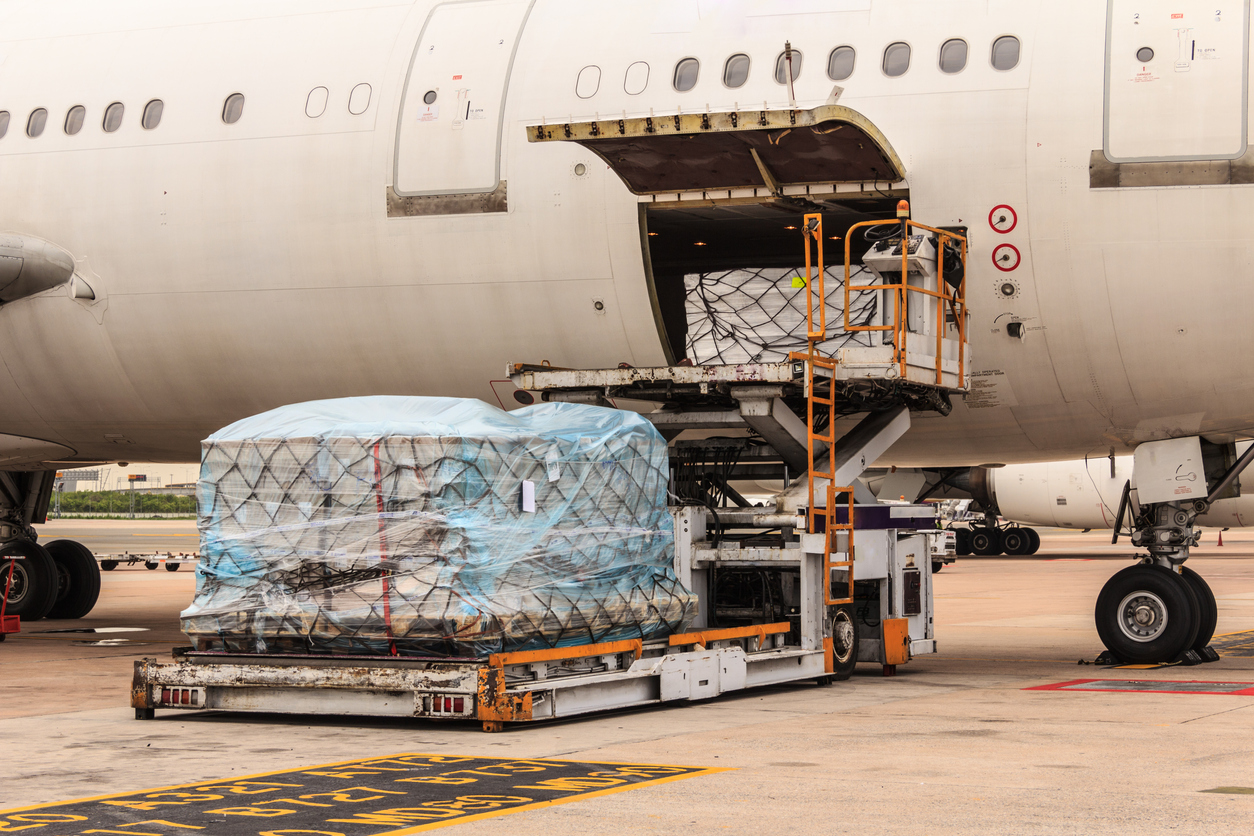
The often-overlooked bottleneck: parts, equipment, and logistics
Even the best response team can stall if critical components are missing. Typical high-urgency requirements include:
-
Line pipe sections (correct grade/spec), fittings, flanges, gaskets
-
Repair clamps, leak sealing kits, composite wrap systems
-
Welding consumables, NDT equipment, hydrotest pumps
-
Spill containment supplies and PPE
-
Valves, actuators, or metering components if sabotage involved station assets
This is where procurement and logistics planning becomes a decisive advantage. If materials are imported, timelines depend on supplier readiness, documentation accuracy, and customs clearance processes. Pre-approved vendor lists, standardized specifications, and emergency sourcing pathways help avoid costly rework (wrong dimensions, incompatible pressure classes, missing certificates).
Compliance and documentation under pressure
Iraq-bound shipments—especially for oil and gas—typically require strict documentation, correct HS classification, and consistent packing lists and certificates. During an emergency, teams may rush paperwork, which can create delays at the border or port. Practical steps include:
-
Maintaining a repair BOM template by pipeline segment (common clamps, spool pieces, gasket sets)
-
Using document checklists for certificates of origin, conformity, and QA packs where required
-
Aligning labeling/packing with site handling constraints (crane access, remote storage, weather exposure)
A disciplined compliance workflow is not bureaucracy—it’s what keeps urgent cargo moving.
Building resilience after the repair
Sabotage response should feed into prevention. After restoring flow, operators commonly invest in:
-
Integrity upgrades (additional isolation valves, remote monitoring, pressure anomaly detection)
-
Security and community engagement strategies
-
Increased patrol coverage and improved access control around critical stations
-
Hardening vulnerable sections and improving rapid isolation capability
Over time, the goal is to reduce both incident frequency and the “mean time to repair” when events do occur.
How Wigmore Trading supports sabotage response readiness
During emergency response, speed depends on dependable sourcing and controlled logistics. Wigmore Trading can support operators and response teams by helping to:
-
Source pipeline repair materials and industrial supplies (clamps, fittings, consumables, PPE) from vetted channels
-
Coordinate international and regional logistics for urgent cargo, including consolidation and secure movement planning
-
Support documentation and compliance to reduce clearance delays
-
Improve preparedness through supply chain planning, including stocking strategies for frequently needed repair items
This assistance is designed to complement technical contractors—keeping repair crews equipped, documentation clean, and delivery timelines realistic.
Conclusion
Selecting the right Iraq pipeline sabotage response contractors is only one part of restoring operations. The fastest, safest recoveries come from an integrated plan that combines technical response, security coordination, and reliable procurement and logistics. With pre-defined contractor scopes, standardized repair materials, and a disciplined compliance workflow, operators can reduce downtime and limit operational risk.
Wigmore Trading can help. Contact Wigmore Trading today to streamline your sourcing and emergency logistics.





Comments are closed.