
Jordan Water Infrastructure Resilience Funding: How Projects Get Financed and Delivered

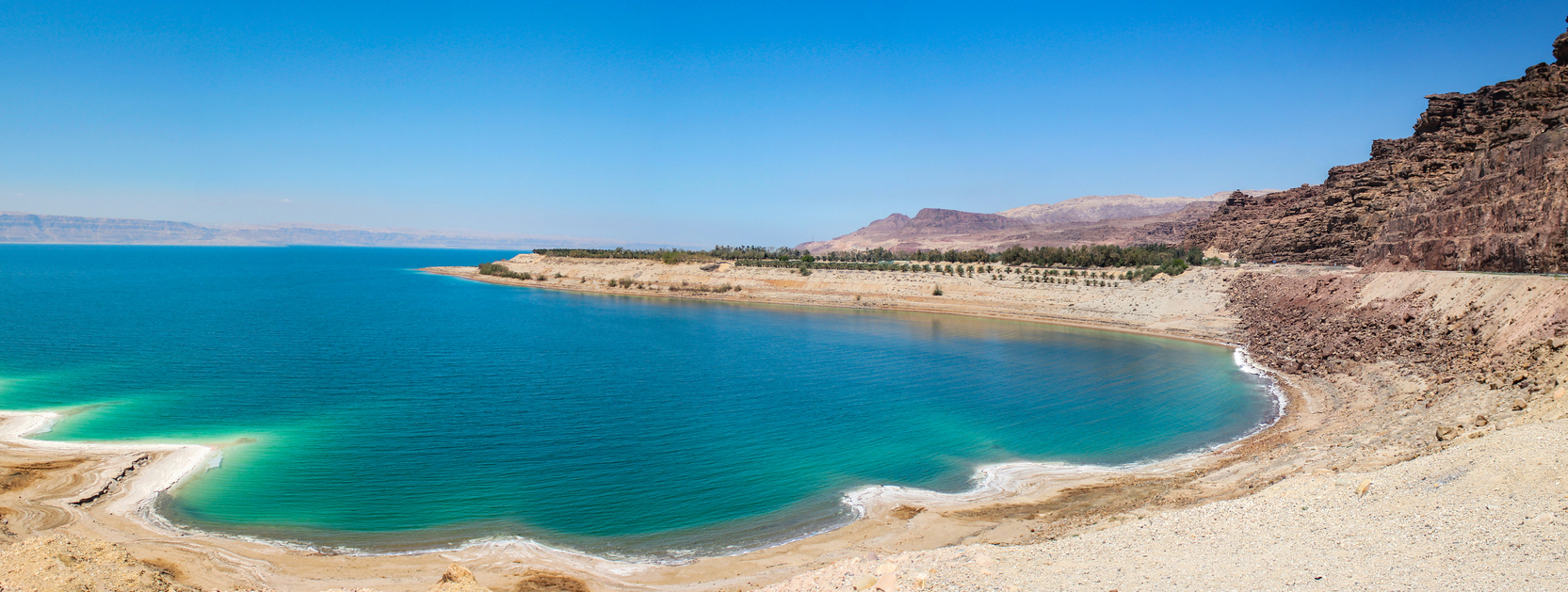
Jordan is one of the world’s most water-scarce countries, and its water systems operate under constant pressure—from rising demand, aging networks, energy costs, and climate variability. In this context, “resilience” is not a buzzword. It means infrastructure that can keep supplying safe water and maintaining sanitation services despite drought, heatwaves, floods, supply disruptions, and financial constraints.
For project owners, utilities, EPC contractors, and suppliers, the practical question is how Jordan water infrastructure resilience funding is structured—and what it takes to move from a concept note to a delivered project with reliable materials, compliant procurement, and stable logistics.
Why Jordan’s Water Infrastructure Needs Resilience
Jordan’s water challenges are shaped by several long-running realities:
-
Limited renewable water resources and high variability in rainfall
-
High system losses (non-revenue water) in portions of the network due to leaks, illegal connections, and metering gaps
-
Energy-intensive water supply, especially where pumping and treatment require significant power
-
Increasing demand from population growth, urbanization, and industrial needs
-
Operational risk from supply-chain shocks and maintenance backlogs
Resilience investments typically focus on measurable outcomes: reducing losses, strengthening service continuity, improving water quality, increasing reuse, and ensuring assets can be operated and maintained over their full lifecycle.
What “Resilience Funding” Usually Pays For
Resilience programs generally prioritize projects that improve performance under stress and reduce long-term risk. In Jordan, common investment areas include:
-
Leak detection and pipe rehabilitation (especially in high-loss zones)
-
Pressure management, district metered areas (DMAs), and smart metering
-
Pump station upgrades and energy efficiency (motors, VFDs, control systems)
-
Treatment plant reliability (redundancy, spares strategy, chemical dosing systems)
-
Wastewater treatment and reuse for agriculture and industry
-
Flood protection and climate-proofing of critical assets
-
Digital monitoring (SCADA/telemetry) to improve response times and asset management
This matters for financing because funders and lenders often require a clear link between spending and resilience outcomes such as reduced losses, improved water quality compliance, or lower energy cost per cubic meter.
The Funding Landscape in Jordan
Public budgets and utility investment plans
National funding and utility CAPEX plans remain important, but budgets are often stretched. This encourages prioritization: projects with strong cost-benefit cases (like loss reduction and energy efficiency) tend to rise to the top.
Development finance and donor programs
Many large resilience initiatives are supported through development finance institutions (DFIs) and donor-backed facilities. These funding sources usually come with strict requirements around procurement, environmental and social safeguards, reporting, and quality assurance.
Public-private partnerships and performance-based models
Where appropriate, PPP structures or performance-based contracts can help accelerate delivery—especially for network management, metering programs, and efficiency upgrades. These models typically require well-defined KPIs and credible baseline data.
Blended finance and climate adaptation funds
Resilience projects can qualify for adaptation-oriented funding when they demonstrate climate risk reduction and strong monitoring frameworks. Blended finance can lower overall financing costs when grants or concessional components complement commercial borrowing.
Making a Project “Fundable”: What Stakeholders Must Prepare
Even good engineering concepts can struggle to secure funding if they aren’t packaged into a bankable plan. Typical requirements include:
-
A clear problem statement tied to service outcomes (losses, continuity, water quality)
-
Technical design maturity with credible cost estimates and implementation schedules
-
Lifecycle planning, including operations, maintenance, and spare parts strategy
-
Procurement readiness, aligned with funder rules and local regulations
-
Environmental and social compliance documentation where required
-
Supply-chain and delivery risk planning (lead times, alternatives, and contingencies)
This is where many projects either speed up—or stall. Procurement delays and missing technical documentation can create cost escalation that undermines the original business case.
The Practical Delivery Challenge: Procurement, Logistics, and Quality
Funding approval is only part of the resilience equation. Implementation depends on the steady, compliant flow of materials and equipment. Water projects are particularly sensitive to:
-
Long lead times for valves, ductile iron/HDPE fittings, meters, pumps, membranes, and control components
-
Technical standards and certifications (especially for potable water contact materials)
-
Documentation (test certificates, manuals, country-of-origin requirements, HS codes)
-
Inland transport planning from ports to project sites, plus secure storage and phased delivery
-
Spare parts continuity, to avoid downtime after commissioning
How Wigmore Trading can support execution
Wigmore Trading supports infrastructure-oriented supply chains by helping project teams source and move critical inputs efficiently and compliantly. This can include:
-
Sourcing support for project-critical goods (industrial equipment, components, consumables) through diversified supplier networks
-
Import coordination and documentation to reduce clearance delays and ensure traceability
-
Logistics planning for phased deliveries, warehousing, and distribution to contractors and sites
-
Supply continuity strategies, identifying alternates when a single-source item becomes a schedule risk
-
Quality and specification alignment, helping teams match technical requirements before shipment
This is particularly valuable when resilience projects must meet tight timelines, donor procurement rules, and strict quality expectations—while navigating fluctuating global lead times.
Key Takeaways for Jordan Water Infrastructure Stakeholders
Resilience funding is increasingly tied to outcomes: lower losses, stronger continuity, better quality compliance, and improved efficiency. Winning projects tend to be those that are not only technically sound, but also procurement-ready and supply-chain resilient. By planning early for standards, lead times, documentation, and spares, implementers reduce the risk of cost overruns and schedule slippage—making funding go further.
Wigmore Trading can help. Contact Wigmore Trading today to streamline your sourcing and logistics for water infrastructure projects.




Comments are closed.