
Lagos Manufacturing Investment Opportunities: A Strategic Guide for Investors

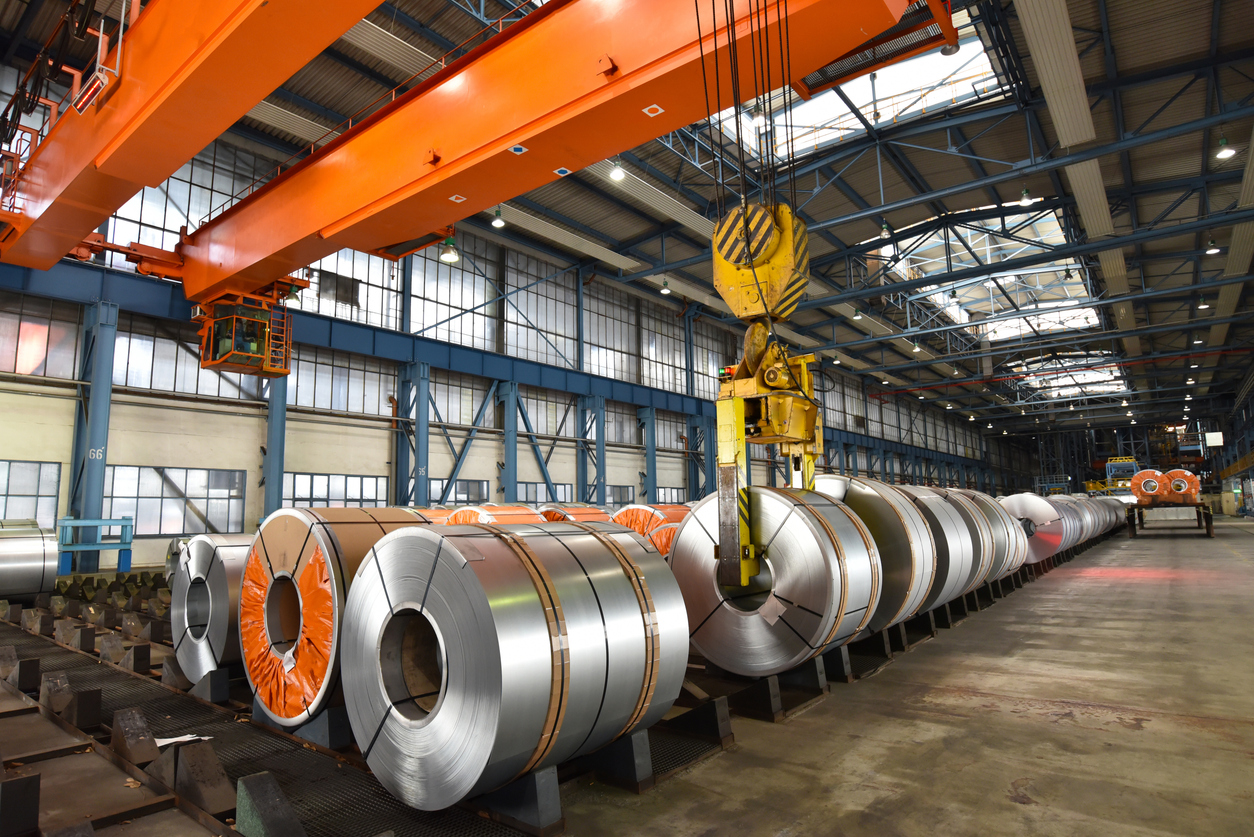
Lagos has rapidly emerged as one of Africa’s most dynamic industrial hubs, offering a wide range of manufacturing investment opportunities. As Nigeria’s commercial capital, the city combines a large consumer market, expanding infrastructure, and increasing government support for local production. For investors seeking entry into African manufacturing, Lagos presents both scale and strategic positioning.
Why Lagos Is a Manufacturing Hotspot
Lagos accounts for a significant share of Nigeria’s industrial output. Its proximity to major ports, including Apapa and Tin Can Island, facilitates the import of raw materials and the export of finished goods. This logistical advantage reduces supply chain bottlenecks and enhances operational efficiency.
Additionally, Lagos benefits from a population exceeding 20 million people, providing both a vast labor force and a strong consumer base. This dual advantage supports demand-driven manufacturing, particularly in fast-moving consumer goods (FMCG), packaging, and construction materials.
Government policies aimed at import substitution have further strengthened the case for local manufacturing. Incentives such as tax reliefs, special economic zones, and improved access to industrial land are encouraging both local and foreign investment.
Key Sectors Driving Manufacturing Growth
FMCG and Food Processing
Nigeria’s growing middle class continues to drive demand for packaged food, beverages, and household goods. Local production reduces reliance on imports and helps companies respond faster to market needs. Food processing, in particular, offers strong margins due to abundant agricultural inputs across the country.
Building Materials
Urbanisation in Lagos is accelerating demand for cement, steel, paints, and finishing materials. Investors in this sector benefit from consistent demand tied to infrastructure and real estate development projects.
Packaging and Plastics
With the expansion of FMCG production comes the need for packaging solutions. Plastic manufacturing, flexible packaging, and recycling initiatives are gaining traction, especially as sustainability becomes a growing concern.
Pharmaceuticals and Healthcare Products
There is increasing demand for locally produced pharmaceuticals and medical supplies. Government support for healthcare manufacturing is opening new opportunities for investors with technical expertise.
Challenges Investors Should Consider
Despite its advantages, manufacturing in Lagos comes with operational challenges that require careful planning.
Infrastructure Constraints: Power supply inconsistencies and transport congestion can impact production timelines and costs. Many manufacturers invest in alternative energy solutions to maintain reliability.
Regulatory Compliance: Navigating import regulations, customs procedures, and local standards can be complex, particularly for new entrants.
Supply Chain Inefficiencies: Sourcing raw materials and ensuring timely distribution across Nigeria and West Africa requires strong logistics coordination.
Practical Solutions for Market Entry
To succeed in Lagos, investors must adopt a structured approach to supply chain management and local partnerships.
Working with an experienced trading and logistics partner can significantly reduce entry barriers. Companies like Wigmore Trading support businesses with sourcing high-quality raw materials, managing import processes, and ensuring compliance with Nigerian regulations. This helps investors focus on production while minimising operational risks.
In addition, leveraging local distribution networks is essential for scaling. Efficient warehousing, transport coordination, and last-mile delivery solutions can improve market penetration and reduce costs.
The Role of Strategic Partnerships
Establishing reliable partnerships is critical in Lagos’s manufacturing ecosystem. From sourcing inputs to distributing finished goods, collaboration enhances efficiency and reduces uncertainty.
Wigmore Trading plays a key role in supporting manufacturers by providing end-to-end solutions across procurement, logistics, and distribution. Their experience in African trade enables businesses to navigate complex supply chains while maintaining consistent quality and compliance.
Conclusion
Lagos manufacturing investment opportunities continue to expand across multiple sectors, driven by strong demand, policy support, and strategic location advantages. While challenges exist, they can be effectively managed through careful planning and the right partnerships.
For investors looking to enter or expand within Nigeria’s manufacturing sector, Lagos offers a compelling mix of scale, growth potential, and regional access.
Wigmore Trading can help. Contact Wigmore Trading today to streamline your sourcing.






Comments are closed.