
Leading Phosphate Rock Exporters in Non-Middle East Regions for Importers

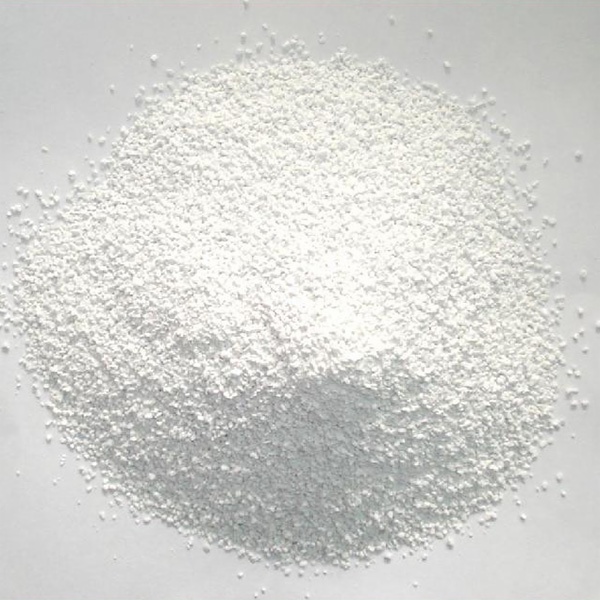
Phosphate rock is a critical raw material used in the production of phosphate fertilizers, animal feed supplements, and industrial chemicals. While the Middle East is widely recognized as a major supplier, many countries outside the region play a significant role in the global phosphate trade. Understanding phosphate rock exporters in non-Middle East regions is important for businesses seeking reliable sourcing options and diversified supply chains.
For importers, distributors, and fertilizer manufacturers, identifying alternative suppliers can help reduce geopolitical risk, improve price stability, and strengthen long-term procurement strategies.
Understanding the Role of Phosphate Rock Exporters in Non-Middle East Markets
Phosphate rock is primarily processed into phosphoric acid and phosphate fertilizers such as DAP (Diammonium Phosphate) and MAP (Monoammonium Phosphate). Global agriculture depends heavily on these products to maintain soil fertility and crop productivity.
While Middle Eastern producers—particularly Jordan and Saudi Arabia—are significant exporters, several phosphate rock exporters in non-Middle East regions supply large volumes to global markets. These exporters provide essential diversification for buyers looking to secure consistent supply from multiple sources.
Importers across Africa, Europe, Asia, and Latin America often work with global trading partners and logistics providers to access these phosphate sources efficiently.
Major Phosphate Rock Exporters in Non-Middle East Regions
Several countries outside the Middle East dominate phosphate rock production and exports. These producers supply global fertilizer manufacturers and industrial chemical companies.
Morocco
Morocco holds the world’s largest phosphate reserves and remains one of the most influential phosphate exporters globally. The state-owned OCP Group manages extensive mining operations and exports processed phosphate products as well as raw phosphate rock.
Moroccan phosphate is widely shipped to Europe, India, Brazil, and parts of Africa.
China
China is both a major producer and consumer of phosphate rock. Although much of its production is used domestically, China exports certain phosphate products and processed fertilizers to international markets.
Chinese phosphate exports are often integrated into global fertilizer supply chains.
Russia
Russia has significant phosphate reserves and exports both phosphate rock and processed fertilizers. Russian suppliers have historically played an important role in global fertilizer markets, particularly for European and Asian buyers.
Tunisia
Tunisia is another important North African exporter. The country’s phosphate industry has long supplied European fertilizer manufacturers, although production levels can fluctuate due to domestic economic factors.
Peru
Peru has emerged as a key phosphate exporter in Latin America, particularly through the Bayóvar mine. The high-quality sedimentary phosphate rock extracted there is widely used in fertilizer production.
South Africa
South Africa produces phosphate rock for both domestic use and export markets. Its mining sector contributes to regional fertilizer production and agricultural supply chains across Africa.
These countries represent some of the most prominent phosphate rock exporters in non-Middle East regions, offering buyers multiple sourcing options.
Why Buyers Seek Phosphate Rock Exporters Outside the Middle East
Diversifying sourcing beyond a single region is a common strategy for companies operating in fertilizer production, chemical manufacturing, and agricultural supply chains.
Key reasons importers seek phosphate rock exporters in non-Middle East markets include:
Supply security
Geopolitical risks, export restrictions, or shipping disruptions can affect supply availability from any region. Diversifying sources helps mitigate these risks.
Price stability
Access to multiple suppliers allows buyers to negotiate better pricing and maintain stable procurement costs.
Logistics efficiency
Depending on the destination market, sourcing from different regions can reduce transportation time and freight costs.
Product quality variation
Different phosphate deposits vary in chemical composition and concentration. Buyers often source from multiple exporters to meet specific manufacturing requirements.
Logistics and Supply Chain Considerations for Phosphate Rock Imports
Phosphate rock is typically shipped in bulk through large maritime cargo vessels. Efficient logistics planning is essential for businesses importing this commodity.
Key considerations include:
Port infrastructure
Bulk terminals capable of handling mineral cargo are required for unloading and storage.
Transportation
Phosphate rock must often be transported from ports to fertilizer plants or processing facilities via rail or trucking networks.
Quality control
Consistent testing is necessary to ensure phosphate concentration meets manufacturing specifications.
Regulatory compliance
Importers must follow customs regulations, mineral trade requirements, and environmental standards depending on the destination country.
Managing these logistics effectively often requires coordination between suppliers, freight operators, and commodity trading partners.
How Wigmore Trading Supports Phosphate Rock Sourcing and Distribution
For companies sourcing raw materials internationally, working with experienced trading partners can simplify procurement and logistics management.
Wigmore Trading works with global suppliers and industrial buyers to facilitate commodity sourcing, including minerals and agricultural inputs. Through established supplier networks and logistics expertise, the company supports businesses seeking reliable access to phosphate rock exporters in non-Middle East regions.
Services may include supplier identification, bulk commodity sourcing, freight coordination, import documentation, and distribution planning. These capabilities can help fertilizer manufacturers, wholesalers, and industrial buyers streamline their supply chains and maintain consistent raw material availability.
Conclusion
Global fertilizer production depends heavily on reliable phosphate rock supplies. While Middle Eastern producers remain important, many phosphate rock exporters in non-Middle East regions play a crucial role in meeting global demand.
Countries such as Morocco, China, Russia, Tunisia, Peru, and South Africa offer diverse supply options that help importers reduce sourcing risk and maintain stable production. Businesses involved in agriculture, chemicals, and fertilizer manufacturing benefit from building procurement strategies that include these global exporters.
Navigating international mineral sourcing can be complex, particularly when managing logistics, compliance, and supplier relationships across multiple regions.
Wigmore Trading can help. Contact Wigmore Trading today to streamline your sourcing.


Comments are closed.