
Light Manufacturing Opportunities in Nigeria: A Growing Sector for Investors and Businesses


Introduction
Nigeria’s industrial sector continues to evolve as businesses seek ways to reduce import dependency and strengthen local production. One area gaining significant attention is light manufacturing, which focuses on producing goods with relatively low capital investment, simpler technology, and faster production cycles.
From packaging materials to consumer goods, light manufacturing opportunities in Nigeria are expanding due to population growth, increasing urbanization, and rising demand for locally produced products. For entrepreneurs, investors, and distributors, this sector offers a practical entry point into manufacturing while supporting the country’s broader economic development goals.
What is Light Manufacturing?
Light manufacturing involves the production of smaller consumer goods and components that typically require less heavy machinery and lower energy consumption compared to heavy manufacturing.
Examples include:
-
Food processing and packaging
-
Household consumer products
-
Plastics and packaging materials
-
Textiles and apparel
-
Furniture production
-
Personal care products
-
Small electronics assembly
Because these industries often require smaller facilities and shorter production cycles, they present attractive opportunities for businesses looking to establish or expand manufacturing operations in Nigeria.
Why Nigeria is Attractive for Light Manufacturing
Nigeria offers several advantages that make it suitable for light manufacturing growth.
1. Large Consumer Market
With over 200 million people, Nigeria represents one of Africa’s largest consumer markets. Demand for packaged food, household products, and consumer goods continues to rise, creating strong opportunities for local manufacturers.
Businesses that produce locally can often respond faster to market demand compared to importers dealing with shipping delays or supply chain disruptions.
2. Government Support for Local Production
The Nigerian government has introduced policies designed to encourage domestic manufacturing and reduce reliance on imports. These include:
-
Import substitution programs
-
Tariffs on certain imported goods
-
Incentives for local production in sectors such as agriculture, FMCG, and packaging
These policies create favorable conditions for businesses exploring light manufacturing opportunities in Nigeria.
3. Growing Distribution Networks
Nigeria’s wholesale and retail distribution networks continue to expand across urban and semi-urban areas. Supermarkets, open markets, and regional distributors create strong channels for locally manufactured goods.
Companies that combine manufacturing with effective distribution strategies are better positioned to capture market share.
Key Light Manufacturing Opportunities in Nigeria
Several sectors currently show strong potential for investment and growth.
Food Processing and Packaging
Nigeria produces large volumes of agricultural products such as cassava, rice, maize, and tomatoes. Processing these raw materials into packaged food products offers significant value-added opportunities.
Examples include:
-
Flour and starch products
-
Packaged snacks and beverages
-
Tomato paste and sauces
-
Processed grains and cereals
Food processing reduces waste, improves shelf life, and increases export potential.
Plastic and Packaging Production
Packaging demand continues to grow across FMCG, agriculture, pharmaceuticals, and retail sectors.
Light manufacturing opportunities in this area include:
-
Plastic containers and bottles
-
Flexible packaging materials
-
Food-grade packaging products
-
Industrial packaging solutions
Local packaging production also helps reduce costs for Nigerian manufacturers that would otherwise rely on imported materials.
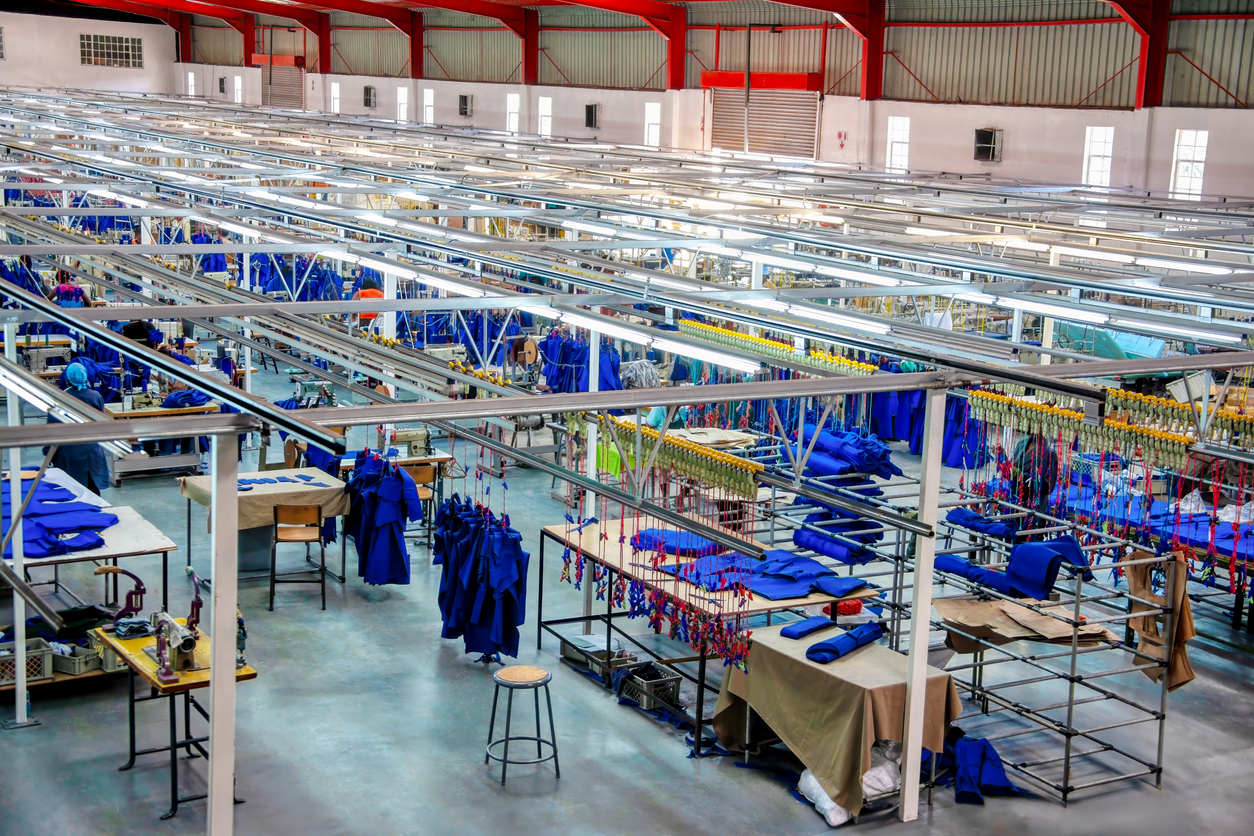
Textiles and Garment Production
Nigeria has a long history in textile production, and there is renewed interest in rebuilding the sector.
Opportunities include:
-
Garment manufacturing
-
School uniforms and workwear
-
Local fashion production
-
Fabric finishing and printing
With the right supply chain support, textile manufacturing can serve both domestic and regional markets.
Household Consumer Products
Products such as detergents, cleaning agents, candles, and basic household items remain in constant demand across Nigerian households.
These products typically require moderate capital investment and can scale quickly with effective distribution.
Supply Chain and Logistics Challenges
Despite its strong potential, businesses entering light manufacturing in Nigeria may face operational challenges.
Common issues include:
-
Sourcing consistent raw materials
-
Importing machinery or specialized inputs
-
Managing logistics and distribution across regions
-
Ensuring regulatory compliance for certain product categories
Successfully navigating these challenges often requires strong partnerships and supply chain expertise.
The Role of Strategic Supply Chain Partners
For businesses entering the Nigerian manufacturing space, working with experienced sourcing and logistics partners can significantly improve efficiency.
Companies like Wigmore Trading support manufacturers by assisting with:
-
Raw material sourcing
-
Import and export logistics
-
Supply chain coordination
-
Distribution across Nigerian markets
By providing reliable sourcing and distribution solutions, strategic partners help manufacturers focus on production and market growth.
Conclusion
Light manufacturing opportunities in Nigeria continue to expand as demand for locally produced goods increases. With a large consumer base, supportive policies, and growing distribution networks, the sector offers attractive prospects for entrepreneurs and investors.
Businesses that combine efficient production with strong sourcing, logistics, and distribution strategies are well positioned to succeed in this evolving market.
Wigmore Trading can help businesses streamline sourcing, logistics, and distribution across Nigeria’s manufacturing supply chain. Contact Wigmore Trading today to streamline your sourcing.





Comments are closed.