
Lithium Hydroxide Non Middle East Suppliers: A Practical Sourcing Guide for Importers

Lithium hydroxide (LiOH) has become a critical industrial input—especially for battery supply chains, specialty chemicals, and downstream manufacturers serving electric mobility and energy storage markets. For importers and distributors, supplier selection is not only about price; it also involves consistent quality, compliance documentation, export capacity, and reliable logistics.
This guide explains how to evaluate lithium hydroxide non Middle East suppliers, what specifications matter most, and how to reduce risk from sourcing to delivery.
Why importers look for lithium hydroxide non Middle East suppliers
Companies may prefer lithium hydroxide non Middle East suppliers for several practical reasons:
-
Diversification and risk management: Reducing exposure to single-region disruptions, shipping constraints, or policy changes.
-
Qualification requirements: Some buyers require approved origins, specific certifications, or proven export track records.
-
Logistics routing: Certain trade lanes, port networks, and transit times may be more predictable depending on origin.
-
Commercial flexibility: Buyers often compare multiple origins to balance lead time, cost, and supply continuity.
The best approach is to build an origin-diverse sourcing strategy, aligned with your end-use requirements and customer expectations.
Common origins for lithium hydroxide non Middle East suppliers
When sourcing from lithium hydroxide non Middle East suppliers, importers commonly assess supply from:
-
Asia-Pacific production and conversion hubs (where lithium chemicals may be refined and processed at scale)
-
Australia-linked value chains (often connected to hard-rock lithium inputs and conversion capacity)
-
North and South American supply networks (including producers and toll processors serving industrial customers)
-
European and East Asian specialty chemical channels (often focused on consistent packaging, documentation, and quality systems)
Rather than choosing a country first, start with your specification—battery-grade vs industrial-grade—and then shortlist suppliers that can meet it with verifiable documentation and stable capacity.
Key specs to confirm with lithium hydroxide non Middle East suppliers
Lithium hydroxide is not a “one size fits all” commodity. For importers, specification clarity prevents rejected loads, customer complaints, and costly rework.
When engaging lithium hydroxide non Middle East suppliers, confirm:
-
Grade: Battery-grade vs technical/industrial grade
-
Form: Monohydrate (LiOH·H₂O) vs anhydrous LiOH
-
Assay/purity: Target purity ranges and acceptable tolerances
-
Impurity limits: Especially sodium, calcium, magnesium, iron, sulfate, chloride, and heavy metals (limits vary by application)
-
Particle size and flow: Important for handling and downstream processing
-
Moisture sensitivity and storage requirements: Lithium hydroxide can react with CO₂ and moisture, affecting quality over time
-
Packaging format: Typically lined bags, drums, or big bags—must match your warehouse and last-mile distribution needs
Request a recent Certificate of Analysis (CoA) and align it with your internal acceptance criteria. For higher-risk applications (such as battery supply), many buyers also require pre-shipment sampling and third-party inspection.
Compliance and documentation for lithium hydroxide imports
Import clearance is rarely the biggest challenge—document quality is.
For smooth importing from lithium hydroxide non Middle East suppliers, build a standard document pack:
-
Commercial invoice and packing list (matched to packaging units and net weights)
-
CoA per batch/lot
-
Safety Data Sheet (SDS) with correct classification and handling guidance
-
Certificate of Origin (when required by customs or customer contracts)
-
Any applicable test reports or conformity documents requested by your market
-
Clear labeling details (product name, net weight, batch number, manufacturer/exporter)
Because lithium hydroxide is an industrial chemical, packaging integrity, labeling, and correct hazard handling procedures are essential for safe transport and warehouse management.
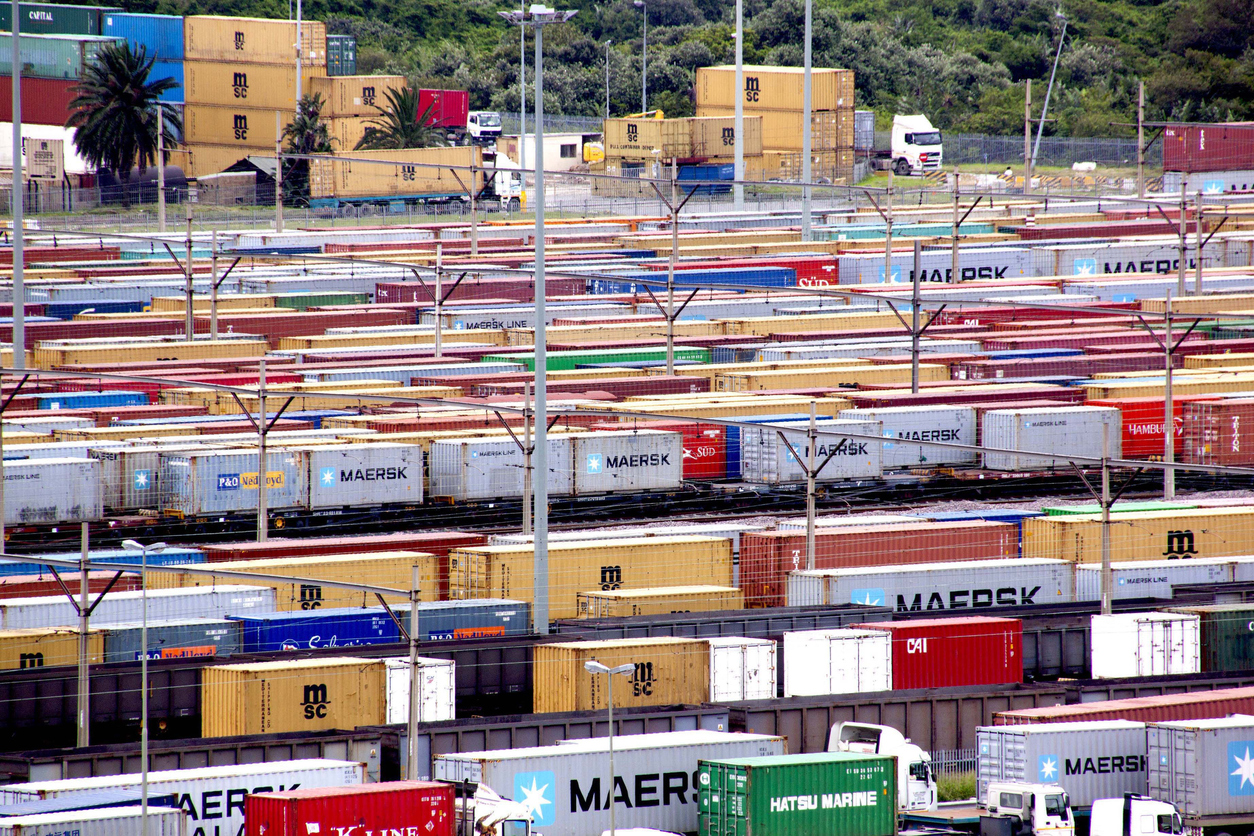
Logistics realities when buying lithium hydroxide non Middle East suppliers
Even strong suppliers can underperform if logistics planning is weak.
Consider these practical points:
-
Moisture control: Use appropriate liners, sealed packaging, and weather-protected handling.
-
Transit time vs shelf life: Longer voyages increase the need for robust packaging and storage planning.
-
Port and inland routing: Choose lanes that support reliable container availability and reduced dwell time.
-
Inspection and claims process: Define how damages, short shipments, or spec deviations will be handled before shipping.
This is where a structured procurement partner can reduce risk—by coordinating supplier documentation, inspections, packing standards, and shipping milestones.
How Wigmore Trading supports lithium hydroxide non Middle East suppliers sourcing
When importers expand to lithium hydroxide non Middle East suppliers, the biggest risks typically sit between the purchase order and final delivery: unclear specs, inconsistent documentation, and preventable logistics failures.
Wigmore Trading can support buyers by:
-
Supplier identification and vetting: Shortlisting suppliers that match your grade, purity, packaging, and export capabilities
-
Specification alignment: Ensuring CoA parameters match your application requirements before shipment
-
Inspection and quality checks: Coordinating pre-shipment sampling or third-party verification where needed
-
End-to-end logistics coordination: Managing shipment planning, documentation readiness, and routing for African and international trade lanes
-
Import support and operational readiness: Helping align paperwork, labeling, and packaging to reduce clearance delays and warehouse issues
This approach is particularly useful for distributors, FMCG-adjacent industrial channels, and manufacturers that need predictable supply without building a large in-house sourcing team.
Conclusion: choosing lithium hydroxide non Middle East suppliers with confidence
Reliable sourcing from lithium hydroxide non Middle East suppliers depends on disciplined supplier evaluation, clear specifications, and logistics planning that protects product quality through transit. By standardizing your documentation pack, confirming impurity limits and packaging requirements, and using inspections for higher-risk loads, importers can reduce delays and improve customer satisfaction.
Wigmore Trading can help. Contact Wigmore Trading today to streamline your sourcing.





Comments are closed.