
Livestock Feed Alternative Sourcing Strategies for Sustainable Agribusiness

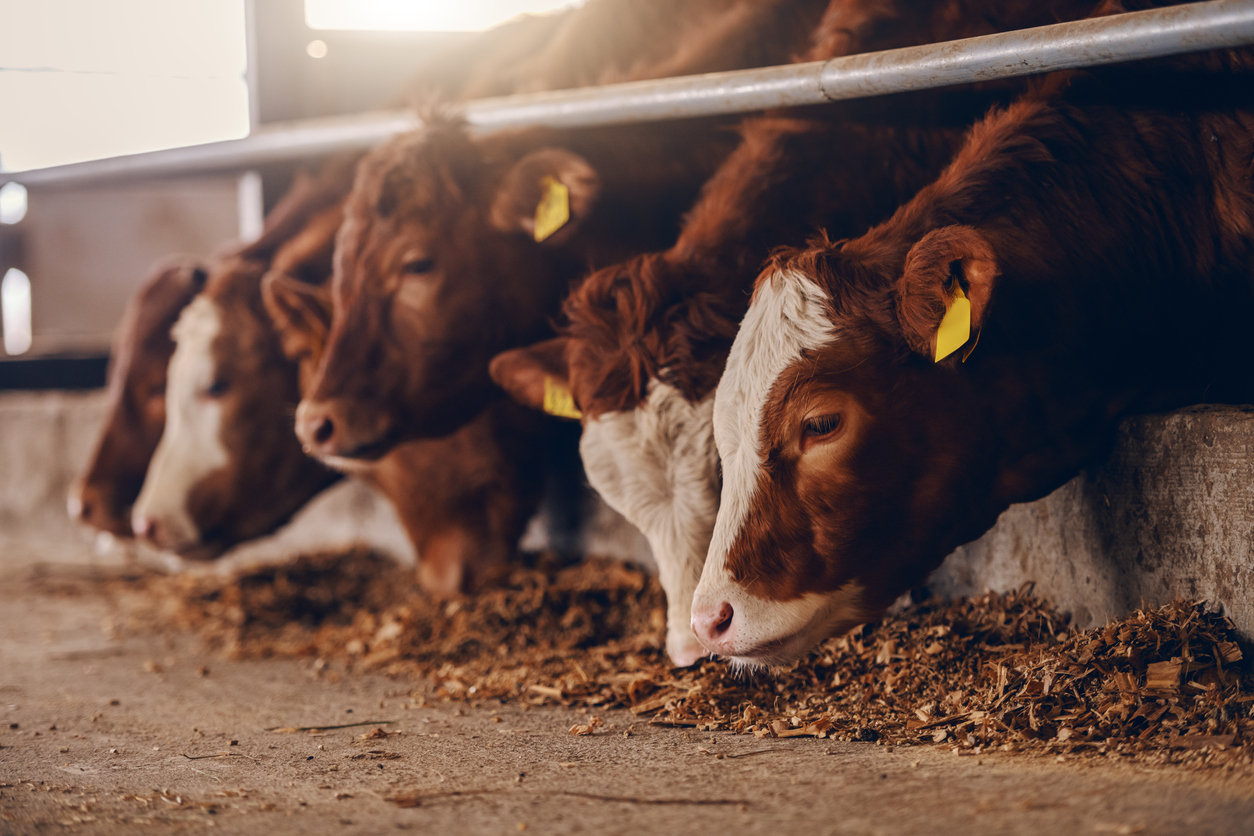
Feed accounts for the largest operating cost in livestock production. Across many markets, including Africa, producers face increasing pressure from fluctuating grain prices, climate variability, and supply chain disruptions. These challenges have made livestock feed alternative sourcing an important strategy for maintaining productivity and controlling costs.
Alternative feed sourcing involves identifying and securing non-traditional or underutilized feed ingredients that can partially replace conventional inputs such as maize and soybean meal. When managed properly, this approach can improve feed availability, stabilize pricing, and reduce dependency on volatile global commodity markets.
For livestock producers, feed manufacturers, and agricultural distributors, understanding how to identify and integrate alternative feed sources is essential for building a resilient supply chain.
Why Livestock Feed Alternative Sourcing Is Becoming Essential
The global livestock industry relies heavily on a small number of feed commodities. Maize, soybean meal, and wheat dominate livestock diets, making producers vulnerable to price spikes and shortages.
Several factors are driving the need for livestock feed alternative sourcing:
Climate variability and crop failures
Droughts and extreme weather events frequently affect grain production. Reduced harvests quickly translate into higher feed costs for livestock farmers.
Competition with human food supply
Many conventional feed ingredients are also staple foods. As populations grow, demand for these crops increases, tightening supply for the feed sector.
Rising transportation and logistics costs
International feed ingredient markets depend heavily on shipping and logistics networks. Disruptions can delay shipments and increase costs.
Regional feed shortages
In developing markets, inconsistent access to imported feed ingredients often forces producers to seek locally available alternatives.
Exploring alternative feed sources allows livestock producers to diversify supply and maintain production stability.
Common Alternative Ingredients Used in Livestock Feed
Successful livestock feed alternative sourcing depends on identifying ingredients that offer sufficient nutritional value while remaining cost-effective and widely available.
Some commonly used alternatives include:
Agricultural by-products
Crop residues and processing by-products are widely used in livestock feed formulations. Examples include rice bran, wheat bran, cassava peels, palm kernel cake, and brewer’s grains.
These materials are often locally available and can provide valuable fiber, protein, or energy components when properly processed.
Oilseed cakes and meals
Alternative oilseed products such as sunflower meal, cottonseed meal, and groundnut cake can partially replace soybean meal in certain livestock diets.
These ingredients are particularly useful in regions with strong oilseed processing industries.
Root and tuber crops
Cassava, sweet potato, and yam processing residues can serve as energy sources in livestock feed when properly dried and processed.
These ingredients are common in tropical agricultural systems and can help reduce dependence on maize.
Food processing residues
Waste streams from food processing industries—such as fruit pulp, molasses, and distillers’ grains—can contribute valuable nutrients to livestock diets.
Using these materials also supports waste reduction and circular agriculture initiatives.
Nutritional Considerations in Livestock Feed Alternative Sourcing
While alternative ingredients can help reduce feed costs, they must be carefully evaluated to ensure that animal nutrition is not compromised.
Key considerations include:
Protein and energy balance
Alternative feed ingredients may have different nutrient profiles compared to conventional feeds. Proper formulation is essential to maintain balanced diets.
Digestibility and fiber content
Some alternative feeds contain higher levels of fiber or anti-nutritional compounds that can affect digestibility.
Consistency of supply and quality
Agricultural by-products may vary in composition depending on processing methods and seasonal availability.
Storage and processing requirements
Certain ingredients require drying, grinding, or detoxification before being incorporated into feed rations.
Feed manufacturers and livestock producers typically work with nutritionists and feed specialists to ensure that alternative ingredients meet dietary requirements for poultry, cattle, pigs, and aquaculture species.
Supply Chain Challenges in Alternative Feed Sourcing
Although the benefits of livestock feed alternative sourcing are clear, sourcing these materials consistently can present logistical and supply chain challenges.
Some of the most common issues include:
Fragmented supplier networks
Alternative feed ingredients are often produced by small processors or farmers, making supply coordination more complex.
Transportation and storage limitations
Many alternative feed ingredients are bulky and require proper storage to prevent spoilage.
Quality control concerns
Variability in raw materials can lead to inconsistent feed performance if suppliers are not carefully vetted.
Regulatory and compliance requirements
Feed ingredients must meet national standards for safety and traceability.
Managing these challenges requires reliable sourcing networks, logistics expertise, and strict quality assurance systems.
How Wigmore Trading Supports Livestock Feed Alternative Sourcing
For feed manufacturers and agricultural businesses, building a stable supply chain for alternative feed ingredients requires strong sourcing and distribution partners.
Wigmore Trading works with agricultural producers, processors, and international suppliers to facilitate the sourcing, distribution, and logistics of livestock feed ingredients across multiple markets.
Through its procurement and logistics capabilities, Wigmore Trading can assist with:
-
Identifying reliable suppliers of agricultural by-products and feed ingredients
-
Coordinating bulk sourcing from regional producers
-
Managing shipping, warehousing, and distribution
-
Supporting compliance with import regulations and quality standards
This integrated approach helps livestock producers and feed manufacturers access a broader range of feed ingredients while maintaining consistent supply.
Building a Resilient Feed Supply Strategy
As global feed markets continue to evolve, diversification is becoming a critical strategy for livestock operations. Producers that adopt livestock feed alternative sourcing can reduce reliance on volatile commodity markets and improve supply stability.
However, successful implementation requires careful planning, reliable sourcing partners, and effective supply chain management.
Working with experienced trading and logistics partners can help ensure that alternative feed ingredients are sourced efficiently, transported safely, and delivered on schedule.
Conclusion
Feed supply disruptions and rising commodity costs are pushing livestock producers to rethink traditional sourcing strategies. By incorporating locally available by-products, alternative oilseed meals, and food processing residues, livestock businesses can create more flexible and resilient feed systems.
When properly managed, livestock feed alternative sourcing offers a practical solution to supply challenges while maintaining nutritional quality for livestock.
Businesses seeking reliable access to feed ingredients and supply chain support can benefit from working with experienced agricultural sourcing partners.
Wigmore Trading can help. Contact Wigmore Trading today to streamline your sourcing.






Comments are closed.