
Logistics Freight Forwarding Solutions for International Trade

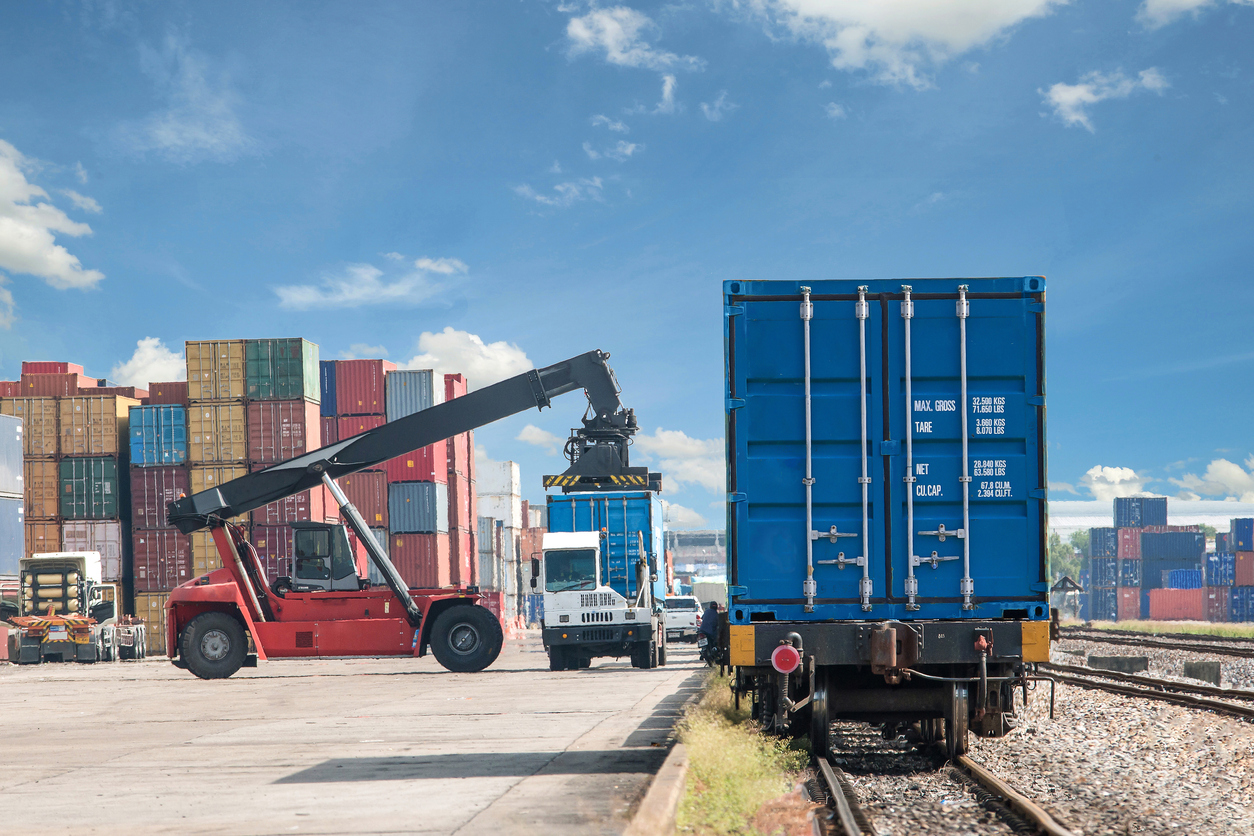
Logistics freight forwarding plays a central role in global trade, especially for businesses sourcing or distributing goods across borders.
For companies operating in Africa or trading with African markets, reliable freight forwarding can mean the difference between smooth operations and costly delays.
This article explains what logistics freight forwarding involves, common challenges businesses face, and how working with an experienced partner like Wigmore Trading can simplify the process.
What Is Logistics Freight Forwarding?
Logistics freight forwarding refers to the coordination and management of transporting goods from one location to another, often across international borders.
A freight forwarder acts as an intermediary between the shipper and transportation services, managing documentation, customs clearance, and shipment tracking.
Key freight forwarding services typically include:
-
Air, sea, and road freight coordination
-
Customs documentation and compliance
-
Cargo consolidation and deconsolidation
-
Warehousing and distribution
-
Cargo insurance and risk management
Rather than owning transport assets, freight forwarders leverage networks of carriers to ensure goods move efficiently and legally.
Why Freight Forwarding Matters in International Trade
Global supply chains are complex. Regulations vary by country, transport routes change, and costs fluctuate based on fuel prices and capacity.
Effective logistics freight forwarding helps businesses:
-
Reduce transit delays
-
Control shipping and handling costs
-
Ensure regulatory compliance
-
Minimize risk of cargo damage or loss
For importers and exporters dealing with FMCG, agricultural products, construction materials, or industrial goods, freight forwarding is not optional—it is operationally critical.
Common Freight Forwarding Challenges
Businesses often underestimate the complexity of international logistics.
Some of the most common challenges include:
Customs Delays and Compliance Issues
Incorrect paperwork or misunderstanding import regulations can result in shipments being held at ports.
This leads to demurrage charges, stock shortages, and missed delivery deadlines.
Wigmore Trading supports clients by managing customs documentation and ensuring compliance with destination-country regulations.
Rising Transportation Costs
Freight rates can fluctuate due to fuel costs, capacity shortages, and geopolitical factors.
Without strategic planning, logistics expenses can quickly erode profit margins.
An experienced freight forwarder helps optimize routes, consolidate shipments, and select cost-effective transport modes.
Limited Visibility and Tracking
Lack of shipment visibility makes it difficult to plan inventory and respond to disruptions.
Delays often go unnoticed until customers are already affected.
Modern logistics freight forwarding solutions include real-time tracking and proactive communication, areas where Wigmore Trading adds practical value.
Infrastructure Constraints in Emerging Markets
In many African markets, port congestion, road conditions, and limited warehousing infrastructure pose logistical challenges.
Local expertise and established regional networks are essential to navigate these constraints effectively.
Choosing the Right Freight Forwarding Partner
Not all freight forwarders offer the same level of service.
When evaluating logistics partners, businesses should consider:
-
Experience in target markets
-
Knowledge of local regulations and trade practices
-
Carrier network strength
-
Transparency in pricing
-
Ability to provide end-to-end logistics support
Wigmore Trading combines freight forwarding with sourcing, distribution, and trade advisory services, offering a more integrated approach than standalone logistics providers.
Freight Forwarding Solutions for African Trade
Africa’s trade landscape is diverse, with varying regulatory environments and infrastructure quality across countries.
Successful logistics freight forwarding in Africa requires:
-
Familiarity with regional trade corridors
-
Relationships with port authorities and customs officials
-
Flexible transport options for last-mile delivery
Wigmore Trading’s on-the-ground experience enables smoother cargo movement across West, Central, and Southern Africa.
This is particularly valuable for businesses importing consumer goods, food products, machinery, or raw materials.
Integrating Freight Forwarding with Supply Chain Strategy
Freight forwarding should not operate in isolation.
When integrated into a broader supply chain strategy, it can support:
-
Faster time-to-market
-
Better inventory planning
-
Reduced operational risk
Wigmore Trading works with clients to align logistics freight forwarding with sourcing, warehousing, and distribution needs, creating a more resilient supply chain.
How Wigmore Trading Can Help
Wigmore Trading supports businesses with tailored logistics freight forwarding solutions designed for African and international trade.
Our services include:
-
End-to-end freight coordination
-
Customs clearance support
-
Multimodal transport solutions
-
Trade documentation management
-
Market-specific logistics advisory
Whether you are importing goods into Africa or exporting products to global markets, Wigmore Trading can help streamline your logistics operations.
Final Thoughts
Logistics freight forwarding is a critical component of successful international trade.
By partnering with an experienced provider, businesses can reduce risk, control costs, and improve delivery reliability.
For companies operating in complex or emerging markets, expertise and local knowledge matter.
Get in touch with our team to learn more about how Wigmore Trading can support your freight forwarding and logistics needs.






Comments are closed.