
Managing Trade Risk During the Middle East Sukuk Issuance Crisis Liquidity Squeeze

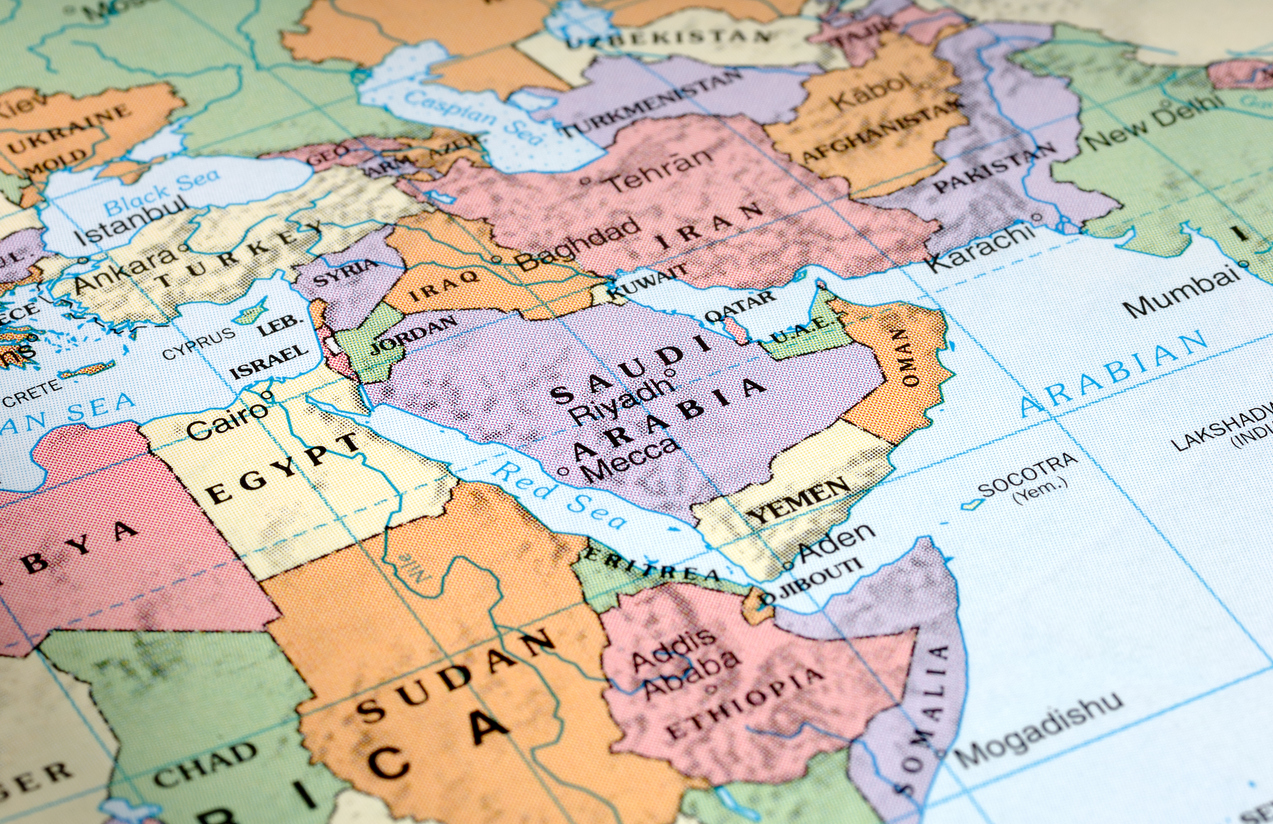
The Middle East sukuk issuance crisis liquidity issue has become a growing concern for financial markets across the Gulf Cooperation Council (GCC) and wider Islamic finance sectors. Sukuk, which are Sharia-compliant financial instruments often compared to bonds, have long been a key funding mechanism for governments, infrastructure projects, and large corporations across the Middle East.
However, tightening liquidity conditions, changing monetary policy, and global economic uncertainty have slowed sukuk issuance in recent years. This situation has implications not only for capital markets but also for sectors dependent on trade financing, infrastructure investment, and supply chain expansion.
For companies operating across Africa and the Middle East, understanding how the Middle East sukuk issuance crisis liquidity environment affects trade and investment flows is increasingly important.
Why the Middle East Sukuk Issuance Crisis Liquidity Is Emerging
Several factors have contributed to the current liquidity pressures affecting sukuk issuance.
Global Interest Rate Increases
As central banks around the world raised interest rates to combat inflation, borrowing costs increased significantly. This has made issuing sukuk more expensive for both governments and corporations.
Because many Middle Eastern currencies are pegged to the US dollar, monetary tightening by the US Federal Reserve has directly affected liquidity conditions across GCC financial markets.
Reduced Investor Appetite
Another driver of the Middle East sukuk issuance crisis liquidity challenge is changing investor behaviour. Institutional investors are increasingly cautious about long-duration debt instruments amid volatile economic conditions.
Some investors have also shifted toward conventional bonds when yields appear more attractive, reducing demand for certain sukuk structures.
Structural and Regulatory Challenges
In some markets, regulatory frameworks governing sukuk structures can add complexity compared with traditional debt instruments. Differences in Sharia interpretations, asset-backing requirements, and documentation processes can lengthen issuance timelines and increase costs.
These factors collectively reduce market liquidity and slow the rate of new sukuk offerings.
Implications for Infrastructure and Trade Financing
The Middle East sukuk issuance crisis liquidity environment can affect more than just financial markets. Many large-scale infrastructure projects across the Gulf and North Africa rely heavily on sukuk funding.
When issuance slows, governments and corporations may delay or restructure projects in sectors such as:
-
Ports and logistics infrastructure
-
Energy and petrochemical facilities
-
Transport networks
-
Industrial development zones
These projects often underpin regional trade growth. Slower investment may therefore influence supply chain expansion, commodity flows, and import-export infrastructure.
For African trade partners, this can affect opportunities tied to construction materials, industrial equipment, and consumer goods distribution.
How Liquidity Constraints Affect Import and Export Businesses
Liquidity pressures in capital markets can ripple into the broader trade ecosystem.
Slower Project Development
When financing becomes more limited, infrastructure and industrial projects may face delays. This can reduce short-term demand for imported equipment, construction materials, and industrial supplies.
Tighter Corporate Financing
Companies relying on sukuk to fund expansion may face higher financing costs or reduced access to capital. This can influence procurement decisions and supply chain planning.
Supply Chain Adjustments
Importers and exporters operating between Africa and the Middle East may need to adapt to shifting market conditions. Changes in financing availability can influence inventory cycles, logistics planning, and sourcing strategies.
Companies that understand these dynamics are better positioned to manage risk and maintain stable supply chains.
Managing Trade Risk During the Middle East Sukuk Issuance Crisis Liquidity Period
Businesses engaged in cross-border trade can take several practical steps to navigate liquidity constraints.
Diversifying Supply Chains
Companies should consider sourcing from multiple regions to reduce exposure to market disruptions linked to financing or infrastructure delays.
Strengthening Logistics Partnerships
Reliable logistics providers help businesses maintain consistent supply flows even when markets become volatile.
Improving Procurement Planning
Advance procurement planning allows companies to manage pricing fluctuations and supply availability more effectively.
Working with experienced trade partners can help businesses implement these strategies while maintaining operational efficiency.
How Wigmore Trading Supports Businesses During Market Liquidity Challenges
Periods of financial tightening, such as the current Middle East sukuk issuance crisis liquidity environment, highlight the importance of resilient supply chains and efficient trade operations.
Wigmore Trading supports companies across Africa and international markets by helping them source, distribute, and transport goods efficiently. Through its experience in wholesale distribution, logistics coordination, and supply chain management, the company helps businesses maintain stable procurement even when broader financial conditions shift.
For importers, exporters, and distributors navigating uncertain market conditions, having a reliable sourcing and logistics partner can reduce operational risk and maintain consistent product availability.
Conclusion
The Middle East sukuk issuance crisis liquidity issue reflects broader economic and financial changes affecting Islamic capital markets. Rising interest rates, shifting investor sentiment, and structural complexities have slowed sukuk issuance across the region.
While these developments primarily affect financial markets, their impact extends to infrastructure investment, trade financing, and supply chain growth. Businesses operating across Africa and the Middle East must therefore stay informed and adopt strategies that strengthen resilience.
Reliable sourcing, efficient logistics, and proactive procurement planning can help companies navigate periods of financial tightening.
Wigmore Trading can help. Contact Wigmore Trading today to streamline your sourcing and supply chain operations.





Comments are closed.