
Marine Pollution Control in Nigeria – Protecting Coastal Waters Through Strategic Response and Logistics

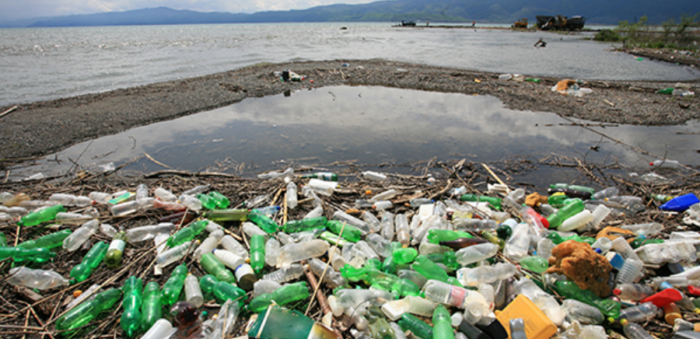
Nigeria’s marine environment is a vital national asset—supporting fisheries, trade, offshore energy production, and biodiversity. However, with rising maritime traffic, oil exploration, and industrial waste discharge, marine pollution control in Nigeria has become a top environmental and regulatory priority.
Effective pollution control not only preserves coastal ecosystems but also ensures compliance with global maritime standards and supports sustainable economic growth. In this article, we explore the current challenges of marine pollution in Nigeria, the regulatory framework, and how Wigmore Trading supports pollution control efforts through equipment sourcing, infrastructure development, and logistics coordination.
Key Sources of Marine Pollution in Nigeria
1. Oil Spills
Spills from pipelines, offshore platforms, and tankers are one of the most damaging sources of marine pollution in Nigeria—especially in the Niger Delta.
2. Ship-Generated Waste
Wastewater, sewage, garbage, and oil residues from commercial and naval vessels, if not properly managed, contribute significantly to marine contamination.
3. Ballast Water Discharge
Unregulated ballast water can introduce invasive species and pathogens into Nigeria’s waters.
4. Industrial and Municipal Waste
Coastal cities often discharge untreated effluent and solid waste into lagoons, estuaries, and the Atlantic coast.
5. Illegal Bunkering and Refining
Crude oil theft and artisanal refining generate large volumes of waste oil and byproducts, which often end up in waterways.
Regulatory Framework for Marine Pollution Control
Marine pollution in Nigeria is governed by a combination of national and international laws. Key regulatory agencies include:
-
National Oil Spill Detection and Response Agency (NOSDRA) – Responsible for oil spill management and response.
-
Nigerian Maritime Administration and Safety Agency (NIMASA) – Enforces marine environmental regulations and MARPOL standards.
-
Federal Ministry of Environment / NESREA – Oversees environmental compliance and enforces penalties.
-
Nigerian Ports Authority (NPA) – Monitors pollution control measures at seaports.
-
Nigerian Navy and Marine Police – Support enforcement and anti-dumping surveillance.
Vessels and companies operating in Nigeria’s waters are required to have pollution control plans, discharge logs, and proper waste disposal procedures.
Core Components of a Pollution Control Strategy
1. Prevention
-
Port reception facilities (PRFs) for vessel waste
-
Vessel inspections and compliance audits
-
Spill prevention systems on rigs and pipelines
2. Preparedness
-
Training for oil spill response and waste handling
-
Stockpiling of pollution control equipment
-
Community-based environmental monitoring programs
3. Response
-
Rapid deployment of containment booms and skimmers
-
Emergency response teams with PPE and remediation gear
-
UAV and satellite-based surveillance to track spill spread
4. Remediation
-
Soil and water cleanup
-
Biological and chemical treatments
-
Restoration of affected habitats and coastlines
How Wigmore Trading Supports Marine Pollution Control in Nigeria
As a trusted procurement and logistics partner, Wigmore Trading provides tailored solutions to enhance marine pollution response and environmental protection efforts.
1. Supply of Pollution Control Equipment
We source and deliver:
-
Oil containment booms and marine skimmers
-
Absorbent pads, dispersants, and spill kits
-
Chemical treatment tools for wastewater and ballast control
-
MARPOL-compliant onboard waste systems
2. Support for Response Contractors and Agencies
Wigmore Trading equips licensed pollution control companies and government teams with the tools needed for rapid and effective incident response.
3. Infrastructure for Waste Reception and Treatment
We assist ports, terminals, and base operators in setting up:
-
Wastewater treatment modules
-
Mobile incinerators and holding tanks
-
Solar-powered remediation systems for remote sites
4. Compliance and Documentation Support
We supply MARPOL logs, inspection tools, discharge record books, and labeling kits to ensure transparency and regulatory adherence.
5. End-to-End Logistics
Our team handles the international sourcing, customs clearance, and inland distribution of pollution control materials across Nigeria’s ports and coastal zones.
Wigmore Trading can help your organization build a cleaner, safer maritime environment in Nigeria—get in touch with our team to learn more.
Conclusion
Marine pollution control is not just an environmental obligation—it’s an operational necessity for Nigeria’s maritime and offshore industries. With the right tools, regulations, and logistics in place, Nigeria can protect its waters while supporting sustainable development.
Wigmore Trading is committed to this goal by delivering world-class solutions for waste management, oil spill response, and marine pollution control across Nigeria’s coastline.





Comments are closed.