
Medical Consumables Manufacturing in Nigeria: A Guide for Importers and Distributors

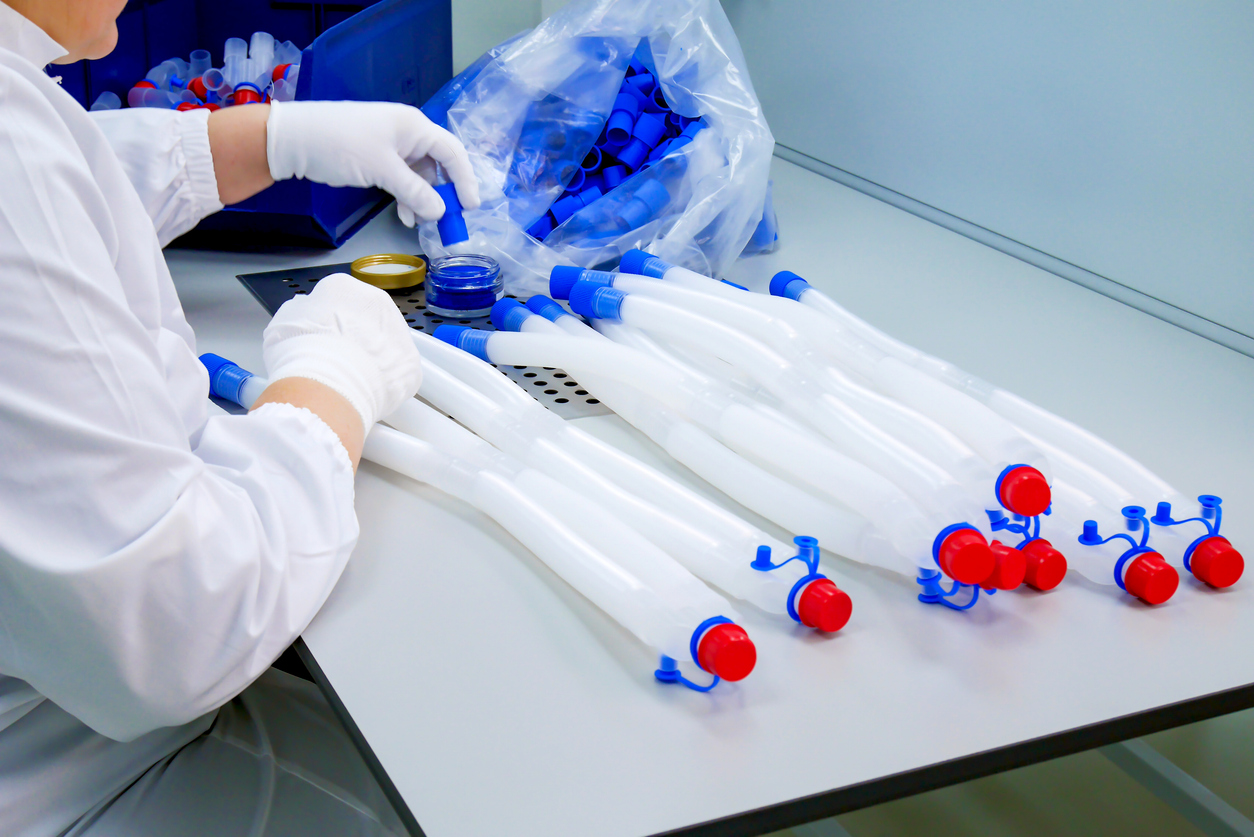
Medical consumables play a critical role in healthcare systems. Items such as gloves, syringes, bandages, IV sets, surgical masks, and diagnostic supplies are essential for daily medical procedures in hospitals, clinics, laboratories, and pharmacies.
In recent years, medical consumables manufacturing in Nigeria has attracted increasing attention as the country seeks to reduce dependence on imported medical supplies and strengthen its healthcare infrastructure. Local production not only improves supply reliability but also supports economic growth, job creation, and healthcare accessibility.
For healthcare providers, distributors, and procurement managers, understanding the evolving landscape of local manufacturing and supply chains is essential for securing reliable access to high-quality medical consumables.
The Growing Demand for Medical Consumables in Nigeria
Nigeria has one of the largest healthcare markets in Africa, driven by several key factors:
-
A population exceeding 200 million people
-
Expanding private healthcare facilities
-
Increased government investment in healthcare infrastructure
-
Rising awareness of infection prevention and control
Healthcare institutions require large volumes of consumable products for routine procedures and patient care. Common examples include:
-
Disposable gloves and surgical masks
-
Syringes and needles
-
IV cannulas and infusion sets
-
Surgical gowns and drapes
-
Diagnostic test kits and swabs
-
Wound care products such as gauze and bandages
Historically, Nigeria has relied heavily on imports to meet this demand. However, global supply disruptions during the COVID-19 pandemic highlighted the risks of overdependence on international supply chains. As a result, policymakers and private investors are increasingly supporting local medical consumables manufacturing in Nigeria.
Key Areas of Local Manufacturing
Nigeria’s medical manufacturing sector is still developing, but several product categories are gaining momentum.
Disposable Medical Gloves
The global demand for protective gloves has grown significantly. Nigerian manufacturers are beginning to explore local production, particularly nitrile and latex gloves used in hospitals, laboratories, and pharmaceutical environments.
Syringes and Needles
Syringes are among the most widely used medical consumables. Nigeria has already established several syringe manufacturing facilities to support vaccination programs and routine clinical use.
Face Masks and Protective Equipment
The pandemic accelerated the local production of masks, protective gowns, and face shields. These products remain essential in infection prevention protocols across healthcare settings.
IV Sets and Infusion Products
Intravenous therapy is common in hospitals, making IV sets and infusion products another important category for domestic production.
Despite these advancements, many manufacturers still rely on imported raw materials, specialized machinery, and technical expertise.
Challenges Facing Medical Consumables Manufacturing in Nigeria
Although the sector shows promise, manufacturers face several structural challenges.
Limited Access to Raw Materials
Many essential inputs—such as medical-grade polymers, latex, and packaging materials—are imported, increasing production costs and lead times.
Regulatory Compliance
Medical consumables must meet strict quality and safety standards. In Nigeria, manufacturers must comply with regulatory guidelines from agencies such as NAFDAC. Meeting international standards requires consistent quality control and certification processes.
Infrastructure Constraints
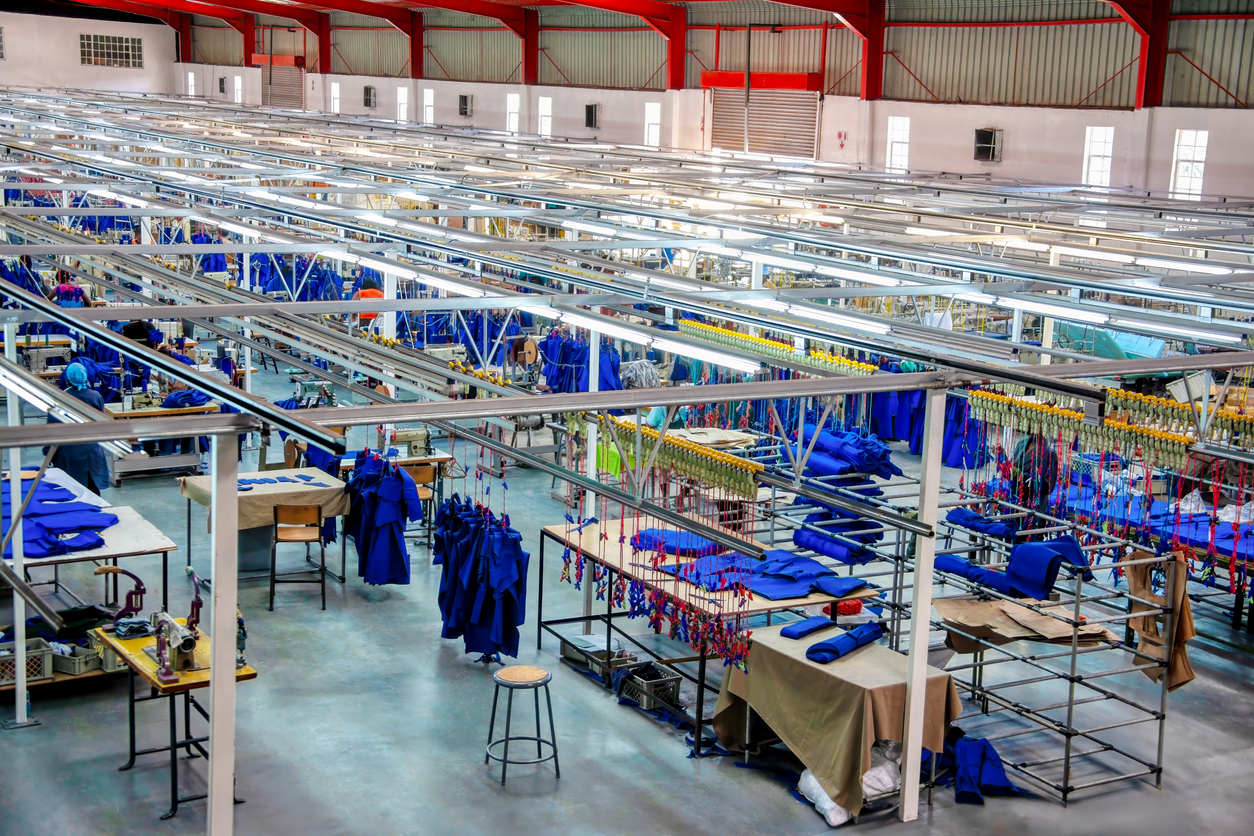
Manufacturing facilities require stable power supply, specialized equipment, and sterile production environments. Infrastructure limitations can increase operational costs.
Distribution and Logistics
Even when products are manufactured locally, efficient distribution networks are required to ensure timely delivery to hospitals, pharmacies, and medical distributors across Nigeria and neighboring markets.
Strengthening the Healthcare Supply Chain
Reliable healthcare supply chains are essential to support both manufacturers and medical providers. Efficient sourcing, warehousing, and distribution systems help ensure that hospitals receive essential consumables without delays.
Companies involved in medical procurement often rely on experienced supply chain partners to manage:
-
Importation of manufacturing inputs
-
Quality-controlled storage and warehousing
-
Nationwide distribution networks
-
Compliance with regulatory requirements
-
International sourcing for products not produced locally
This integrated approach helps bridge the gap between manufacturers, distributors, and healthcare institutions.
The Role of Strategic Sourcing and Distribution
As medical consumables manufacturing in Nigeria continues to expand, supply chain coordination will become increasingly important. Manufacturers, wholesalers, and healthcare providers must work together to ensure product availability, quality, and cost efficiency.
Supply chain partners can support the industry by:
-
Connecting healthcare buyers with reliable manufacturers
-
Facilitating bulk procurement and wholesale distribution
-
Managing logistics and cross-border trade
-
Supporting regulatory compliance and documentation
Organizations experienced in African trade and distribution, such as Wigmore Trading, help streamline these processes by connecting suppliers, distributors, and healthcare buyers through efficient sourcing and logistics networks.
Conclusion
Medical consumables are essential to the daily operation of healthcare systems. As Nigeria continues to invest in healthcare infrastructure, medical consumables manufacturing in Nigeria is expected to grow steadily.
While the industry faces challenges such as infrastructure limitations and raw material dependency, increased investment and improved supply chain coordination can strengthen local production capacity. Reliable sourcing and distribution networks will play a key role in ensuring that healthcare providers have consistent access to critical supplies.
Wigmore Trading can help. Contact Wigmore Trading today to streamline your sourcing.





Comments are closed.