
Ocean Freight Charges List: Full Cost Breakdown

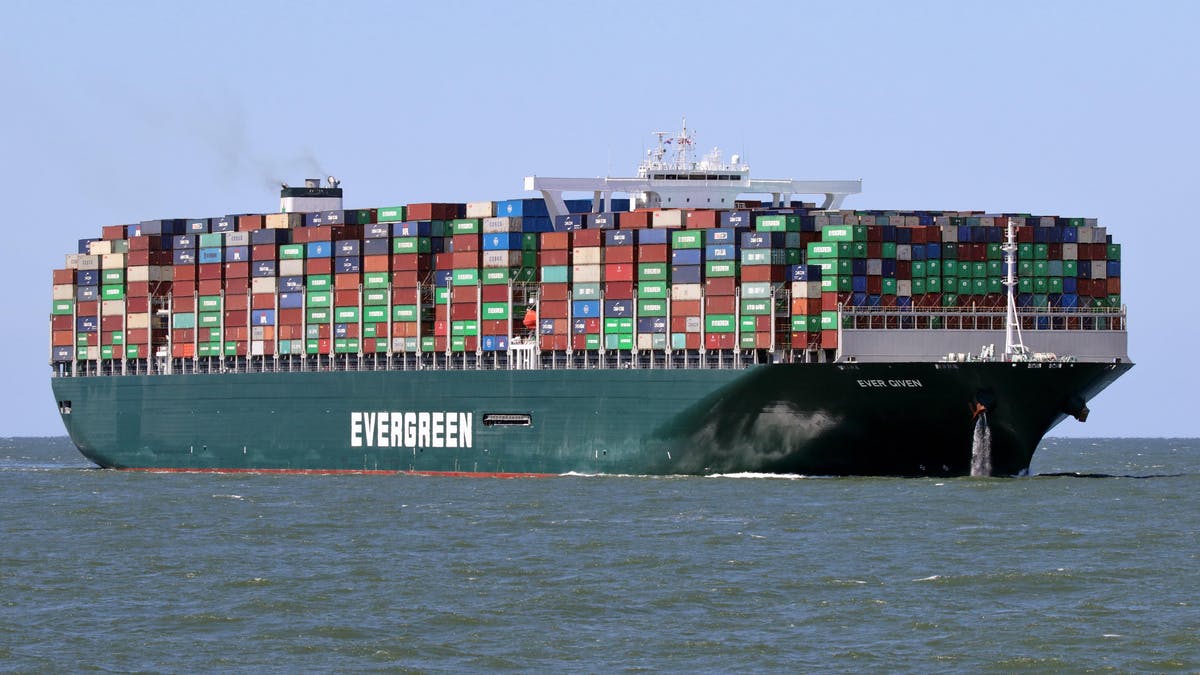
If you move goods by sea, your ocean freight charges list can make or break your profit margin. Yet many importers accept whatever their forwarder or carrier sends—without fully understanding what they’re paying for.
In this guide, we break down the typical charges on an ocean freight invoice, explain what drives costs up, and show how a partner like Wigmore Trading can help you control and plan your spend more effectively.
Why your ocean freight charges list matters
Every container you ship involves multiple stakeholders: shipping lines, port terminals, customs authorities, inland transport providers, and documentation agents. Each of them may levy separate fees.
Without a clear grasp of your ocean freight charges list, you risk:
-
Underestimating landed cost and pricing your products too low
-
Unexpected port or terminal fees eroding your margin
-
Delays because key charges (such as storage or customs processing) weren’t budgeted
-
Disputes with suppliers or buyers over who should pay what
This is especially important for shipments into African markets like Nigeria, where port processes, customs documentation, and inland delivery conditions can be complex. Wigmore Trading helps businesses plan freight, clearance and delivery costs more confidently.
Key items in a typical ocean freight charges list
Below is a breakdown of the main charges you’re likely to see on a sea freight quotation or invoice. Not every shipment includes every item, but these are among the most common.
1. Basic Ocean Freight
This is the core sea freight rate for moving your container or LCL cargo from the port of loading to the port of discharge.
-
Usually quoted per container (20ft or 40ft) or per cubic metre/tonne for LCL
-
Varies by route, shipping line, season and global capacity
-
Forms the foundation of your ocean freight charges list
2. Bunker Adjustment Factor (BAF) / Fuel Surcharge
Shipping lines add fuel surcharges to compensate for fuel price fluctuations.
-
Often displayed as a separate line item
-
Can change frequently depending on market conditions
-
More significant on long-haul routes (such as Asia–West Africa)
3. Terminal Handling Charges (THC)
Terminal Handling Charges cover the cost of handling containers at port terminals:
-
Loading/unloading containers from the vessel
-
Moving the container within the terminal
-
Basic stevedoring and handling services
THC may apply at both origin and destination ports and might be included or separated depending on how your quote is structured.
4. Documentation Fees
Documentation fees cover the preparation and processing of shipping documents, such as:
-
Bill of Lading (B/L) fee
-
Manifest fees
-
Export documentation fees
-
Destination documentation release charges
These may appear as “Documentation Fee,” “Admin Fee,” or “B/L Fee.”
5. Security & Surcharges (e.g., ISPS Fees)
Ports and carriers may apply security surcharges to meet international port safety requirements. These typically cover:
-
Security compliance programs
-
Monitoring and scanning
-
Port facility measures
You may also see port congestion surcharges during delays or vessel queue periods at major ports.
6. Customs Clearance & Government Processing Charges
At destination, customs clearance costs may include:
-
Customs broker service fee
-
Government documentation processing
-
Inspection charges (if your cargo is selected for examination)
In Nigeria, professional clearance support is essential because errors can trigger delays and storage charges. Wigmore Trading supports importers with documentation guidance and customs clearance coordination to reduce risk.
7. Duties, Taxes and Levies
These are not freight charges in the strictest sense, but they impact total landed cost:
-
Import duty
-
VAT or applicable sales tax
-
Special levies for certain product categories
These are usually calculated based on the commodity’s HS code and CIF value (Cost + Insurance + Freight).
8. Delivery Order, Port & Terminal Fees
Once customs clears your cargo, charges may appear for:
-
Delivery Order (DO) fee
-
Container release fees
-
Terminal or port administration fees
-
Gate pass or access charges
These costs are common for cargo arriving at busy ports and can vary by terminal.
9. Demurrage and Detention
These penalties often surprise importers, especially first-time shippers:
-
Demurrage: charged when the container stays in the terminal beyond free days
-
Detention: charged when the container is taken out of the port but returned late
Good planning is essential to avoid these charges—especially in markets where clearance or truck shortages cause delays. Wigmore Trading helps clients plan clearance and delivery to reduce demurrage exposure.
10. Inland Haulage / Local Delivery
If you’re using door-to-door or port-to-warehouse services, your charges list may include:
-
Trucking from the port to your final destination
-
Route-related fees (tolls, permits, weighbridge)
-
Handling charges for unloading and warehouse delivery
Wigmore Trading supports inland logistics and delivery services in Nigeria, helping importers move cargo smoothly after port release.
Sample ocean freight charges list (example format)
Here’s a simplified example of how a typical ocean freight charges list may look. Actual rates vary by shipping lane, time of year and cargo type, but the structure is realistic.
| Charge Item | Who Charges It | Notes |
|---|---|---|
| Basic Ocean Freight | Shipping line / forwarder | Main freight cost |
| Fuel surcharge (BAF) | Shipping line | Varies with fuel markets |
| Origin Terminal Handling (THC) | Port / shipping line | Handling at origin |
| Bill of Lading / Doc Fee | Shipping line / forwarder | Shipping document |
| Destination THC | Terminal operator | Handling at arrival |
| Security / ISPS surcharge | Shipping line / port | Security compliance |
| Customs Clearance Fee | Customs agent / broker | Service fee |
| Duties & Taxes | Customs authority | Based on HS code |
| Delivery Order Fee | Shipping line / agent | Container release |
| Port Storage (if any) | Terminal operator | After free time expires |
| Demurrage / Detention (if any) | Shipping line | Penalty charges |
| Inland Trucking | Haulage company / forwarder | Warehouse delivery |
Tip: Always ask, “Which destination charges are included, and which are excluded?”
That simple question reduces the risk of “unexpected” fees.
What drives ocean freight charges up or down?
Several factors affect what you pay on your freight invoice:
-
Trade route and distance
-
Seasonality and peak demand
-
Container availability
-
Port congestion and transit delays
-
Cargo weight, classification, and documentation accuracy
-
Local clearance speed and terminal free-day limitations
Even when freight rates are low, poor clearance planning can make the shipment expensive due to demurrage, storage and unexpected local charges.
How Wigmore Trading can help manage freight costs
Wigmore Trading supports businesses importing into and exporting from Nigeria and West Africa with practical logistics solutions that reduce confusion and cost.
Here’s how Wigmore Trading can help with your ocean freight charges list:
-
Transparent freight planning with clear itemized breakdowns
-
Freight coordination that aligns shipping schedules, documentation and delivery
-
Customs clearance support to minimize delays and storage
-
End-to-end logistics services including port handling, delivery and distribution
-
Cost forecasting to help importers plan landed cost and avoid invoice surprises
If you’re importing FMCG, industrial goods, or bulk wholesale shipments, Wigmore Trading can help you build a more predictable shipping and clearance process.
Practical tips to reduce hidden freight charges
To keep your ocean freight spend under control:
-
Always request itemized quotes
-
Confirm Incoterms and responsibilities in writing
-
Send documents early for clearance preparation
-
Track demurrage and container return deadlines
-
Review invoices after each shipment to identify repeat charges
Contact Wigmore Trading today to streamline your sourcing, shipping and customs clearance. Get in touch with our team to learn more.






Comments are closed.