
Overseas Logistics Challenges and How Businesses Can Overcome Them

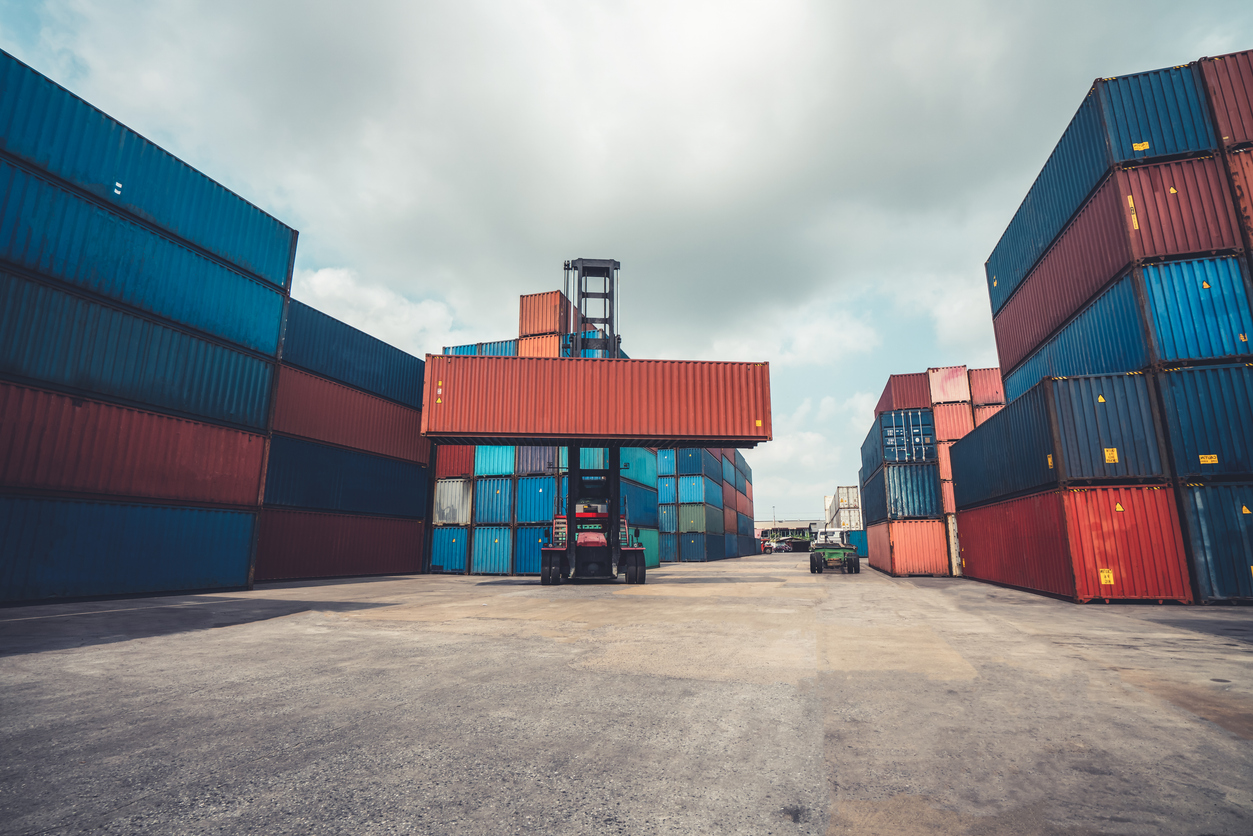
Overseas logistics is a critical component of international trade, especially for businesses sourcing, distributing, or exporting goods across borders. For importers, wholesalers, FMCG brands, and distributors operating in or trading with Africa, efficient overseas logistics can be the difference between profit and disruption.
This article explains what overseas logistics involves, common challenges businesses face, and how working with an experienced trading and logistics partner like Wigmore Trading can simplify cross-border operations.
What Is Overseas Logistics?
Overseas logistics refers to the planning, management, and execution of moving goods between countries. It covers every step from supplier pickup to final delivery at the destination market.
This includes:
-
International freight forwarding (sea, air, or road)
-
Customs clearance and compliance
-
Warehousing and consolidation
-
Inventory management
-
Last-mile delivery
-
Documentation and regulatory coordination
For businesses importing into Africa or exporting from African markets, overseas logistics must account for varying regulations, port infrastructure, and regional transport conditions.
Why Overseas Logistics Matters for African Trade
Africa’s trade environment offers significant growth opportunities, but it also presents logistical complexities. Port congestion, customs delays, inconsistent infrastructure, and regulatory differences between countries can affect timelines and costs.
Effective overseas logistics helps businesses:
-
Reduce transit times
-
Control landed costs
-
Avoid customs penalties
-
Protect product quality
-
Maintain consistent supply chains
Wigmore Trading supports companies navigating these challenges by providing coordinated logistics solutions tailored to African and international trade routes.
Key Components of Overseas Logistics
Understanding the core elements of overseas logistics helps businesses plan more effectively.
International Freight Management
Choosing the right freight mode is critical. Sea freight is cost-effective for bulk shipments, while air freight suits high-value or time-sensitive goods. Road and multimodal transport often support regional African distribution.
Wigmore Trading helps clients select optimal shipping routes and carriers based on cost, speed, and reliability.
Customs Clearance and Compliance
Customs regulations differ by country and product category. Errors in documentation or classification can lead to delays or fines.
A reliable overseas logistics partner ensures:
-
Accurate HS code classification
-
Proper import/export documentation
-
Compliance with local regulations
-
Smooth coordination with customs authorities
Wigmore Trading’s experience across African markets reduces compliance risks for importers and exporters.
Warehousing and Distribution
Overseas logistics doesn’t end at the port. Warehousing, consolidation, and inland transport are essential for maintaining supply chain continuity.
Strategically located storage facilities allow businesses to:
-
Hold buffer stock
-
Manage inventory efficiently
-
Distribute to multiple markets from one hub
Wigmore Trading supports warehousing and distribution services aligned with regional demand patterns.
Common Overseas Logistics Challenges
Even experienced traders face obstacles when managing overseas logistics.
Delays and Port Congestion
High-traffic ports and limited handling capacity can slow shipments. Without proactive planning, delays quickly disrupt supply chains.
Wigmore Trading mitigates this risk through route planning, shipment tracking, and flexible transport options.
Rising Freight Costs
Global fuel prices, container shortages, and seasonal demand fluctuations impact shipping costs.
By leveraging established carrier relationships, Wigmore Trading helps clients secure competitive freight rates and manage cost volatility.
Documentation Errors
Missing or incorrect paperwork remains one of the most common causes of shipment delays.
Working with an experienced logistics partner reduces errors and ensures documentation accuracy across borders.
Supply Chain Visibility
Limited shipment tracking creates uncertainty and inventory gaps.
Wigmore Trading provides better visibility through coordinated logistics management and communication at every stage.
Overseas Logistics for FMCG and Wholesale Distribution
For FMCG brands and wholesale distributors, overseas logistics requires additional precision. Products often have shelf-life constraints, packaging requirements, and high turnover expectations.
Key considerations include:
-
Temperature control where necessary
-
Fast customs processing
-
Reliable last-mile delivery
-
Accurate demand forecasting
Wigmore Trading supports FMCG supply chains by integrating sourcing, logistics, and distribution into a single coordinated process.
Choosing the Right Overseas Logistics Partner
A strong logistics partner does more than move goods. They act as a strategic extension of your business.
When evaluating overseas logistics providers, look for:
-
Experience in your target markets
-
Understanding of African trade environments
-
End-to-end service capabilities
-
Transparent communication
-
Proven problem-solving ability
Wigmore Trading combines trading expertise with logistics coordination, helping businesses reduce risk while expanding into new markets.
How Wigmore Trading Supports Overseas Logistics
Wigmore Trading works with businesses across import/export, wholesale distribution, and FMCG sectors to simplify overseas logistics.
Our support includes:
-
Supplier coordination and sourcing
-
Freight forwarding and route optimization
-
Customs documentation and clearance
-
Warehousing and inland distribution
-
Ongoing supply chain support
Rather than managing multiple vendors, businesses benefit from a single, experienced partner that understands both trade and logistics realities.
If overseas logistics is slowing your growth or increasing operational risk, Wigmore Trading can help.
Final Thoughts
Overseas logistics is a foundational element of successful international trade. With the right planning, partners, and local market understanding, businesses can reduce delays, manage costs, and build resilient supply chains.
For companies trading with Africa or expanding across borders, working with an experienced logistics and trading partner makes the process more efficient and predictable.
Get in touch with our team to learn more about how Wigmore Trading can streamline your overseas logistics operations.






Comments are closed.