
palm oil refining and fractionation plant in Nigeria

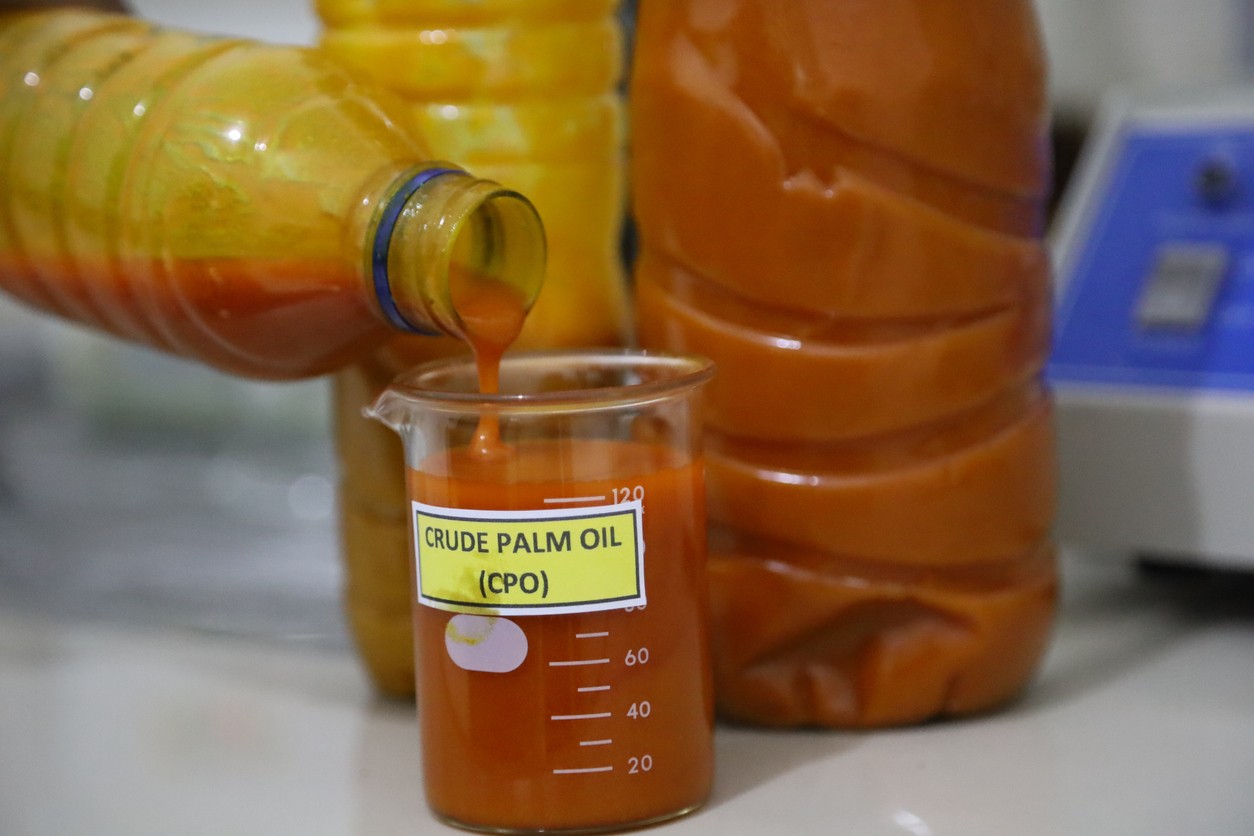
Nigeria is one of Africa’s largest producers of palm oil, with the crop playing a critical role in food manufacturing, cosmetics, pharmaceuticals, and industrial applications. However, raw palm oil alone cannot fully meet international quality standards or specialized product requirements. To add value and access global markets, many producers invest in a palm oil refining and fractionation plant in Nigeria.
These processing facilities convert crude palm oil (CPO) into refined products such as refined, bleached, and deodorized palm oil (RBD palm oil), palm olein, and palm stearin. With growing global demand for vegetable oils, establishing refining and fractionation capacity has become a strategic opportunity for Nigerian agribusinesses and exporters.
Understanding Palm Oil Refining and Fractionation
Palm oil refining is the process of removing impurities, free fatty acids, and undesirable colors or odors from crude palm oil. The refining process typically involves several stages including degumming, neutralization, bleaching, and deodorization.
Once refined, the oil can undergo fractionation, a process that separates it into different components based on melting points.
The main products produced from fractionation include:
Palm Olein
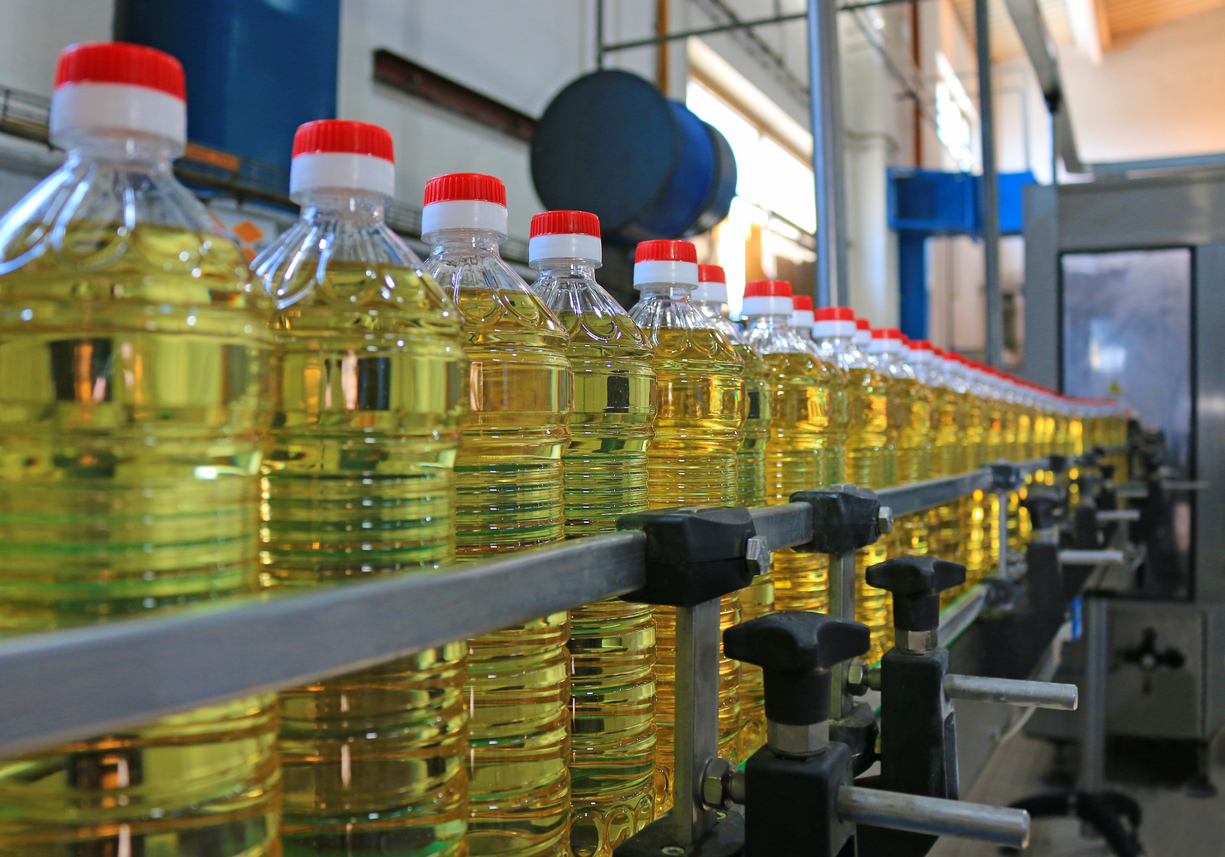
A liquid fraction widely used for cooking oil and frying applications.
Palm Stearin
A solid fraction commonly used in margarine, shortening, soaps, and industrial products.
These refined products meet international food safety and quality standards, making them suitable for export to Europe, Asia, and other African markets.
Why Nigeria Needs More Refining and Fractionation Plants
Nigeria produces millions of tonnes of palm fruit annually, yet much of the value in the supply chain is lost when crude oil is exported without processing.
Establishing a palm oil refining and fractionation plant in Nigeria creates several economic and industrial benefits.
1. Value Addition
Refining increases the value of palm oil significantly. Instead of exporting crude oil at lower margins, producers can supply refined products with higher commercial value.
2. Export Market Access
Many importing countries require refined oils that meet food-grade standards. Processing facilities enable Nigerian exporters to comply with international regulations.
3. Industrial Development
Palm oil derivatives are used in multiple industries including food manufacturing, cosmetics, detergents, and biofuels. Refining plants supply these industries with standardized raw materials.
4. Reduced Import Dependence
Nigeria still imports some refined vegetable oils. Expanding refining capacity can strengthen domestic supply chains and reduce reliance on imports.
Key Components of a Palm Oil Refining and Fractionation Plant
Modern palm oil processing facilities integrate several specialized units to achieve high-quality output.
Crude Oil Storage and Pre-treatment
Crude palm oil is first stored and pre-treated to remove impurities before entering the refining process.
Neutralization and Degumming
This stage removes free fatty acids, phospholipids, and unwanted compounds that affect oil stability.
Bleaching
Bleaching removes pigments and contaminants using specialized bleaching earth or filtration systems.
Deodorization
Steam distillation removes odors and volatile compounds, producing refined palm oil suitable for food applications.
Fractionation Unit
The refined oil is cooled and separated into palm olein and palm stearin using crystallization and filtration technologies.
Efficient plant design is essential for maintaining product quality, energy efficiency, and production capacity.
Export Opportunities for Refined Palm Oil
Global demand for palm-based products continues to grow, particularly in emerging economies and the global food industry.
Nigeria has strong potential to supply refined palm oil products to markets such as:
-
West and Central Africa
-
Europe
-
India
-
China
-
The Middle East
However, successful export operations depend on several factors including consistent supply, regulatory compliance, and reliable logistics infrastructure.
Supply Chain Challenges in Palm Oil Processing
Despite its potential, the palm oil sector faces several operational challenges.
Inconsistent Raw Material Supply
Smallholder farms dominate palm production in Nigeria, leading to supply variability.
Processing Inefficiencies
Outdated equipment and poor maintenance can reduce product quality and yield.
Export Logistics and Compliance
International markets require strict adherence to packaging, documentation, and quality standards.
Addressing these challenges requires strong supply chain coordination, efficient sourcing networks, and reliable distribution channels.
How Wigmore Trading Supports Palm Oil Export Supply Chains
For companies looking to operate or supply a palm oil refining and fractionation plant in Nigeria, reliable logistics and sourcing partners are essential.
Wigmore Trading supports agricultural processors and exporters by providing services such as:
-
Sourcing agricultural commodities and raw materials
-
Bulk distribution and supply chain coordination
-
Export logistics and freight management
-
Regulatory compliance support
-
Access to regional and international markets
Through established distribution networks across Africa and global trade routes, Wigmore Trading helps businesses streamline operations and move products efficiently from processing facilities to end markets.
Conclusion
The development of a palm oil refining and fractionation plant in Nigeria represents a major opportunity to strengthen the country’s agro-processing sector. By converting crude palm oil into high-value refined products, businesses can access international markets, increase profitability, and support industrial growth.
As global demand for vegetable oils continues to rise, Nigeria is well positioned to expand its role in the global palm oil supply chain through modern refining and processing facilities.
Wigmore Trading can help businesses navigate sourcing, logistics, and export requirements to build efficient palm oil supply chains. Contact Wigmore Trading today to streamline your sourcing.




Comments are closed.