
Philippines Power Generation Diesel Reserve Planning: Ensuring Energy Security and Grid Stability

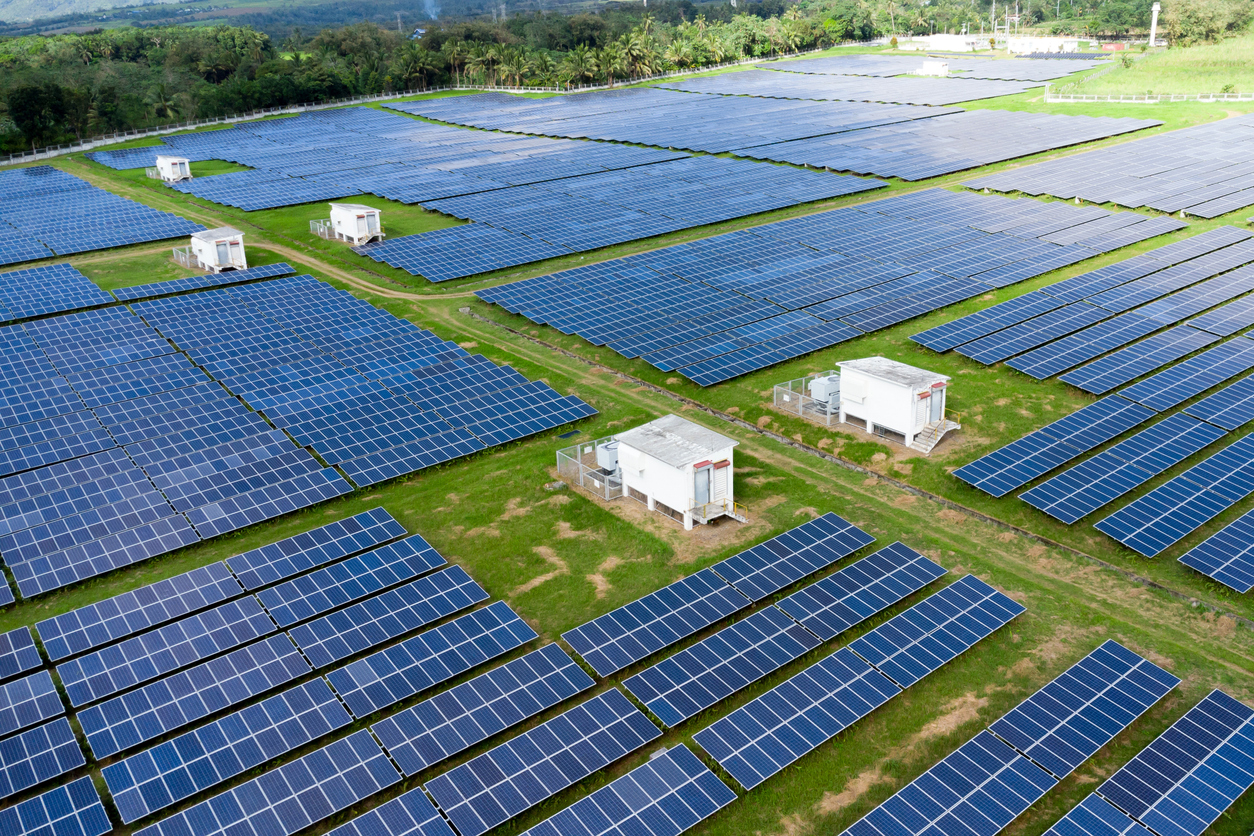
Electricity demand in the Philippines continues to grow as industrial activity expands, urban populations increase, and economic development accelerates. However, the country’s power system faces unique challenges, including reliance on imported fuel, vulnerability to typhoons, and fluctuating renewable energy output.
Philippines power generation diesel reserve planning has therefore become an essential strategy for maintaining grid reliability and preventing power shortages during emergencies or supply disruptions.
Proper planning for diesel reserves allows utilities, grid operators, and industrial facilities to maintain backup generation capacity when primary power sources become unavailable. Understanding how diesel reserves fit into the country’s energy strategy helps both public and private sector stakeholders manage risk and maintain stable power supply.
Understanding Philippines Power Generation Diesel Reserve Planning
Philippines power generation diesel reserve planning refers to the strategic storage and management of diesel fuel used to operate backup or standby generators within the national power system.
Diesel reserves are typically used in situations such as:
-
Power plant outages
-
Grid instability
-
Extreme weather events
-
Supply interruptions affecting primary fuels
-
Sudden spikes in electricity demand
Because diesel generators can be deployed quickly and operate independently of the main grid, they provide a reliable short-term solution for maintaining electricity supply when other generation sources are unavailable.
In the Philippines, diesel reserve planning is particularly important because the country operates an archipelagic grid system with multiple isolated power networks.
Why Diesel Reserves Are Critical for the Philippine Power Sector
Several structural characteristics of the Philippine energy system make diesel reserve planning necessary.
Geographic Fragmentation
The Philippines consists of more than 7,000 islands, meaning electricity generation and distribution systems are often regionally separated. Many remote islands rely heavily on diesel generators for primary or backup power.
Strategic diesel reserves help ensure that isolated grids can continue operating even when supply chains are temporarily disrupted.
Exposure to Extreme Weather
Typhoons frequently damage transmission lines, disrupt fuel deliveries, and cause temporary power plant shutdowns. During such events, diesel generators serve as emergency generation assets.
Maintaining adequate diesel fuel reserves ensures that emergency power systems can run continuously during disaster recovery periods.
Intermittent Renewable Energy
The Philippines has expanded renewable energy sources such as solar, wind, and hydro. While these technologies are important for sustainability, they also introduce variability into the power system.
Diesel backup generation provides flexible support during periods when renewable output falls unexpectedly.
Key Factors in Effective Diesel Reserve Planning
Effective Philippines power generation diesel reserve planning requires careful coordination between fuel suppliers, utilities, and power producers.
Strategic Fuel Storage
Power facilities must maintain sufficient fuel storage capacity to operate generators for extended periods during emergencies. Storage infrastructure should be designed to withstand environmental risks such as flooding or typhoon damage.
Reliable Fuel Supply Chains
Diesel reserves depend on stable procurement and distribution networks. Fuel suppliers must ensure consistent availability and timely delivery to power plants and industrial backup facilities.
This often involves long-term supply contracts and contingency planning for import disruptions.
Fuel Quality Management
Diesel fuel stored for extended periods must meet strict quality standards to ensure generators operate efficiently. Poor-quality or contaminated fuel can cause equipment damage and reduce generator reliability.
Regular testing, proper tank maintenance, and adherence to international fuel standards are essential components of reserve management.
Compliance with Energy Regulations
Government agencies such as the Department of Energy (DOE) regulate fuel storage, power plant operations, and emergency preparedness.
Utilities and power operators must comply with these regulations while maintaining adequate reserves for operational resilience.
Logistics Challenges in Diesel Reserve Distribution
Managing diesel reserves for power generation presents several logistical challenges.
Import Dependency
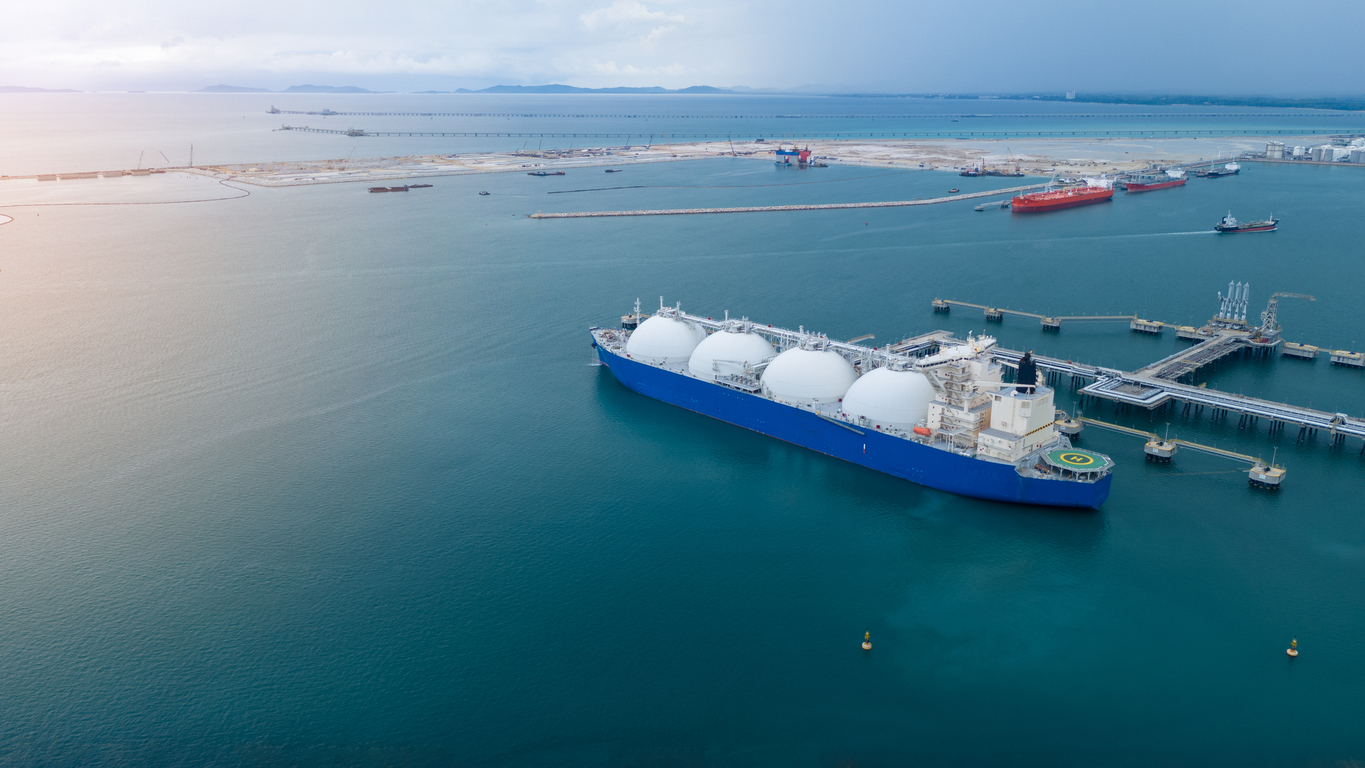
The Philippines imports a significant portion of its refined fuel products. This creates exposure to global price volatility and potential supply chain disruptions.
Ensuring consistent diesel availability requires strong relationships with international suppliers and efficient port logistics.
Transportation to Remote Areas
Delivering diesel to remote islands or off-grid power facilities can be difficult due to limited infrastructure and weather-related disruptions.
Fuel distribution networks must account for these challenges through coordinated shipping, storage, and inland transport systems.
Inventory Management
Maintaining adequate reserves without excessive stockpiling requires accurate forecasting and inventory monitoring. Overstorage can increase costs and fuel degradation risks, while insufficient reserves create reliability concerns.
How Wigmore Trading Supports Diesel Supply and Energy Logistics
Reliable fuel supply chains are essential for successful Philippines power generation diesel reserve planning. Energy companies and utilities often rely on experienced trading and logistics partners to secure consistent diesel availability.
Wigmore Trading supports fuel procurement and distribution by connecting businesses with trusted global suppliers and coordinating efficient logistics. Through strong sourcing networks and supply chain expertise, Wigmore Trading helps ensure that diesel fuel reaches power generation facilities on schedule and in compliance with quality standards.
By managing procurement, shipping, and distribution processes, companies can reduce supply risks and maintain adequate fuel reserves for emergency generation.
Strengthening Energy Resilience Through Diesel Reserve Planning
As electricity demand continues to grow, the importance of strategic fuel planning within the Philippine energy sector will increase. Diesel reserves remain a critical safeguard against supply interruptions, natural disasters, and fluctuations in renewable generation.
Effective Philippines power generation diesel reserve planning requires coordinated fuel sourcing, reliable logistics networks, and careful inventory management. When these elements are aligned, utilities and power producers can maintain grid stability and protect consumers from unexpected power shortages.
Organizations that establish resilient fuel supply strategies are better positioned to respond quickly during emergencies and maintain continuous energy delivery.
Wigmore Trading can help. Contact Wigmore Trading today to streamline your sourcing.



Comments are closed.