
Port Congestion Alternatives After a Suez Canal Closure: How Businesses Can Maintain Supply Chain Continuity

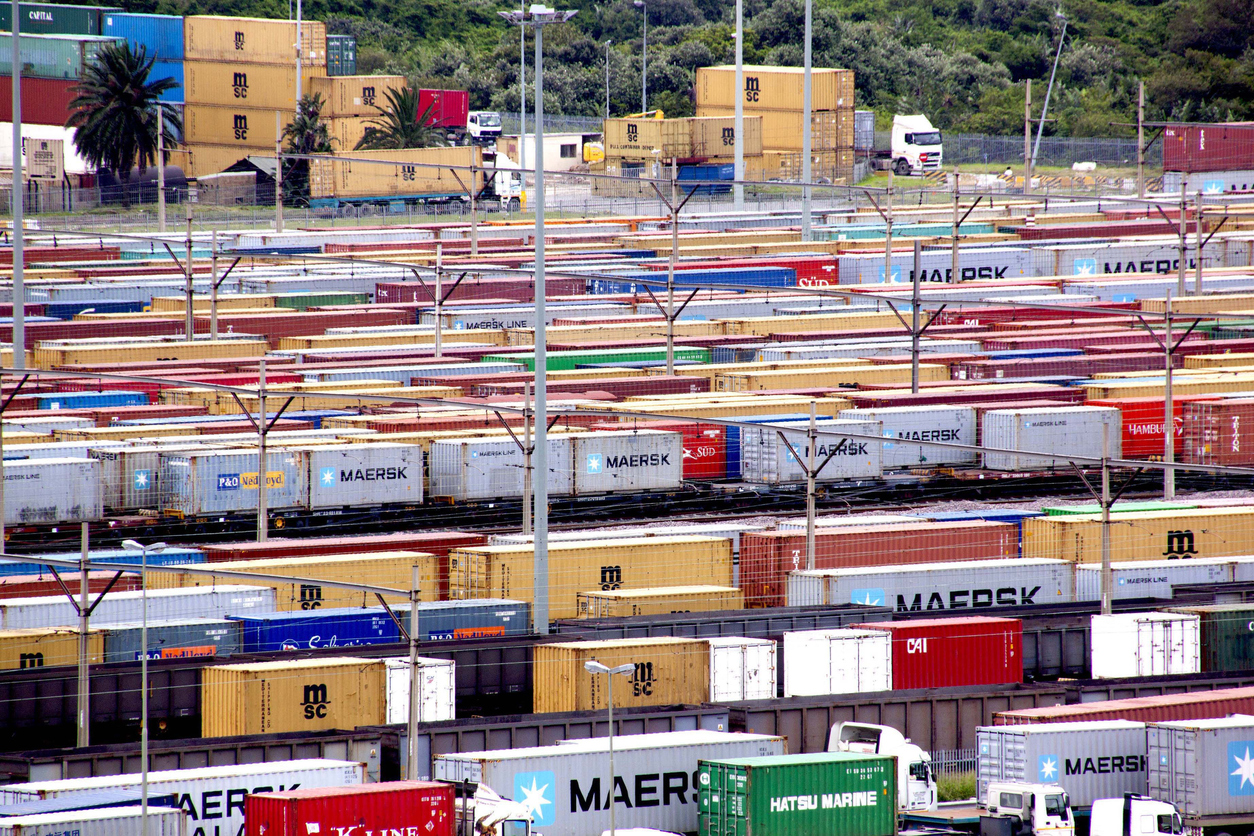
Global trade depends heavily on a small number of strategic maritime routes, and the Suez Canal is one of the most critical. When disruptions occur—such as a Suez Canal closure—shipping companies and importers must quickly evaluate port congestion alternatives Suez Canal closure scenarios to prevent delays, cost overruns, and supply chain interruptions.
For businesses that rely on consistent global sourcing, understanding alternative trade routes and logistics strategies is essential. This article explores practical port congestion alternatives during a Suez Canal closure and how companies can maintain reliable supply chains during major shipping disruptions.
Why a Suez Canal Closure Creates Global Port Congestion
The Suez Canal connects the Mediterranean Sea to the Red Sea and is responsible for moving roughly 12–15% of global trade. A closure—whether caused by accidents, geopolitical tensions, or infrastructure issues—forces vessels to reroute or delay shipments.
This disruption quickly leads to port congestion across Europe, the Middle East, and Africa due to several factors:
-
Ships rerouting around the Cape of Good Hope
-
Delays causing vessel bunching at major ports
-
Increased pressure on alternative shipping lanes
-
Container shortages in key trading hubs
For importers and exporters, these disruptions can increase transit times by 7–14 days or more. Businesses that rely on predictable shipping schedules must therefore explore port congestion alternatives after a Suez Canal closure to maintain supply chain continuity.
Alternative Shipping Routes When the Suez Canal Is Closed
One of the most immediate port congestion alternatives Suez Canal closure strategies is rerouting vessels through longer but reliable maritime corridors.
Cape of Good Hope Route
The most widely used alternative is routing ships around the Cape of Good Hope at the southern tip of Africa.
Although this route adds approximately 3,500–4,000 nautical miles, it allows ships to bypass the Suez Canal entirely. Major shipping lines often adopt this strategy during prolonged closures.
However, the longer route can increase:
-
Fuel costs
-
Freight rates
-
Delivery timelines
For companies importing goods into Africa or Europe, working with experienced logistics partners can help manage these extended transit times efficiently.
Mediterranean Transshipment Hubs
Another strategy involves redirecting shipments to Mediterranean ports for redistribution.
Ports such as:
-
Piraeus (Greece)
-
Valencia (Spain)
-
Gioia Tauro (Italy)
can serve as transshipment hubs, where cargo is transferred to smaller vessels or alternative routes.
This approach helps reduce congestion at traditional gateway ports while keeping goods moving toward their final destinations.
African Ports as Strategic Alternatives During Suez Disruptions
When evaluating port congestion alternatives Suez Canal closure, African ports can play an increasingly important role in global logistics networks.
Key ports include:
-
Port of Durban (South Africa)
-
Port of Mombasa (Kenya)
-
Port of Tema (Ghana)
-
Port of Lagos (Nigeria)
These ports can act as redistribution hubs for cargo moving between Europe, Asia, and West or East Africa.
However, businesses must carefully coordinate customs clearance, inland transportation, and storage capacity to prevent bottlenecks.
Companies experienced in African logistics, such as Wigmore Trading, can help businesses navigate port infrastructure, customs requirements, and distribution networks across the continent.
Air Freight and Multimodal Transport as Backup Options
When sea freight delays become severe, companies may consider multimodal logistics solutions as part of their port congestion alternatives during a Suez Canal closure.
These include:
-
Sea–air freight combinations
-
Rail and road freight integration
-
Strategic warehousing near key markets
For example, cargo may be shipped to a Middle Eastern or African port and then transferred to air freight for faster delivery.
Although this approach is more expensive, it can be valuable for time-sensitive goods such as FMCG products, spare parts, or perishable items.
Wigmore Trading supports businesses in coordinating multimodal logistics solutions, helping importers balance speed, cost, and reliability when maritime disruptions occur.
Strategic Inventory Planning to Reduce Disruption Risk
Another important response to port congestion alternatives Suez Canal closure challenges is improved inventory planning.
Businesses that depend on international supply chains should consider:
-
Diversifying suppliers across multiple regions
-
Maintaining buffer stock in key markets
-
Using regional distribution hubs
-
Securing flexible shipping contracts
This approach reduces reliance on a single shipping corridor and improves resilience during global trade disruptions.
Wigmore Trading works with manufacturers, wholesalers, and distributors to design supply chain strategies that minimize exposure to major shipping disruptions.
How Wigmore Trading Helps Businesses Manage Shipping Disruptions
Navigating port congestion alternatives during a Suez Canal closure requires strong coordination across logistics, sourcing, and distribution networks.
Wigmore Trading supports businesses by providing:
-
Global product sourcing
-
Import and export coordination
-
African port logistics expertise
-
Customs and regulatory support
-
Distribution and supply chain management
By leveraging strong partnerships across Africa and international trade routes, Wigmore Trading helps businesses maintain stable supply chains even during major maritime disruptions.
Conclusion
A Suez Canal closure can create widespread disruption across global shipping networks, leading to vessel delays, port congestion, and rising freight costs. Businesses that proactively plan for port congestion alternatives Suez Canal closure scenarios are better positioned to protect their supply chains and maintain operational continuity.
By exploring alternative routes, using multimodal logistics solutions, and strengthening regional distribution networks, companies can mitigate the risks associated with major maritime disruptions.
Wigmore Trading can help businesses navigate global logistics challenges and maintain reliable supply chains across Africa and international markets.
Contact Wigmore Trading today to streamline your sourcing.




Comments are closed.