
Private Jet Evacuation Services in Conflict Zones: What Businesses and Individuals Need to Know


Operating in regions affected by instability presents complex challenges for businesses, governments, NGOs, and individuals. When security conditions deteriorate rapidly, having a reliable evacuation strategy becomes essential. Private jet evacuation services in conflict zones provide a fast, controlled, and secure means of relocating personnel and assets when commercial travel becomes unavailable or unsafe.
For organizations operating across Africa, the Middle East, or other politically sensitive regions, understanding how these services work can help ensure preparedness and continuity during emergencies.
Understanding Private Jet Evacuation Services in Conflict Zones
Private jet evacuation services in conflict zones involve the rapid deployment of private aircraft to transport individuals from high-risk locations to safer destinations. These operations are typically organized through specialized aviation providers working alongside logistics coordinators, security teams, and local authorities.
Unlike standard charter flights, evacuation missions must account for rapidly changing security environments, restricted airspace, and limited airport infrastructure. Aircraft selection, crew expertise, and ground coordination all play a critical role in ensuring safe extraction.
Evacuation services may be required in situations such as:
-
Political unrest or armed conflict
-
Sudden border closures
-
Civil disturbances or riots
-
Military escalations
-
Security threats targeting foreign nationals or business personnel
In many cases, commercial airlines suspend operations in these circumstances, making private aviation the only viable option.
Why Private Jets Are Used for Conflict Zone Evacuations
Private aviation offers several advantages when evacuations must be carried out under challenging conditions.
Speed and Immediate Deployment
When security situations deteriorate quickly, timing is critical. Private aircraft can often be mobilized within hours, enabling organizations to evacuate personnel before conditions worsen.
Access to Smaller or Alternative Airports
Many conflict-affected regions experience airport closures or operational restrictions. Private jets are capable of using smaller regional airstrips or secondary airports that commercial airlines cannot access.
Flexible Flight Planning
Evacuation routes often require last-minute adjustments due to airspace restrictions, safety concerns, or geopolitical developments. Private aviation allows operators to adapt routes quickly and safely.
Controlled Passenger Environment
Private jet evacuation ensures that only authorized passengers are onboard. This controlled environment helps organizations maintain security and manage sensitive personnel movements.
Key Logistics Challenges in Conflict Zone Evacuations
Although private aviation provides an effective evacuation option, executing these missions requires extensive coordination.
Airspace Restrictions
Conflict zones often involve restricted or contested airspace. Flight planners must coordinate with aviation authorities and monitor evolving flight safety advisories.
Airport Operational Status
Airports may have limited staffing, security concerns, or infrastructure damage. Ground teams must verify runway conditions, fuel availability, and security arrangements before dispatching aircraft.
Documentation and Compliance
Even during emergency evacuations, passengers must comply with immigration, visa, and customs regulations. In certain cases, diplomatic clearances may be required for flights departing sensitive areas.
Ground Transportation and Security
Evacuation flights represent only one part of the operation. Secure ground transport is required to move passengers safely from their location to the departure airport.
This is where experienced logistics partners become particularly important.
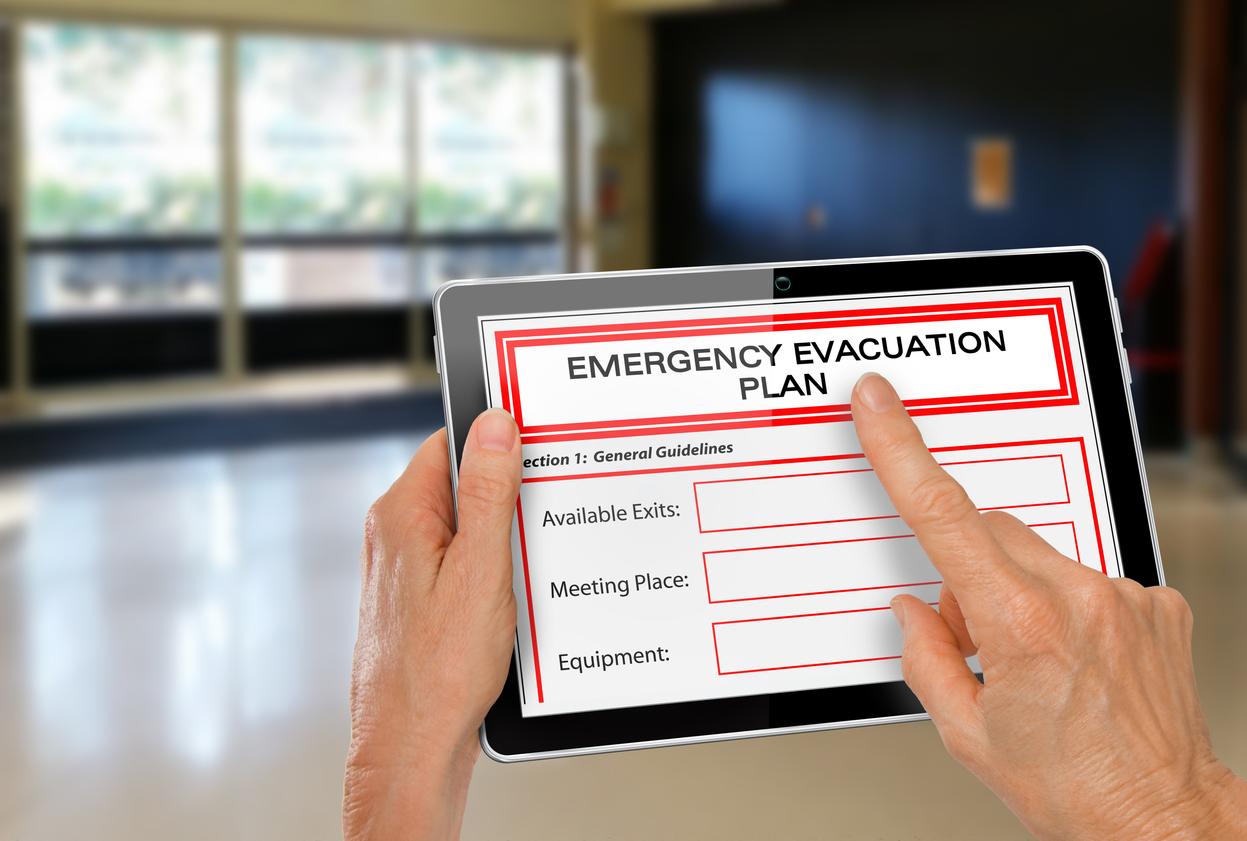
Planning Ahead: Why Businesses Should Prepare Evacuation Strategies
Organizations operating in emerging markets or high-risk regions should not wait until a crisis occurs before considering evacuation options.
Advance planning allows businesses to:
-
Identify reliable aviation partners
-
Establish emergency communication protocols
-
Secure documentation and travel permissions
-
Coordinate logistics and transportation networks
Companies with established evacuation strategies can respond more effectively when unexpected disruptions occur.
For multinational companies, humanitarian organizations, and investors working across Africa and other developing markets, this preparation is an important element of risk management.
The Role of Logistics Partners in Emergency Evacuations
Successful evacuations require more than aircraft availability. Coordinating supply chains, transport routes, security teams, and travel documentation demands experienced logistics management.
Logistics partners can support evacuation operations by:
-
Organizing secure ground transportation to airports
-
Coordinating travel documentation and customs procedures
-
Managing supply logistics for personnel in transit
-
Monitoring regional developments that may affect transport routes
Organizations involved in international trade or operations often rely on established supply chain partners to assist with these complex arrangements.
With experience in international sourcing, logistics coordination, and cross-border operations, Wigmore Trading supports businesses navigating challenging operational environments across Africa and global markets. In situations where logistics disruptions or emergency movements arise, having experienced supply chain support can help ensure smoother coordination and safer outcomes.
Conclusion
In unstable regions, rapid and well-coordinated evacuations can protect personnel and maintain operational continuity. Private jet evacuation services in conflict zones offer the speed, flexibility, and security needed when commercial travel options are unavailable.
However, successful evacuations depend on more than aviation alone. Careful planning, compliance management, ground logistics, and reliable partners all contribute to safe and efficient operations.
For businesses operating in high-risk environments, building relationships with experienced logistics and supply chain providers can significantly improve emergency response capabilities.
Wigmore Trading can help. Contact Wigmore Trading today to streamline your sourcing and logistics coordination.




Comments are closed.