
Profitable Textile Materials Import from China to Nigeria

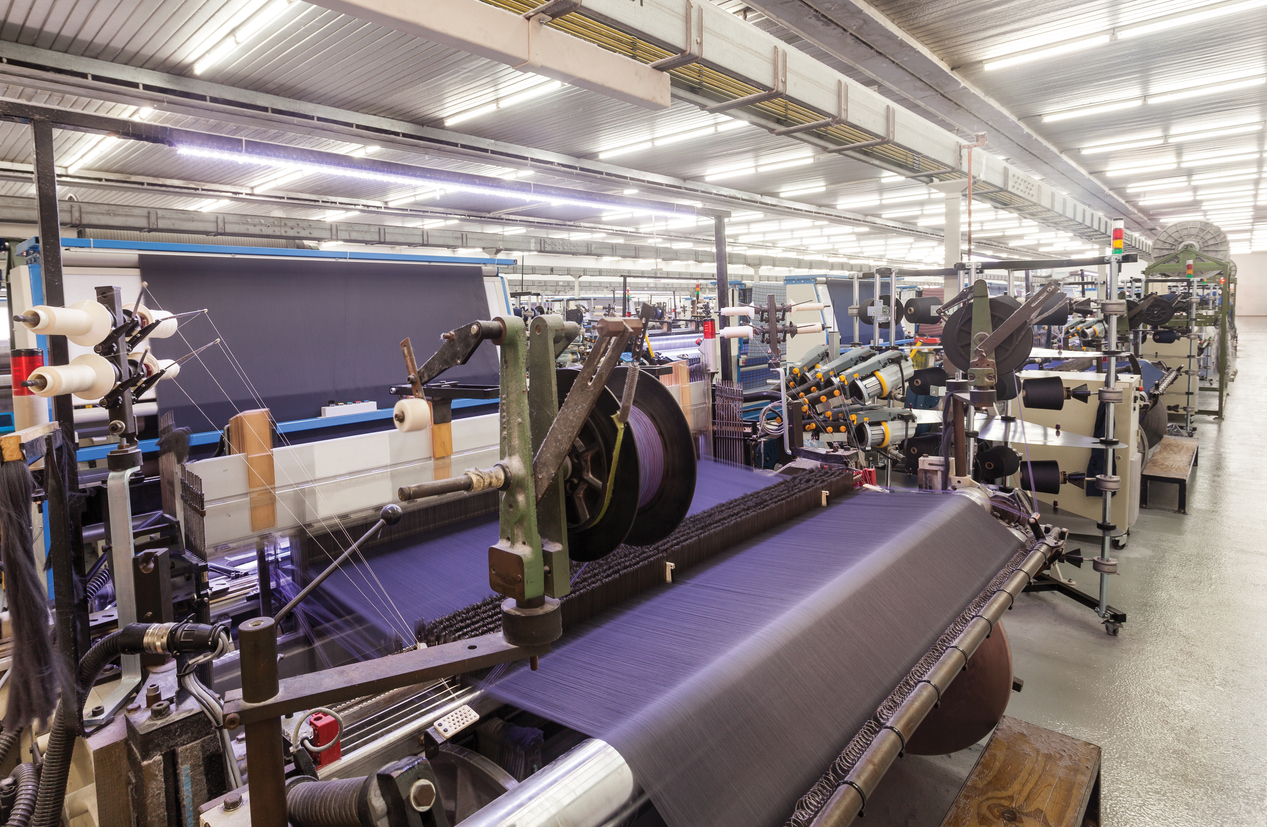
Nigeria’s demand for fabrics and garments continues to grow, driven by fashion designers, uniform contracts, home textiles, and the wider FMCG and retail sectors. For importers, wholesalers, and distributors, textile materials import from China to Nigeria offers access to a wide range of fabrics at competitive prices – but only when managed correctly.
From supplier selection in China to customs clearance in Lagos or Port Harcourt, every step must be controlled to protect margins and avoid delays. This is where structured processes and experienced partners such as Wigmore Trading make a measurable difference.
Understanding Textile Materials Import from China to Nigeria
Textile materials import from China to Nigeria typically covers:
-
Woven and knitted fabrics (cotton, polyester, blends)
-
Denim, Ankara-style prints, wax prints
-
Lining fabrics and interlining
-
Home textiles such as bedsheets, curtains, and upholstery materials
-
Industrial and technical textiles used in manufacturing or packaging
Before placing any order, importers should clarify:
-
End use: fashion retail, uniforms, industrial use, or wholesale resale
-
Technical specifications: GSM (weight), composition, colour fastness, shrinkage tolerance, and finishing
-
Packaging: bale, roll, or carton, with clear labelling for easy handling and resale
Wigmore Trading can help translate these practical requirements into precise purchase specifications, minimising disputes between Nigerian buyers and Chinese suppliers.
Regulatory Requirements for Textile Materials Import from China to Nigeria
Compliance is a critical success factor in textile materials import from China to Nigeria. While exact rules can change and should always be checked at the time of shipment, importers generally need to consider:
-
Form M: Opened through an authorised Nigerian bank before shipment, covering product description, HS codes, and values.
-
Pro forma and commercial invoices: Clearly itemised with unit prices, total values, and Incoterms (FOB, CIF, etc.).
-
Packing list and bill of lading: Matching quantities and descriptions to avoid inspection issues.
-
SON requirements: Textiles may fall under standards overseen by the Standards Organisation of Nigeria (SON). Depending on the product, pre-shipment conformity assessment or SONCAP documentation may be required.
Customs will also assess import duty, VAT, and any applicable levies based on HS classification. Because tariff schedules are updated from time to time, importers should verify current rates before committing to pricing. Wigmore Trading works with local clearing agents and compliance specialists to ensure documentation aligns with current Nigerian customs expectations.
Choosing Reliable Chinese Suppliers for Textile Materials
The Chinese textile market is vast, with suppliers ranging from small workshops to large, vertically integrated mills. Choosing the right partner is just as important as negotiating the right price.
Key steps include:
-
Background checks: Reviewing business licenses, export history, and references.
-
Sampling and lab testing: Verifying quality, colour consistency, and performance claims before bulk orders.
-
Factory visits or third-party audits: Assessing production capacity, quality systems, and lead-time reliability.
-
Clear contracts: Defining specs, tolerances, delivery schedules, payment terms, and remedies for defects.
Wigmore Trading can help Nigerian buyers navigate this supplier landscape, shortlist reputable manufacturers, coordinate sampling, and set up quality control protocols in China before goods are shipped.
Cost Structure of Textile Materials Import from China to Nigeria
Understanding the full landed cost is essential to maintain profitable margins in a competitive textile market. The main cost components usually include:
-
Ex-factory or FOB price: Base cost of the fabric from the Chinese supplier.
-
International freight: Ocean (FCL or LCL) or airfreight, plus local charges at the origin port.
-
Insurance: Often minimal per shipment but important for risk management.
-
Destination costs: Terminal handling charges, customs inspection fees, documentation charges, and clearing agent fees in Nigeria.
-
Duties and taxes: Import duty, VAT, and levies based on HS classification.
-
Inland transport: From Nigerian port to warehouse or distribution centre.
By consolidating shipments, optimising container utilisation, and planning shipment schedules, Wigmore Trading helps importers reduce per-unit costs and avoid surprises that can erode profits.
Logistics and Shipping for Textile Materials Import from China to Nigeria
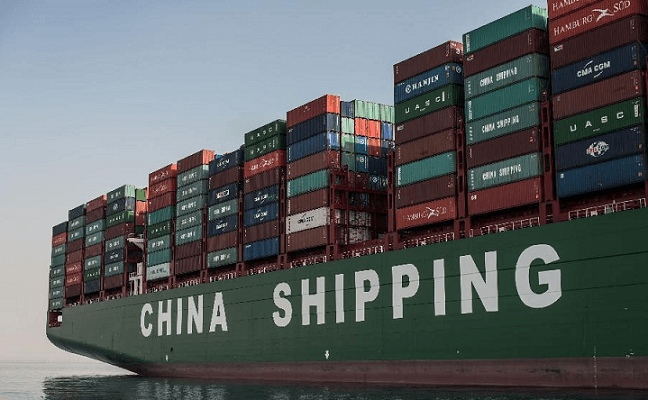
Logistics planning can be the difference between smooth textile materials import from China to Nigeria and delayed, congested shipments that tie up working capital.
Key considerations include:
-
Mode of transport:
-
Ocean freight (FCL or LCL) is most common for bulk textiles, offering lower cost per unit.
-
Airfreight is reserved for urgent orders or high-value fashion materials where speed is critical.
-
-
Port choice: Shipments may load from major Chinese ports such as Shanghai, Ningbo, or Qingdao and discharge at Nigerian ports such as Apapa, Tin Can Island, or Onne. The choice will affect transit times and local handling costs.
-
Consolidation: Importers buying from multiple Chinese suppliers can reduce costs by consolidating textile materials into one container. This also simplifies customs clearance and documentation.
-
Warehouse and distribution: Depending on the business model, goods may be stored in Nigerian warehouses for wholesale distribution, or moved directly to retailers and manufacturers. Wigmore Trading offers warehousing and distribution solutions that align with different sales strategies.
How Wigmore Trading Supports Textile Materials Import from China to Nigeria
Wigmore Trading combines sourcing, logistics, and local market knowledge to support textile materials import from China to Nigeria in a practical, end-to-end way. Support can include:
-
Identifying and vetting reliable textile manufacturers in key production regions of China
-
Coordinating samples, quality checks, and pre-shipment inspections
-
Consolidating goods from multiple suppliers into optimised containers
-
Arranging international freight, insurance, and documentation
-
Working with experienced Nigerian customs brokers to ensure compliant, timely clearance
-
Managing warehousing, stock handling, and final delivery to wholesale, retail, or manufacturing customers
Instead of coordinating multiple separate providers, importers can work with a single partner that understands both Chinese supply markets and Nigerian distribution realities.
Conclusion: Making Textile Materials Import from China to Nigeria Sustainable
Textile materials import from China to Nigeria offers long-term opportunities for traders, wholesalers, and manufacturers – provided that quality, compliance, cost, and logistics are carefully managed. By clarifying product specifications, staying current with Nigerian regulations, and building relationships with reliable Chinese suppliers, businesses can protect their margins and secure dependable supply.
Wigmore Trading can help at every stage – from supplier sourcing and shipment planning to customs clearance and distribution in Nigeria – so that your textile imports support sustainable, profitable growth.
Wigmore Trading can help. Contact Wigmore Trading today to streamline your sourcing.





Comments are closed.