
How to Reduce Food Spoilage in Nigeria: Practical Supply Chain Solutions

Food spoilage remains a major challenge in Nigeria’s agricultural and FMCG sectors. Despite strong production levels in crops such as tomatoes, cassava, and fruits, a significant percentage of food is lost before reaching consumers. Addressing this issue is critical not only for food security but also for improving profitability across the supply chain.
This article explores practical, industry-relevant strategies to reduce food spoilage in Nigeria, focusing on logistics, storage, and distribution improvements.
Understanding the Causes of Food Spoilage in Nigeria
To effectively reduce food spoilage in Nigeria, it is important to understand the key drivers:
- Poor transportation infrastructure leading to delays
- Lack of cold chain logistics for perishable goods
- Inadequate storage facilities at farms and markets
- Inefficient distribution networks
- Limited access to modern packaging solutions
These challenges are particularly evident in rural farming areas, where produce often deteriorates before reaching urban markets.
Improving Cold Chain Logistics to Reduce Food Spoilage in Nigeria
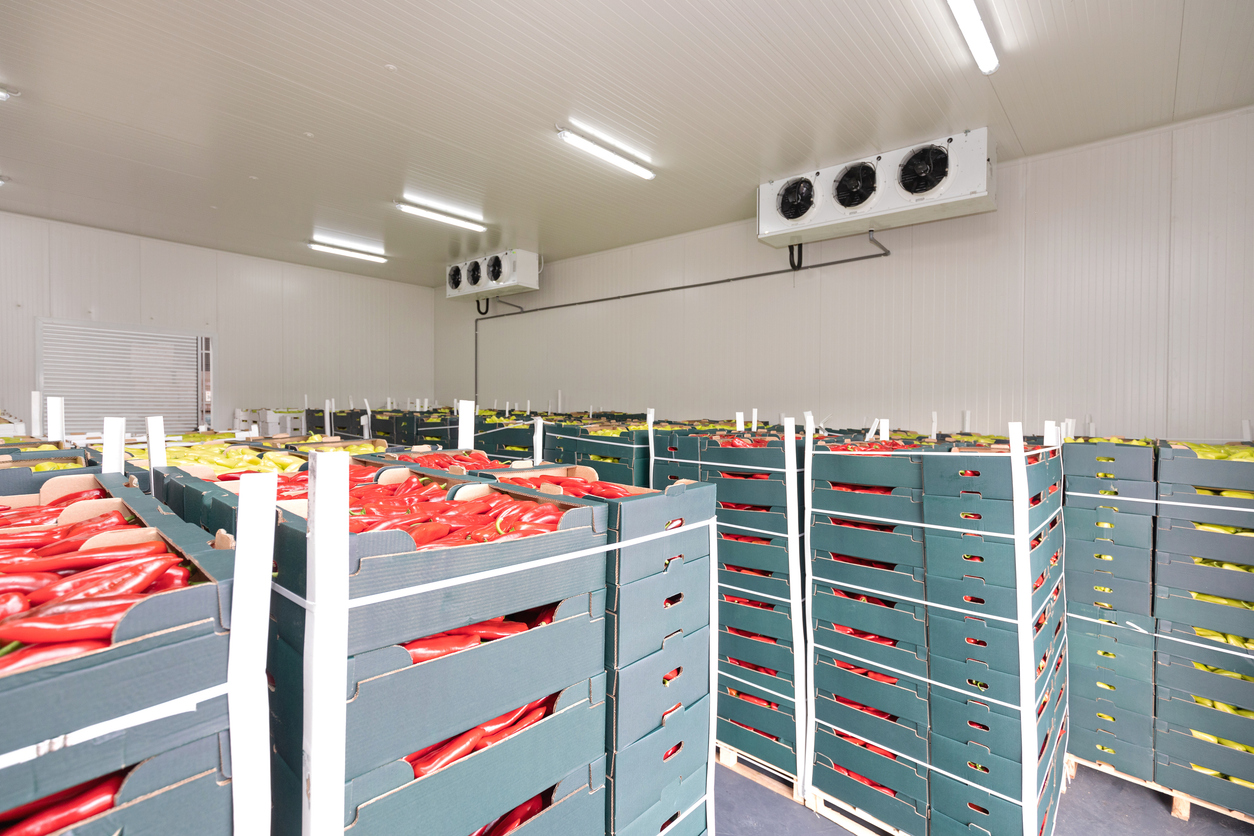
One of the most effective ways to reduce food spoilage in Nigeria is through the development of cold chain systems.
Cold chain logistics involve temperature-controlled storage and transportation, which is essential for perishable goods such as:
- Fresh produce (vegetables and fruits)
- Dairy products
- Meat and seafood
Investing in refrigerated trucks, cold rooms, and mobile cooling solutions can significantly extend shelf life and maintain product quality.
For businesses operating in import/export or FMCG distribution, working with logistics partners who provide temperature-controlled services ensures that goods remain in optimal condition throughout transit.
Enhancing Storage Infrastructure Across the Supply Chain
Another critical factor in reducing spoilage is access to proper storage facilities. Many farmers rely on traditional storage methods that are not suitable for preserving perishable goods.
Key improvements include:
- Warehousing with climate control systems
- Use of hermetic storage for grains
- Solar-powered cold storage units in rural areas
- Modern inventory management systems to track stock
By improving storage at both the production and distribution stages, businesses can reduce losses and improve supply chain efficiency.
Wigmore Trading supports clients by sourcing and managing storage solutions tailored to local conditions, helping businesses maintain product quality from origin to market.
Optimising Transportation and Distribution Networks
Inefficient transport systems contribute heavily to spoilage, especially for goods traveling long distances.
To reduce food spoilage in Nigeria, businesses should focus on:
- Route optimisation to minimise transit time
- Consolidated shipping to reduce handling delays
- Reliable last-mile delivery systems
- Partnering with experienced logistics providers
Efficient distribution ensures that products reach markets faster, reducing the risk of deterioration.
Companies like Wigmore Trading play a key role in coordinating logistics, ensuring that goods move efficiently through ports, warehouses, and distribution channels.
Adopting Better Packaging Solutions
Packaging is often overlooked but plays a vital role in preserving food quality.
Effective packaging solutions include:
- Ventilated crates for fresh produce
- Vacuum sealing for processed foods
- Moisture-resistant materials
- Stackable and durable packaging to reduce damage during transport
Improved packaging not only reduces spoilage but also enhances product presentation and market value.
Leveraging Technology and Data for Supply Chain Efficiency
Digital tools can significantly help reduce food spoilage in Nigeria by improving visibility and coordination across the supply chain.
Useful technologies include:
- Real-time tracking systems for shipments
- Inventory management software
- Demand forecasting tools
- Mobile platforms connecting farmers to buyers
These tools enable businesses to make informed decisions, reduce delays, and minimise waste.
Strengthening Partnerships Across the Value Chain
Reducing food spoilage requires collaboration between farmers, distributors, logistics providers, and retailers.
Strong partnerships help to:
- Align supply with demand
- Improve coordination in transportation and storage
- Share resources such as warehouses and cold storage
- Ensure compliance with quality standards
Wigmore Trading works closely with suppliers, manufacturers, and distributors to streamline sourcing and logistics, helping businesses reduce losses and improve efficiency.
Conclusion
To successfully reduce food spoilage in Nigeria, businesses must take a comprehensive approach that includes improving cold chain logistics, upgrading storage infrastructure, optimising transportation, and adopting better packaging and technology.
Addressing these challenges not only reduces waste but also increases profitability and strengthens the overall supply chain.
Wigmore Trading can help. Contact Wigmore Trading today to streamline your sourcing, logistics, and distribution operations.





Comments are closed.