
How to Reduce Generator Cost in Factory in Nigeria

Introduction
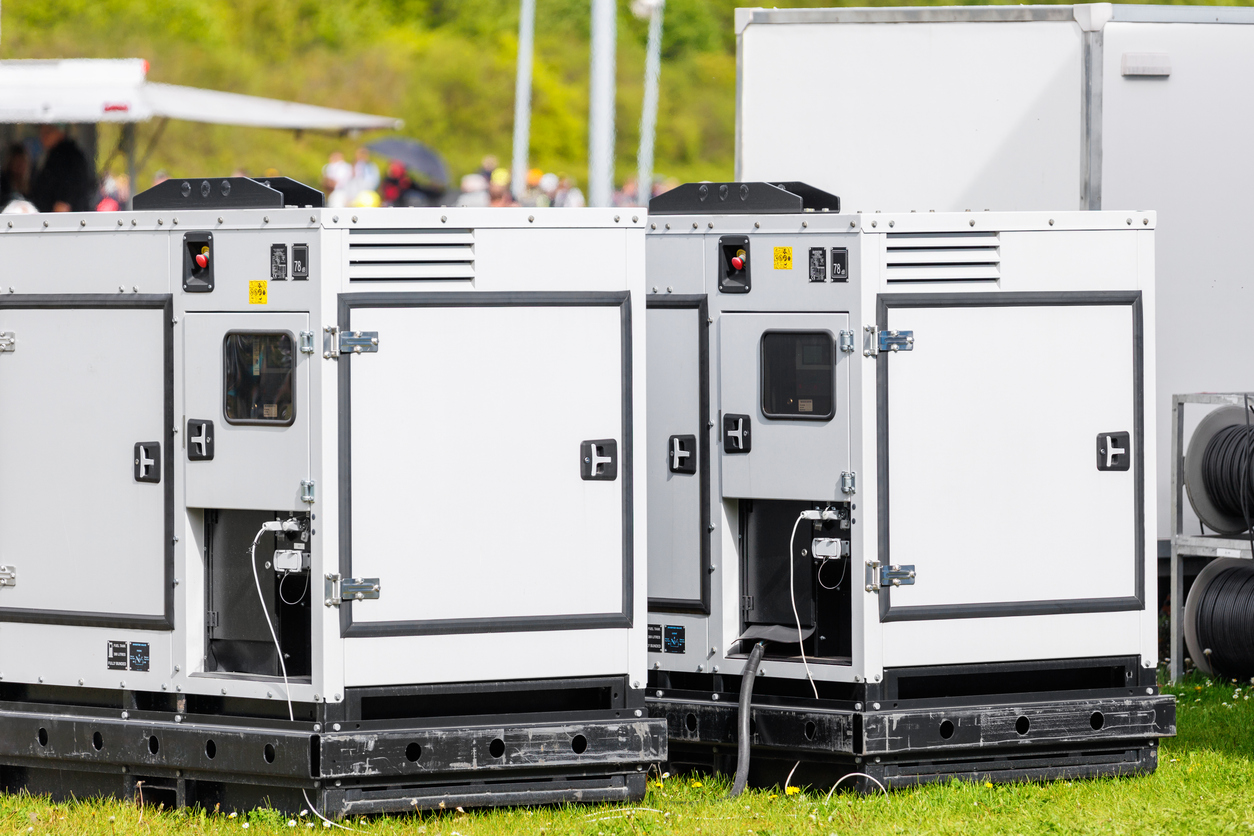
For many factories in Nigeria, generators remain a critical source of power due to inconsistent grid electricity. However, rising diesel prices and maintenance costs can significantly impact production margins. Understanding how to reduce generator cost in factory in Nigeria is essential for maintaining profitability and operational efficiency.
This article outlines practical, industry-relevant strategies manufacturers can implement to reduce fuel consumption, improve generator efficiency, and optimise overall energy costs.
1. Conduct an Energy Audit
The first step in reducing generator costs is identifying where energy is being wasted. An energy audit helps factories understand consumption patterns, peak load times, and inefficiencies.
Common issues uncovered during audits include:
-
Overloaded or underloaded generators
-
Inefficient machinery consuming excess power
-
Poor wiring and power losses
By addressing these inefficiencies, factories can reduce unnecessary generator usage and fuel consumption.
2. Right-Size Your Generator Capacity
Using a generator that is too large or too small for your factory’s needs leads to inefficiency. Oversized generators consume more fuel than necessary, while undersized ones strain under load and require frequent maintenance.
Factories should:
-
Match generator capacity to actual load demand
-
Use multiple smaller generators for flexible load management
-
Regularly review power requirements as operations scale
Working with experienced sourcing and technical partners like Wigmore Trading can help businesses procure generators that align with operational needs.
3. Optimise Fuel Management
Fuel accounts for the largest portion of generator costs. Poor fuel management practices can lead to wastage, theft, and inefficiency.
To reduce fuel costs:
-
Implement fuel monitoring systems
-
Store diesel properly to prevent contamination
-
Purchase fuel in bulk from reliable suppliers
Efficient procurement and supply chain management are critical. Wigmore Trading supports factories by sourcing high-quality fuel and managing logistics to ensure consistent supply at competitive rates.
4. Maintain Generators Regularly
Poor maintenance significantly increases fuel consumption and repair costs. Regular servicing ensures generators run efficiently and reduces the risk of breakdowns.
Key maintenance practices include:
-
Changing oil and filters on schedule
-
Cleaning fuel injectors
-
Checking load balance and electrical connections
Preventive maintenance not only lowers fuel consumption but also extends equipment lifespan, reducing long-term capital expenditure.
5. Invest in Energy-Efficient Equipment
Outdated machinery consumes more power, increasing generator load and fuel usage. Upgrading to energy-efficient equipment can significantly reduce energy demand.
Examples include:
-
High-efficiency motors
-
LED lighting systems
-
Automated production lines
Although the initial investment may be higher, the long-term savings on fuel and maintenance often justify the upgrade.
6. Implement Hybrid Power Solutions
Many Nigerian factories are now adopting hybrid energy systems that combine generators with alternative power sources such as solar.
Benefits of hybrid systems include:
-
Reduced generator runtime
-
Lower fuel consumption
-
Improved sustainability
Solar can handle daytime operations, while generators serve as backup during peak demand or low sunlight conditions. Wigmore Trading can assist with sourcing and integrating such solutions into existing operations.
7. Improve Load Management Practices
Running generators inefficiently—such as operating them at low loads—wastes fuel. Proper load management ensures generators operate within optimal performance ranges.
Best practices include:
-
Consolidating operations during peak production hours
-
Turning off non-essential equipment
-
Using load-sharing systems
This approach maximises fuel efficiency and reduces unnecessary wear on equipment.
8. Strengthen Supply Chain Efficiency
Operational inefficiencies, such as production delays or poor logistics, can increase generator runtime. Streamlining supply chain processes reduces downtime and energy consumption.
Factories should focus on:
-
Efficient inventory management
-
Reliable sourcing of raw materials
-
Timely distribution planning
Wigmore Trading supports businesses across Nigeria by improving sourcing, logistics, and distribution, helping reduce operational inefficiencies that indirectly drive up generator costs.
Conclusion
Reducing generator cost in factory operations in Nigeria requires a combination of technical optimisation, efficient energy management, and strong supply chain practices. From conducting energy audits to adopting hybrid power solutions, manufacturers can significantly lower fuel expenses and improve profitability.
By leveraging expert sourcing, logistics, and operational support, businesses can implement sustainable solutions that reduce dependence on costly generator power.
Wigmore Trading can help. Contact Wigmore Trading today to streamline your sourcing.




Comments are closed.