
Refrigerated Warehouse in Nigeria: Supporting Cold Chain Efficiency for Growing Industries


Nigeria’s expanding food, pharmaceutical, and FMCG sectors increasingly rely on temperature-controlled storage to maintain product quality and safety. A refrigerated warehouse in Nigeria plays a critical role in preserving perishable goods, reducing waste, and enabling efficient distribution across local and regional markets.
As demand for fresh produce, frozen foods, and temperature-sensitive pharmaceuticals grows, businesses must invest in reliable cold chain solutions to remain competitive and compliant.
The Importance of a Refrigerated Warehouse in Nigeria
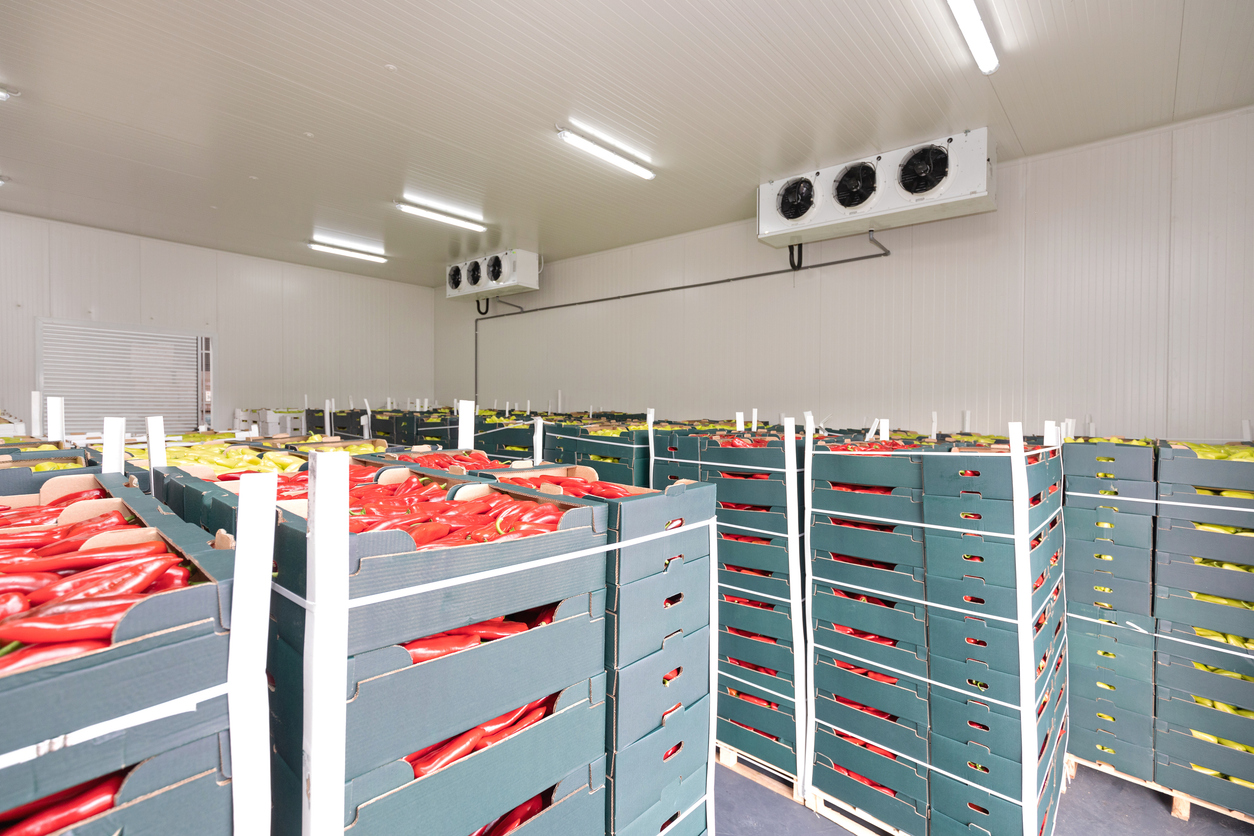
A refrigerated warehouse is designed to store goods at controlled temperatures, ensuring that products such as dairy, meat, seafood, vaccines, and processed foods remain safe for consumption or use.
In Nigeria, where high ambient temperatures and inconsistent infrastructure can compromise product integrity, cold storage facilities are essential for:
- Extending shelf life of perishable goods
- Reducing post-harvest losses
- Maintaining compliance with health and safety standards
- Supporting import and export of temperature-sensitive products
For businesses operating in import/export or wholesale distribution, access to reliable cold storage is not optional—it is a necessity.
Key Industries That Depend on Cold Storage
Several sectors in Nigeria rely heavily on refrigerated warehousing:
1. Food and Agriculture
Farmers, distributors, and retailers depend on cold storage to preserve fruits, vegetables, poultry, and seafood. Without it, spoilage rates remain high, especially during transportation.
2. Pharmaceuticals and Healthcare
Vaccines, insulin, and other medical products require strict temperature control. A well-managed refrigerated warehouse ensures compliance with regulatory standards and protects public health.
3. FMCG Distribution
Fast-moving consumer goods such as dairy products, frozen meals, and beverages require efficient cold chain logistics to reach consumers in optimal condition.
4. Import and Export Trade
Nigeria imports and exports a wide range of perishable goods. Cold storage facilities at ports and distribution hubs help maintain quality throughout the supply chain.
Common Challenges in Nigeria’s Cold Chain Infrastructure
Despite its importance, the cold chain ecosystem in Nigeria faces several challenges:
- Power Supply Issues: Frequent outages can disrupt temperature control
- High Operational Costs: Energy and maintenance costs for refrigeration systems are significant
- Limited Infrastructure: Insufficient number of modern refrigerated warehouses
- Logistics Gaps: Inconsistent transportation networks can break the cold chain
These challenges can lead to product losses, financial setbacks, and compliance risks.
Practical Solutions for Businesses
To overcome these barriers, businesses should adopt a strategic approach to cold chain management:
Invest in Reliable Storage Partners
Working with experienced logistics providers ensures access to well-maintained refrigerated warehouses with backup power systems and monitoring technology.
Implement Temperature Monitoring
Digital tracking systems help maintain consistent conditions and provide real-time alerts in case of deviations.
Optimize Distribution Networks
Efficient routing and coordination reduce transit time and minimize exposure to temperature fluctuations.
Ensure Regulatory Compliance
Adhering to local and international standards is essential, particularly for food and pharmaceutical products.
How Wigmore Trading Supports Cold Chain Operations
Navigating Nigeria’s cold chain landscape requires expertise, infrastructure, and reliable partnerships. Wigmore Trading supports businesses by providing access to trusted logistics networks, sourcing solutions, and distribution capabilities tailored to temperature-sensitive goods.
Through its experience in import/export and supply chain management, Wigmore Trading helps clients:
- Source high-quality products requiring cold storage
- Coordinate logistics with temperature-controlled handling
- Ensure compliance with regulatory standards
- Streamline distribution across Nigeria and beyond
By integrating cold chain solutions into broader supply chain strategies, businesses can reduce risk and improve operational efficiency.
Choosing the Right Refrigerated Warehouse in Nigeria
When selecting a cold storage facility, businesses should consider:
- Temperature Range Capabilities: Ability to handle chilled and frozen goods
- Power Backup Systems: Reliable generators or alternative energy sources
- Location: Proximity to ports, markets, or production sites
- Monitoring Technology: Real-time temperature tracking and reporting
- Compliance Standards: Certification and adherence to safety regulations
A well-chosen facility not only protects products but also enhances overall supply chain performance.
Conclusion
The role of a refrigerated warehouse in Nigeria is becoming increasingly vital as industries evolve and consumer demand for quality products rises. From agriculture to pharmaceuticals, cold storage enables businesses to maintain product integrity, reduce waste, and expand market reach.
However, success depends on reliable infrastructure, strategic planning, and experienced partners. Wigmore Trading can help.
Contact Wigmore Trading today to streamline your sourcing and cold chain logistics.



Comments are closed.