
Reliable Cold Storage for Food in Nigeria: A Practical Guide for Businesses

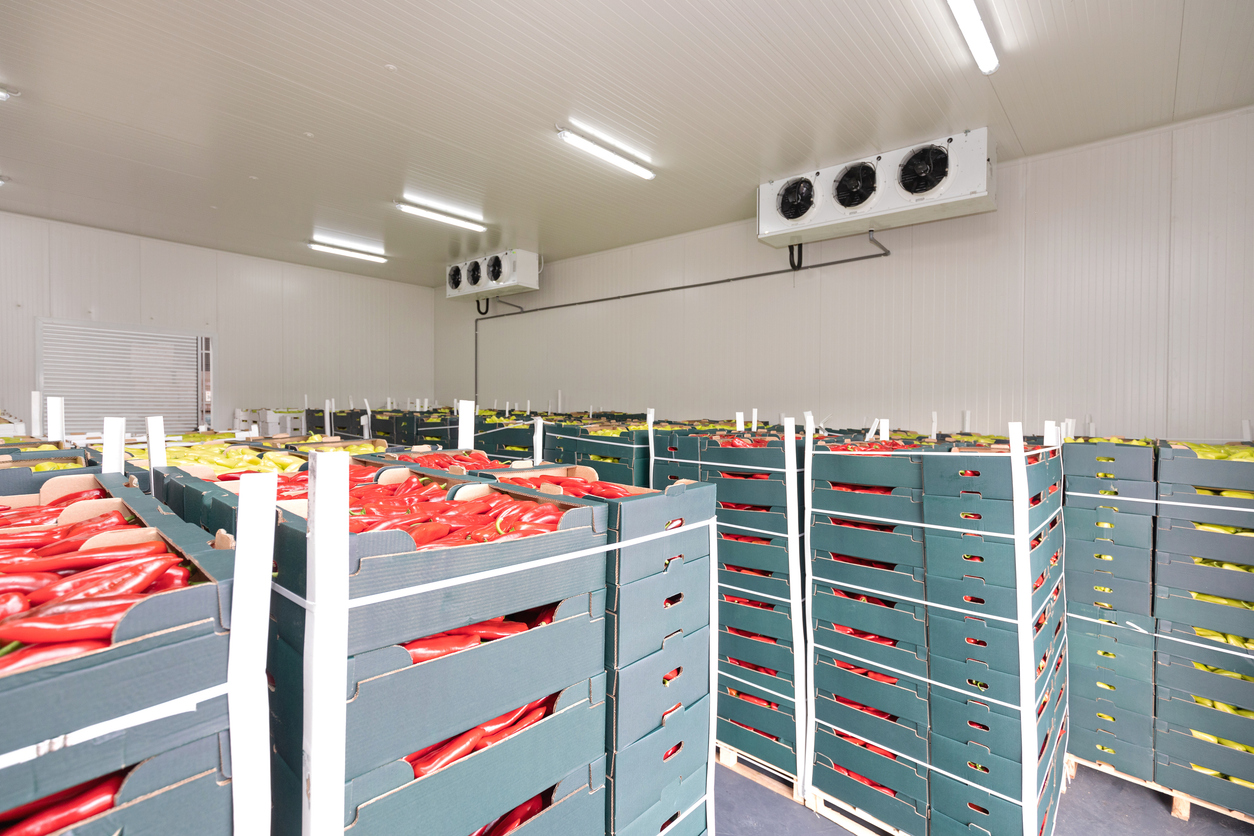
Cold storage plays a critical role in preserving food quality, reducing waste, and ensuring compliance with safety standards across Nigeria’s growing food and FMCG sectors. As demand for fresh and frozen goods increases, businesses must adopt efficient cold chain solutions to remain competitive and meet market expectations.
This article explores the importance of cold storage, common challenges in Nigeria, and practical ways businesses can optimize their operations.
Understanding Cold Storage in Nigeria’s Food Supply Chain
Cold storage refers to temperature-controlled facilities used to preserve perishable goods such as meat, seafood, dairy, fruits, and vegetables. In Nigeria, where high ambient temperatures can accelerate spoilage, maintaining consistent refrigeration is essential.
For importers, distributors, and wholesalers, cold storage is not just about preservation—it is also about maintaining product integrity from port arrival to final delivery.
Why Cold Storage for Food in Nigeria is Essential
1. Reducing Post-Harvest Losses
Nigeria faces significant food losses due to inadequate storage infrastructure. Cold storage helps extend shelf life, allowing businesses to reduce waste and improve profitability.
2. Supporting Import and Distribution
Imported frozen foods require strict temperature control throughout transit and storage. Without reliable cold storage, products can degrade before reaching consumers.
3. Ensuring Regulatory Compliance
Food safety regulations increasingly require proper handling and storage. Businesses using cold storage are better positioned to meet compliance standards and avoid penalties.
4. Enabling Market Expansion
Cold storage allows businesses to distribute products across wider geographic areas, including regions with limited access to fresh produce.
Key Challenges in Cold Storage for Food in Nigeria
Despite its importance, implementing effective cold storage systems comes with several challenges:
Power Supply Instability
Frequent power outages can disrupt refrigeration systems, leading to product spoilage. Backup generators and energy-efficient systems are often necessary but increase operational costs.
High Infrastructure Costs
Setting up cold storage facilities requires significant investment in equipment, insulation, and maintenance.
Limited Cold Chain Integration
In many cases, cold storage facilities are not fully integrated with transportation systems, resulting in temperature fluctuations during transit.
Logistics Bottlenecks
Delays at ports, poor road networks, and inefficient handling can compromise cold chain integrity.
Practical Solutions for Businesses
To overcome these challenges, businesses should adopt a strategic approach to cold storage and logistics.
Invest in Reliable Cold Chain Systems
Using modern refrigeration equipment with temperature monitoring ensures consistent storage conditions. Automated alerts can help prevent losses.
Partner with Experienced Logistics Providers
Working with a partner that understands Nigeria’s import/export landscape can significantly reduce risks. From customs clearance to inland transportation, integrated solutions help maintain temperature control throughout the supply chain.
Optimize Inventory Management
Efficient stock rotation and demand forecasting reduce the time products spend in storage, minimizing spoilage risks.
Use Strategic Warehouse Locations
Positioning cold storage facilities near ports or key distribution hubs reduces transit time and maintains product quality.
The Role of Wigmore Trading in Cold Storage and Logistics
Managing cold storage effectively requires coordination across sourcing, warehousing, and distribution. Wigmore Trading supports businesses by offering integrated supply chain solutions tailored to Nigeria’s unique market conditions.
For importers and distributors of frozen and perishable goods, Wigmore Trading can assist with:
- Sourcing high-quality food products from global suppliers
- Coordinating import processes and customs clearance
- Providing access to reliable warehousing and cold storage options
- Managing efficient distribution across Nigeria
By aligning logistics, compliance, and storage solutions, businesses can maintain product quality while reducing operational risks.
Best Practices for Maintaining Cold Storage Efficiency
To maximize the benefits of cold storage, businesses should follow these best practices:
- Regularly monitor and record temperature levels
- Train staff on proper handling procedures
- Maintain equipment through scheduled servicing
- Implement contingency plans for power outages
- Ensure seamless coordination between storage and transport
Adopting these measures helps maintain product integrity and supports long-term business growth.
Conclusion
Cold storage for food in Nigeria is a vital component of a resilient and efficient supply chain. While challenges such as power instability and infrastructure costs exist, businesses can overcome them through strategic planning, reliable partnerships, and modern technology.
By investing in proper cold chain systems and working with experienced logistics providers, companies can reduce waste, improve product quality, and expand their market reach.
Wigmore Trading can help. Contact Wigmore Trading today to streamline your sourcing.





Comments are closed.