
How a Restaurant Supply App in Nigeria is Transforming Food Businesses

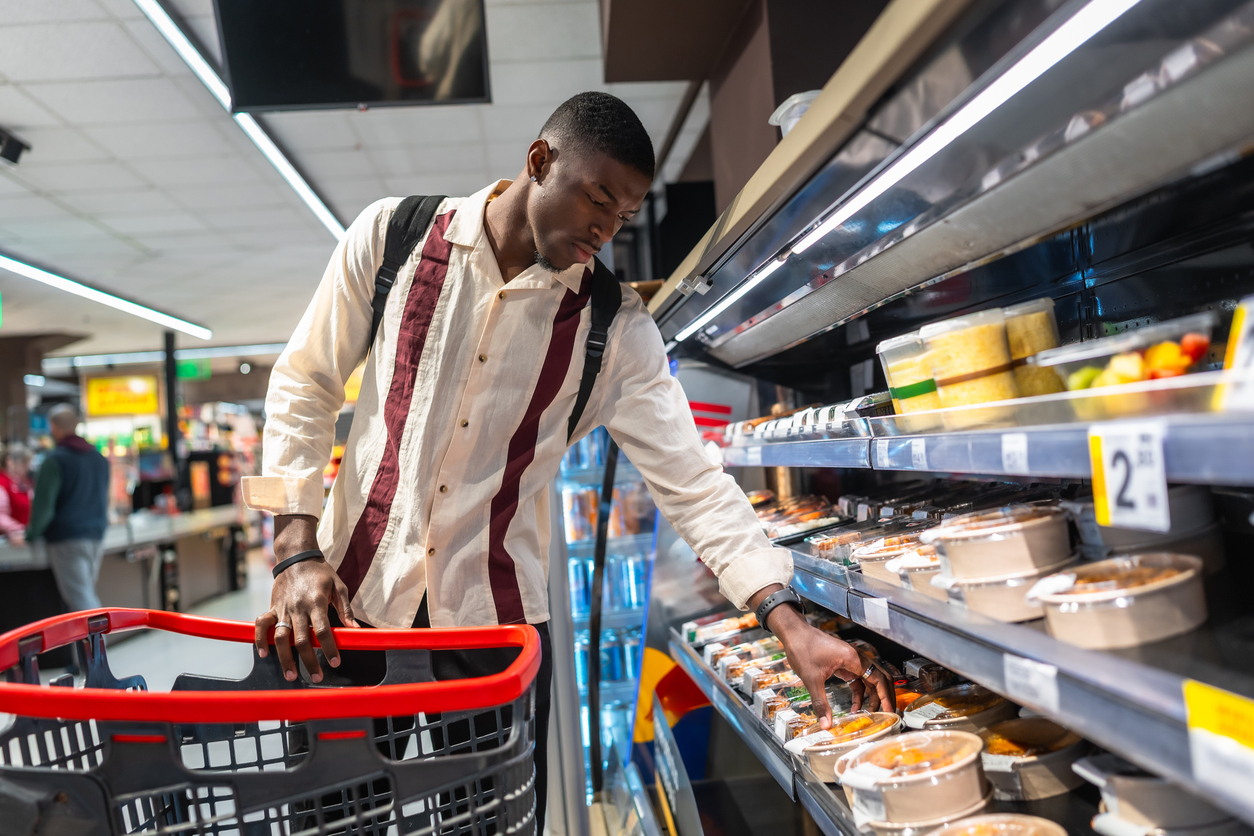
The Nigerian food service industry is evolving rapidly, driven by urbanisation, rising consumer demand, and the growth of quick-service restaurants. In this dynamic environment, efficiency in sourcing ingredients and supplies has become critical. A restaurant supply app in Nigeria is emerging as a practical solution, helping restaurants streamline procurement, reduce costs, and improve operational consistency.
This article explores how these platforms work, the challenges they address, and how businesses can integrate them into a reliable supply chain.
What is a Restaurant Supply App in Nigeria?
A restaurant supply app is a digital platform that connects food businesses—such as restaurants, hotels, caterers, and cloud kitchens—with suppliers of ingredients, packaging, and kitchen essentials.
These apps typically offer:
- Real-time product listings and pricing
- Bulk ordering options
- Delivery tracking
- Supplier comparisons
- Inventory management integration
In Nigeria, where supply chains can be fragmented and inconsistent, these apps help centralise procurement and improve visibility across sourcing processes.
Key Challenges in Restaurant Procurement
Before the rise of digital solutions, many restaurants relied on informal supplier networks. While this approach can work at a small scale, it often creates inefficiencies as businesses grow.
Inconsistent Supply
Restaurants frequently face stock shortages due to unreliable suppliers or seasonal fluctuations in availability.
Price Volatility
Food prices in Nigeria can change rapidly, making it difficult to maintain stable menu pricing and margins.
Logistics Constraints
Poor coordination between suppliers and delivery services can lead to delays, spoilage, or increased costs.
Lack of Transparency
Without centralised systems, restaurants struggle to compare suppliers or verify product quality consistently.
How a Restaurant Supply App in Nigeria Solves These Problems
Digital supply platforms address these issues by introducing structure and efficiency into procurement processes.
Centralised Supplier Access
Restaurants can source from multiple vetted suppliers in one place, reducing dependency on a single vendor.
Transparent Pricing
Apps provide clear pricing and allow businesses to compare options, helping them make cost-effective decisions.
Improved Logistics Coordination
Integrated delivery tracking ensures that orders arrive on time, reducing disruptions to kitchen operations.
Data-Driven Purchasing
With order history and analytics, restaurants can forecast demand more accurately and optimise inventory levels.
Benefits for Restaurants and Food Businesses
Adopting a restaurant supply app offers several operational and financial advantages.
Cost Efficiency
Bulk purchasing and supplier comparison help reduce procurement costs over time.
Time Savings
Automating orders eliminates the need for manual negotiations and repeated supplier communication.
Quality Consistency
Working with verified suppliers improves product quality and reduces the risk of substandard goods.
Scalability
As restaurants expand to multiple locations, digital procurement systems make it easier to maintain consistency across branches.
Integrating a Restaurant Supply App into Your Operations
While the benefits are clear, successful adoption requires a structured approach.
Assess Your Supply Needs
Identify the key categories you source regularly—such as fresh produce, dry goods, or packaging materials.
Evaluate Supplier Reliability
Even within an app, supplier performance can vary. Monitor delivery timelines, product quality, and responsiveness.
Combine Digital and Strategic Sourcing
Apps are effective for day-to-day procurement, but businesses may still need strategic partners for bulk imports or specialised products.
Monitor Inventory Closely
Use app data alongside internal systems to avoid overstocking or stockouts.
The Role of Strategic Supply Partners
While a restaurant supply app in Nigeria improves accessibility and convenience, it may not fully address complex supply chain requirements—especially for large-scale operations, imports, or specialised sourcing.
This is where experienced partners like Wigmore Trading play an important role.
Wigmore Trading supports businesses by:
- Sourcing high-quality food and FMCG products locally and internationally
- Managing import logistics and customs compliance
- Providing reliable bulk distribution across Nigeria
- Ensuring consistent supply for growing restaurant chains
By combining digital procurement tools with a trusted supply chain partner, restaurants can achieve both flexibility and stability.
Future Trends in Restaurant Supply in Nigeria
The adoption of supply apps is expected to increase as more businesses digitise their operations. Key trends include:
- Integration with POS and inventory systems
- Expansion of cold chain logistics for perishable goods
- Greater emphasis on supplier verification and traceability
- Increased use of data analytics for demand forecasting
These developments will further strengthen the efficiency and resilience of Nigeria’s food service supply chains.
Conclusion
A restaurant supply app in Nigeria is transforming how food businesses manage procurement, offering greater transparency, efficiency, and control. However, digital tools alone are not enough. Restaurants must also build strong supply chain partnerships to ensure consistency, especially as they scale.
By combining technology with reliable sourcing and logistics support, businesses can navigate market challenges more effectively and maintain high operational standards.
Wigmore Trading can help. Contact Wigmore Trading today to streamline your sourcing.


Comments are closed.