
The Role of Retailer Procurement Platforms in Nigeria’s Supply Chain Growth

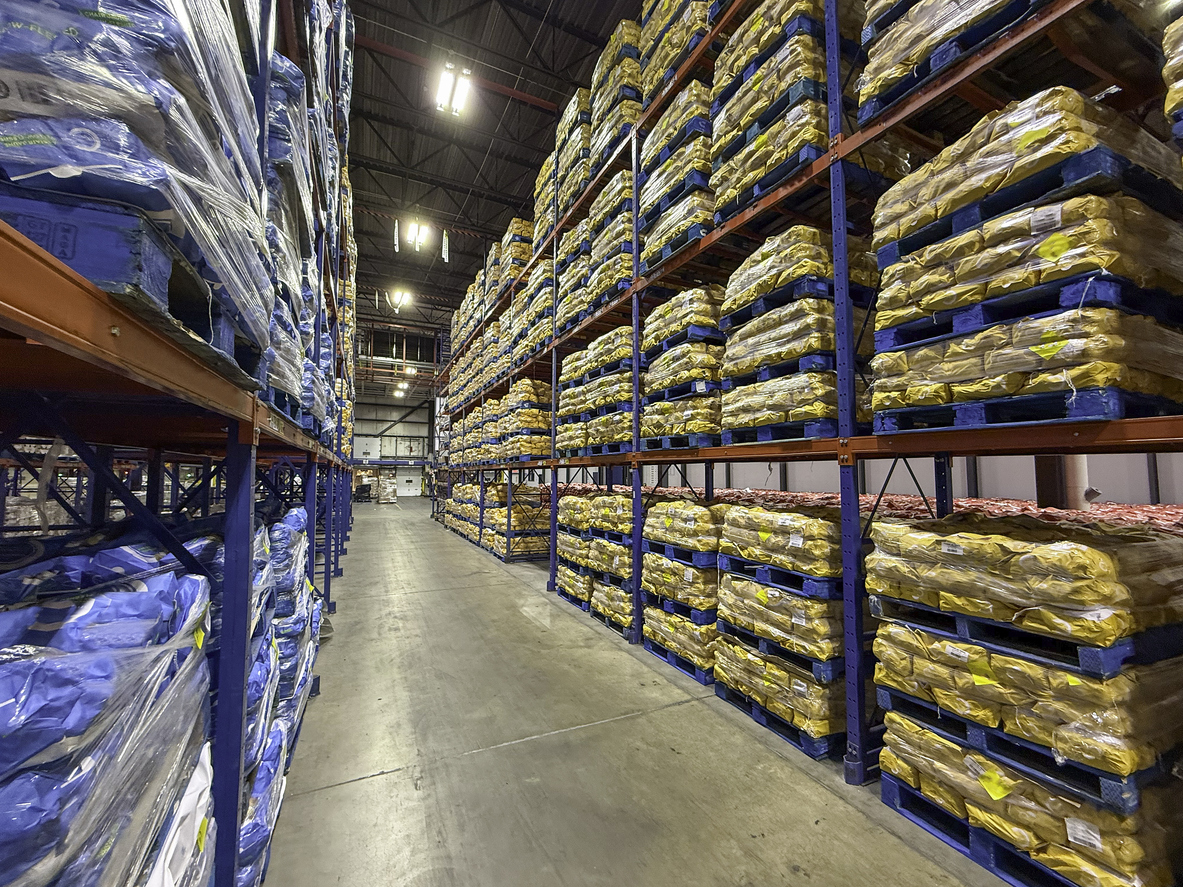
Nigeria’s retail and wholesale sectors are evolving rapidly, driven by urbanization, rising consumer demand, and increased cross-border trade. However, procurement remains one of the most challenging aspects of retail operations, particularly for businesses sourcing goods at scale.
A retailer procurement platform in Nigeria is emerging as a critical solution, helping businesses streamline sourcing, improve supplier relationships, and enhance supply chain efficiency. These platforms are especially valuable in sectors like FMCG, import/export, and wholesale distribution, where reliability and speed are essential.
Understanding Procurement Challenges in Nigeria
Retailers in Nigeria often face persistent procurement bottlenecks that limit growth and profitability.
Fragmented Supplier Networks
Many businesses rely on informal supplier relationships, making it difficult to verify quality, pricing consistency, and delivery timelines.
Price Volatility
Fluctuations in currency exchange rates and inconsistent supply chains often lead to unpredictable pricing, especially for imported goods.
Logistics Constraints
Poor infrastructure and limited coordination between suppliers and distributors can delay deliveries and increase operational costs.
Compliance and Documentation
Import/export processes require strict adherence to regulatory standards, which can be complex and time-consuming for retailers without proper support.
These challenges highlight the need for structured, technology-driven procurement systems.
What Is a Retailer Procurement Platform?
A retailer procurement platform is a centralized system that connects retailers with verified suppliers, enabling efficient sourcing, ordering, and inventory management.
Key features typically include:
- Supplier verification and onboarding
- Real-time pricing and product availability
- Order management and tracking
- Integrated logistics coordination
- Data analytics for demand forecasting
In Nigeria, such platforms are increasingly tailored to local market conditions, including currency fluctuations, regional logistics realities, and regulatory requirements.
Benefits for Nigerian Retailers and Distributors
Adopting a retailer procurement platform in Nigeria offers several tangible advantages.
Improved Supplier Access
Retailers gain access to a broader network of vetted suppliers, including local manufacturers and international exporters.
Cost Efficiency
Transparent pricing and bulk purchasing options help reduce procurement costs and improve margins.
Faster Order Fulfillment
Streamlined processes reduce delays, ensuring products reach shelves more quickly.
Inventory Optimization
Data-driven insights allow retailers to better manage stock levels, reducing waste and avoiding stockouts.
Enhanced Scalability
With structured procurement systems, businesses can expand operations without proportionally increasing complexity.
Supporting FMCG and Wholesale Distribution
The FMCG sector in Nigeria depends heavily on efficient procurement due to high turnover rates and demand variability.
Retailer procurement platforms help distributors:
- Source consistent volumes of essential goods
- Maintain quality standards across multiple locations
- Coordinate last-mile delivery more effectively
For wholesalers, these platforms provide visibility across supply chains, enabling better planning and reduced risk.
Enabling Export Opportunities in Africa
Procurement platforms also play a vital role in facilitating intra-African trade. For example, businesses involved in cocoa powder production for export in Africa require reliable sourcing of raw materials, standardized processing inputs, and efficient logistics.
A structured procurement system ensures:
- Consistent quality of cocoa inputs
- Compliance with export regulations
- Coordination between producers, processors, and exporters
By improving procurement processes, African exporters can meet international standards and compete more effectively in global markets.
The Role of Logistics and Compliance Integration
One of the key strengths of modern procurement platforms is their integration with logistics and compliance systems.
In Nigeria, this means:
- Coordinated shipping and warehousing solutions
- Real-time tracking of goods in transit
- Assistance with customs documentation and regulatory compliance
This integration reduces the administrative burden on retailers and ensures smoother operations across the supply chain.
Companies like Wigmore Trading support these processes by combining procurement expertise with logistics coordination and regulatory knowledge, helping businesses navigate complex supply environments more efficiently.
Choosing the Right Procurement Partner
While digital platforms provide the framework, successful procurement still depends on strong operational support.
Businesses should look for partners that offer:
- Reliable supplier networks across local and international markets
- Expertise in import/export regulations
- Integrated logistics and warehousing solutions
- Experience in FMCG and bulk commodity sourcing
Working with an experienced partner ensures that procurement systems deliver real-world results, not just theoretical efficiency.
Conclusion
The rise of the retailer procurement platform in Nigeria marks a significant shift toward more organized, transparent, and scalable supply chains. As demand grows across retail, wholesale, and export sectors, businesses that adopt structured procurement solutions will be better positioned to compete and expand.
From improving FMCG distribution to supporting industries like cocoa powder production for export in Africa, these platforms are transforming how goods move across the continent.
Wigmore Trading can help. Contact Wigmore Trading today to streamline your sourcing.



Comments are closed.