
Sea Freight China to UK Costs and Transit Times

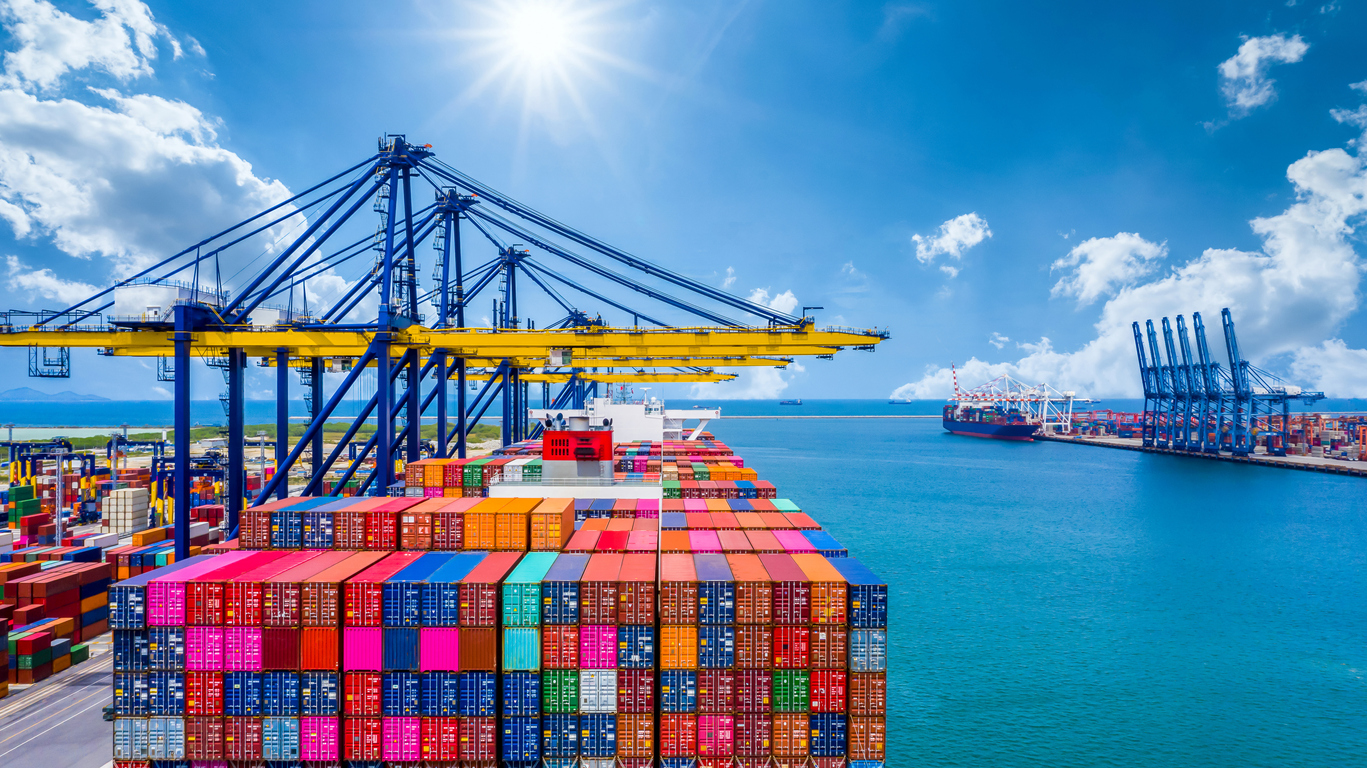
Sea freight China to UK remains one of the most cost-effective and reliable shipping methods for businesses importing goods at scale. As trade between China and the United Kingdom continues to grow across sectors such as FMCG, electronics, retail, and industrial supplies, understanding how ocean freight works is essential for managing costs, lead times, and supply chain risk.
For importers, wholesalers, and distributors, choosing the right sea freight strategy can significantly impact profitability. Wigmore Trading can help businesses streamline this process with tailored freight and sourcing solutions.
Why Choose Sea Freight from China to the UK?
Sea freight is the preferred option for bulk shipments and containerised cargo. Compared to air freight, it offers substantially lower costs per unit, making it ideal for large consignments and non-urgent goods.
Key advantages of sea freight China to UK include:
-
Lower shipping costs for full container load (FCL) and less than container load (LCL) shipments
-
Capacity for heavy, oversized, or high-volume goods
-
Reliable weekly sailings from major Chinese ports such as Shanghai, Ningbo, Shenzhen, and Qingdao to UK ports including Felixstowe, Southampton, and London Gateway
Transit times typically range from 28 to 40 days, depending on the route and port congestion. While slower than air freight, ocean freight provides predictable scheduling for businesses that plan inventory in advance.
FCL vs LCL: Choosing the Right Shipping Option
When shipping from China to the UK, importers must decide between FCL (Full Container Load) and LCL (Less than Container Load).
FCL shipping from China to UK is ideal when you have enough cargo to fill a 20ft or 40ft container. It offers better security, faster handling, and lower risk of damage since goods are not mixed with other consignments.
LCL shipping China to UK is more suitable for smaller shipments that do not justify a full container. While cost-effective for low volumes, it may involve longer handling times and additional consolidation fees.
Wigmore Trading works with trusted freight forwarders to advise clients on the most cost-efficient option based on shipment size, cargo type, and delivery timelines.
Key Costs in Sea Freight China to UK
Understanding the full cost structure is essential for accurate budgeting. Sea freight rates are influenced by:
-
Container size (20ft, 40ft, 40ft high cube)
-
Shipping line and route
-
Fuel surcharges and seasonal demand
-
Port handling and customs clearance fees
-
Inland transport within China and the UK
In addition to ocean freight charges, importers must account for UK customs duties, VAT, and import documentation requirements. Miscalculations at this stage can delay shipments and increase costs.
A practical solution is to work with an experienced partner like Wigmore Trading, who can coordinate freight booking, customs clearance, and inland haulage, reducing administrative burden and minimising risk.
Documentation and Customs Clearance
Proper documentation is critical when shipping from China to the UK. Required paperwork generally includes:
-
Commercial invoice
-
Packing list
-
Bill of lading
-
EORI number for UK importers
-
Certificate of origin (if applicable)
Errors in HS codes, declared values, or incomplete documentation can lead to customs delays, inspections, and unexpected charges. Ensuring compliance with UK import regulations post-Brexit is particularly important.
Wigmore Trading supports clients with documentation checks and compliance guidance, helping to avoid costly disruptions at UK ports.
Managing Risks in Ocean Freight
Global shipping can be affected by port congestion, container shortages, weather disruptions, and geopolitical events. Businesses relying on sea freight China to UK should build resilience into their supply chain.
Practical risk mitigation strategies include forecasting inventory accurately, booking shipments early during peak seasons, and diversifying suppliers where possible.
Working with an experienced trading and logistics partner ensures better communication with carriers and faster response to delays. Wigmore Trading can help importers manage lead times, secure competitive freight rates, and maintain steady stock flow.
Sea Freight and Supply Chain Strategy
For UK wholesalers, retailers, and distributors, sea freight is not just a transport decision—it is a strategic supply chain choice. Lower freight costs allow for better margins, especially in competitive sectors such as consumer goods, food products, and general merchandise.
Businesses importing from China must balance shipping costs with working capital tied up in inventory. By aligning shipment schedules with sales cycles, companies can optimise cash flow and reduce storage costs.
Wigmore Trading provides integrated sourcing and shipping support, enabling businesses to move goods efficiently from Chinese suppliers to UK warehouses.
Conclusion
Sea freight China to UK remains the backbone of international trade between the two markets. While it offers cost advantages and capacity for large shipments, success depends on careful planning, correct documentation, and proactive risk management.
By partnering with a reliable sourcing and logistics specialist, businesses can reduce freight costs, avoid delays, and strengthen their supply chain. Wigmore Trading can help.
Get in touch with our team to learn more about how we can support your China to UK shipping requirements.




Comments are closed.