
Smart Tax Residency Relocation from Nigeria

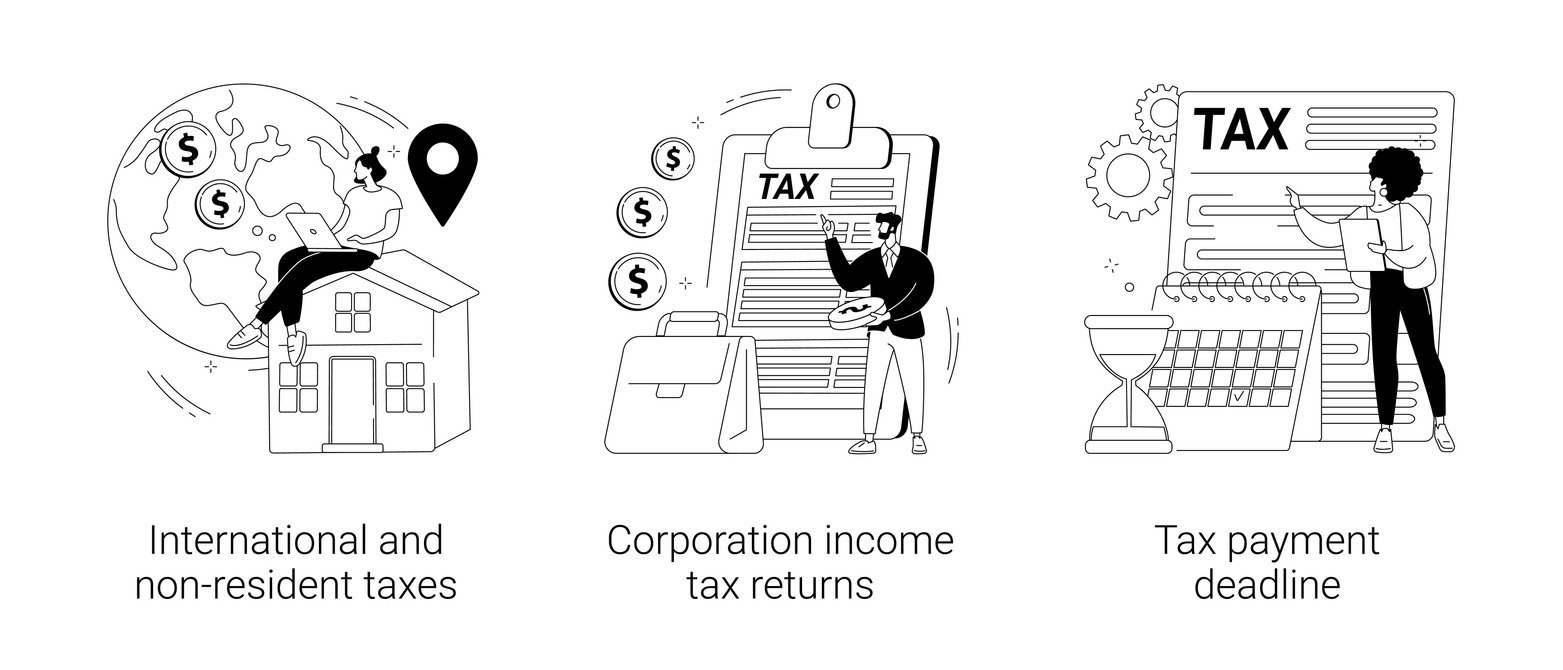
Tax residency relocation from Nigeria has become an important consideration for entrepreneurs, high-net-worth individuals and company directors involved in cross-border trade. As global supply chains become more interconnected and tax authorities worldwide increase scrutiny, understanding how tax residency works—and how to relocate it correctly—matters for anyone trading into or out of Nigeria.
Understanding tax residency relocation from Nigeria
“Tax residency relocation from Nigeria” refers to the process of changing your primary tax residence from Nigeria to another country, usually for reasons such as double taxation, more favourable tax regimes, business expansion or lifestyle changes.
In Nigeria, residency for tax purposes is generally linked to physical presence and ties such as permanent home, employment or business interests. Many trading and logistics professionals assume that once they spend more time abroad, they are no longer tax resident in Nigeria. In reality, the situation is more complex:
-
You may remain Nigerian tax resident even after moving, depending on time spent in-country and continuing ties.
-
You may also become tax resident in another country at the same time.
-
This can create double taxation risk if not properly planned and documented.
Because importers, exporters and distributors often travel frequently, it is easy to unintentionally trigger tax obligations in multiple jurisdictions.
Key considerations before tax residency relocation from Nigeria
Before taking steps, businesses and individuals should consider:
-
Legal definition of tax residency in Nigeria versus the destination country.
-
Double tax treaties (DTTs) between Nigeria and the new jurisdiction, which may reduce or eliminate double taxation on the same income.
-
Nature of income – trading profits, dividends, consulting fees, logistics services, royalties, property income, etc.
-
Permanent establishment risk – maintaining warehouses, offices or staff in Nigeria could create a taxable presence even after relocation.
For companies and trading entities, aligning tax residency relocation from Nigeria with corporate structure, banking, and supply chain design is essential. Restructuring may involve establishing entities in different jurisdictions, reviewing contract ownership of goods, and revisiting incoterms to manage tax exposure and customs obligations.
Practical steps in tax residency relocation from Nigeria
Relocating tax residency is not just about boarding a flight or opening a foreign bank account. It usually involves a series of administrative and documentation steps, which may include:
-
Obtaining legal residence or work permits in the destination country.
-
Meeting minimum physical presence or “days test” requirements there.
-
Updating Nigerian tax authorities on changes in status where appropriate.
-
Keeping detailed records of travel, accommodation and business activities.
-
Reviewing and updating contracts with suppliers, distributors and logistics partners.
For trading firms active across African markets, this process must be coordinated with customs, import/export regulations and banking compliance (such as foreign exchange controls and trade documentation).
How Wigmore Trading supports tax-aware relocation and structuring
While tax advice must always be given by qualified tax professionals, trade and logistics partners play a critical role in making tax-efficient structures work in practice.
Wigmore Trading operates across import/export, wholesale distribution, FMCG and logistics in multiple African and international markets. In the context of tax residency relocation from Nigeria, Wigmore Trading can:
-
Help design supply chain routes and distribution flows that align with your chosen operating base.
-
Support cross-border sourcing and procurement, ensuring that goods are purchased, consolidated and shipped in ways consistent with your legal and tax structure.
-
Coordinate with your legal and tax advisers to ensure that warehousing, shipping terms and documentation reflect where value is truly created and where companies are tax resident.
-
Provide reliable on-the-ground logistics in Nigeria even if management or ownership has relocated abroad, reducing operational disruption while maintaining compliance.
This integrated approach is especially valuable for businesses expanding from Nigeria into wider African, Middle Eastern or European markets.
Managing risk after tax residency relocation from Nigeria
Relocation does not end once you receive a new residency card. Ongoing risk management is essential:
-
Periodically review your residency status in both Nigeria and the new country.
-
Monitor regulatory and tax changes that may affect import/export or cross-border payments.
-
Ensure transfer pricing and intercompany transactions are properly documented for trading entities operating in more than one jurisdiction.
-
Maintain clear separation between Nigerian and non-Nigerian activities where required.
By combining sound professional tax advice with robust trading, sourcing and logistics support, businesses can reduce uncertainty, stabilise costs and focus on growth.
Conclusion
Tax residency relocation from Nigeria is a strategic decision that affects not just personal tax, but also how trading, sourcing and logistics operations are structured. For importers, exporters and distributors, planning ahead, understanding the rules in each jurisdiction and aligning supply chains with tax and legal advice are all essential steps.
Wigmore Trading can help align your sourcing, distribution and logistics with your relocation plans, so your trade flows remain efficient and compliant as your tax residency changes.





Comments are closed.