
Sodium Bisulfite Safety Data Sheet: A Practical Guide for Buyers

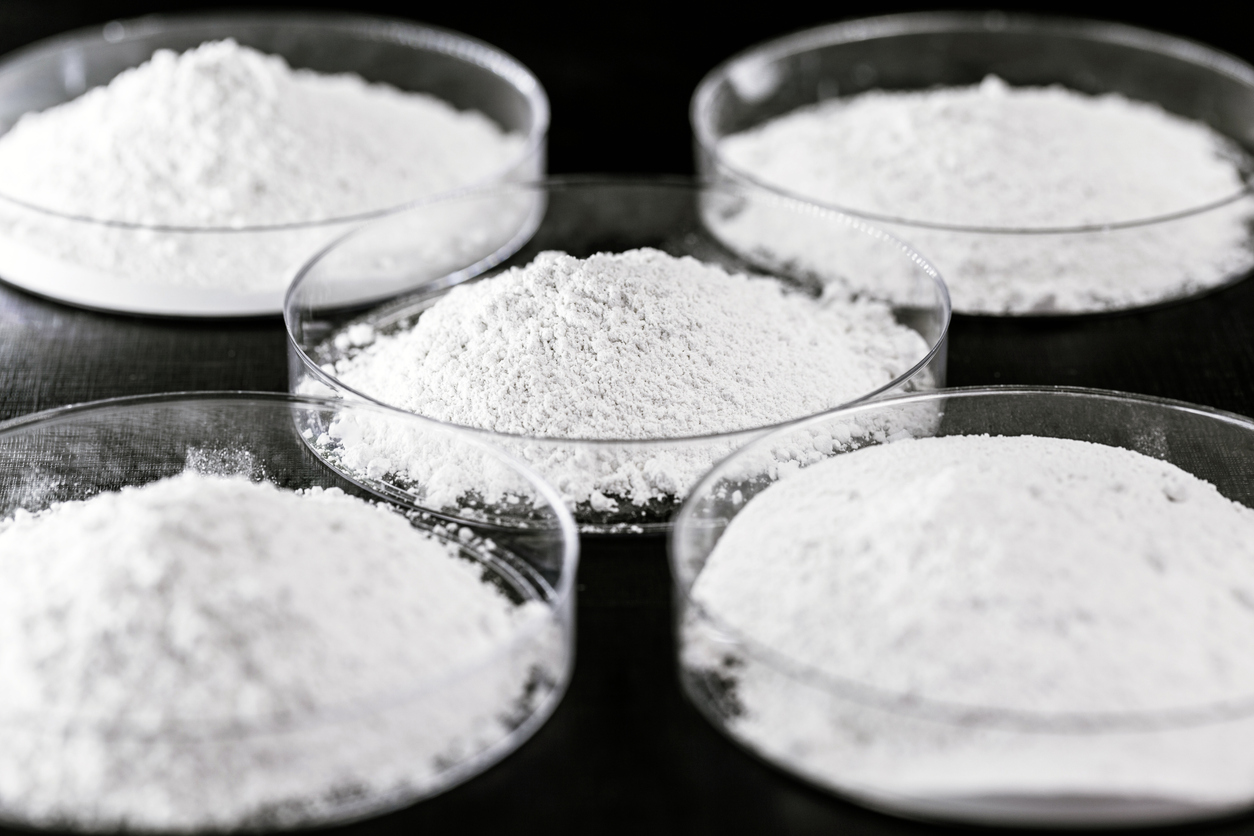
Handling sodium bisulfite safely starts with understanding its Safety Data Sheet (SDS). If you import, distribute, or use this chemical in food, water treatment, or industrial processes, the sodium bisulfite safety data sheet is not just paperwork – it is your blueprint for safe and compliant operations.
What Is a Sodium Bisulfite Safety Data Sheet?
A sodium bisulfite safety data sheet (also called SDS or MSDS) is a standardized document that explains the hazards, safe handling, storage, transport, and emergency measures for sodium bisulfite (often listed as sodium hydrogen sulfite, CAS 7631-90-5).
For businesses in import/export, wholesale distribution and African trade, the SDS is often required by:
-
Customs authorities
-
Occupational health and safety regulators
-
Insurers and corporate EHS teams
Wigmore Trading ensures that sodium bisulfite shipped to your facility is accompanied by the correct SDS and documentation for your market.
Key Hazards in the Sodium Bisulfite Safety Data Sheet
Most sodium bisulfite safety data sheets classify the substance as:
-
Harmful if swallowed
-
Irritating to eyes, skin and the respiratory system
-
Able to liberate sulfur dioxide (SO₂) gas when in contact with acids
-
Harmful to aquatic life in concentrated form
For your operations, this means sodium bisulfite must never be treated as a “low-risk” commodity. Basic engineering controls, training and personal protective equipment (PPE) are essential parts of your risk management plan.
Core Sections of a Sodium Bisulfite Safety Data Sheet
Identification and Composition
The sodium bisulfite safety data sheet identifies the substance by:
-
Chemical name (sodium bisulfite or sodium hydrogen sulfite)
-
CAS number and EC number
-
Purity or concentration range (for solids or solutions)
-
Supplier contact details and emergency telephone numbers
For buyers, this section confirms the exact product you are receiving and whether it is solid, solution, food grade or technical grade. It also provides the contact points you will need in case of an incident.
Hazards Identification in the Sodium Bisulfite SDS
This section explains:
-
The hazard classifications under GHS or local regulations
-
Signal word (for example “Warning”)
-
Hazard statements describing the main risks
-
Precautionary statements for prevention, response and disposal
Use this part of the SDS to decide on internal handling rules, labelling, and the level of training required for staff who work with or near sodium bisulfite.
First-Aid Measures in the Sodium Bisulfite Safety Data Sheet
Across different suppliers, first-aid advice follows the same pattern:
-
Inhalation: Move the person to fresh air. Keep them at rest and seek medical attention if symptoms such as coughing, shortness of breath or irritation persist.
-
Skin contact: Remove contaminated clothing. Wash the affected area with plenty of soap and water. Get medical advice if irritation develops.
-
Eye contact: Rinse cautiously with water for several minutes, holding the eyelids open. Remove contact lenses if present and easy to do. Seek medical attention.
-
Ingestion: Rinse mouth with water. Do not induce vomiting unless instructed by medical personnel. Call a physician or poison centre immediately.
Your site emergency procedures and training should mirror these instructions and be clearly displayed where sodium bisulfite is used or stored.
Fire-Fighting and Accidental Release Information
Sodium bisulfite itself is not flammable, but it can decompose in a fire to release irritating and toxic gases such as sulfur oxides. The SDS usually recommends:
-
Suitable extinguishing media (for example water spray, foam, dry powder)
-
Use of self-contained breathing apparatus for firefighters
-
Avoiding inhalation of fumes from decomposition
For spills and accidental releases, the sodium bisulfite safety data sheet typically advises:
-
Avoid creating or breathing dust
-
Contain and collect spilled material mechanically
-
Wash the area with plenty of water while preventing uncontrolled discharge to drains or surface waters
These instructions should be built into your spill-response plans and communicated to warehouse staff and transport partners.
Safe Handling and Storage Based on the SDS
Handling Guidance from the Sodium Bisulfite Safety Data Sheet
Common handling recommendations include:
-
Use only in well-ventilated areas or under local exhaust ventilation
-
Avoid breathing dusts, mists or vapours
-
Prevent contact with eyes, skin and clothing
-
Keep away from acids and strong oxidising agents
For importers and distributors, this means your warehouses and third-party logistics partners must understand that sodium bisulfite cannot be stored or handled like general non-hazardous goods. Clear internal procedures are required, especially where big bags, drums or IBCs are opened or repacked.
PPE and Exposure Controls for Sodium Bisulfite
Most sodium bisulfite safety data sheets recommend:
-
Eye/face protection: Safety goggles with side protection or a face shield where splashing is possible.
-
Hand protection: Chemical-resistant gloves (for example nitrile) selected according to breakthrough times.
-
Skin and body protection: Protective work clothing, aprons or coveralls.
-
Respiratory protection: Dust mask or respirator when handling powder in situations where dust can form.
Some jurisdictions also define workplace exposure limits for dusts and sulfur dioxide. Your risk assessment should combine SDS advice with local regulations to determine appropriate control measures.
Storage and Transport Instructions in the SDS
According to typical sodium bisulfite safety data sheets, storage should be:
-
In a cool, dry, well-ventilated area
-
Away from moisture for solid products, to avoid caking and decomposition
-
Away from acids and incompatible materials
-
In properly labelled, tightly closed containers
For bulk shipments into African ports, temperature and humidity control during sea freight and in bonded warehouses is especially important. Good storage practices reduce the risk of gas release, product degradation and customer complaints.
Why Importers and Distributors Need a Sodium Bisulfite Safety Data Sheet
If you supply sodium bisulfite for food, beverage, water treatment, pulp and paper, or other industrial applications, the SDS helps you to:
-
Demonstrate compliance with local health, safety and environmental laws
-
Pass audits by regulators and multinational customers
-
Train staff and contractors on safe handling practices
-
Provide accurate information to downstream customers
Having the correct SDS for the exact product grade and concentration also reduces delays at ports and simplifies customs clearance, particularly for shipments into and within Africa.
How Wigmore Trading Supports You with SDS and Supply
Wigmore Trading works with trusted global producers of sodium bisulfite and related sulphite products. Our support goes beyond simply delivering the chemical:
-
Product matching: We help you select the correct grade (for example food grade or technical grade, solid or solution) to fit your process requirements.
-
Documentation support: We provide the latest sodium bisulfite safety data sheet from the manufacturer and help you align it with your internal EHS documentation and training.
-
Logistics and consolidation: We arrange safe, compliant transport into key African hubs and coordinate with your local warehouses or distribution centres.
-
Ongoing supply assurance: We work to maintain consistent quality and documentation across repeat shipments, making your procurement easier to manage.
Whether you are a regional distributor, a water utility, or an FMCG manufacturer, Wigmore Trading can help you integrate sodium bisulfite safely and efficiently into your operations.
Next Steps: Using the Sodium Bisulfite Safety Data Sheet in Your Business
If you are planning to source sodium bisulfite or review your current compliance:
-
Request the latest sodium bisulfite safety data sheet from your supplier.
-
Compare the listed hazards, PPE and handling instructions with your current on-site practices.
-
Update staff training, signage and warehouse procedures where necessary.
Wigmore Trading can help. Contact Wigmore Trading today to streamline your sodium bisulfite sourcing and ensure that safety data and logistics are handled correctly from origin to delivery.





Comments are closed.