
South Korea Alternative Naphtha Sourcing for Petrochemicals: Managing Supply Risk and Market Volatility


South Korea is one of the world’s largest petrochemical producers, with naphtha serving as a critical feedstock for steam crackers that produce ethylene, propylene, and other essential petrochemical products. However, increasing supply volatility, geopolitical uncertainty, and fluctuations in crude oil markets are pushing companies to rethink their procurement strategies.
As a result, South Korea alternative naphtha sourcing for petrochemicals has become an important strategy for maintaining stable production, controlling costs, and strengthening supply chain resilience.
Why Naphtha Supply Is Critical for South Korea’s Petrochemical Industry
South Korea’s petrochemical sector relies heavily on imported naphtha to feed its large network of steam crackers. Major producers such as LG Chem, Lotte Chemical, and Hanwha Total depend on consistent supply to maintain high-capacity operations.
Naphtha is typically derived from crude oil refining and traded globally. For South Korea, this means imports from regions such as the Middle East, Southeast Asia, and occasionally Europe or the United States.
However, supply chains can be disrupted by several factors:
-
Refinery outages or production cuts
-
Geopolitical tensions affecting shipping routes
-
Crude oil price volatility
-
Export restrictions from key producing countries
-
Seasonal shifts in refinery output
These disruptions highlight why companies are increasingly focusing on South Korea alternative naphtha sourcing for petrochemicals to diversify supply and reduce operational risk.
Challenges Driving Alternative Naphtha Sourcing
The global petrochemical market is evolving rapidly, and several trends are influencing procurement strategies.
1. Supply Concentration Risks
Many petrochemical producers rely heavily on a small number of suppliers. When disruptions occur in these regions, supply shortages and price spikes can follow.
2. Market Price Volatility
Naphtha pricing is closely tied to crude oil markets. Sudden price movements can significantly impact operating costs for petrochemical producers.
3. Shipping and Logistics Constraints
Long-distance shipping routes increase exposure to freight costs, port congestion, and maritime disruptions.
4. Energy Transition Pressures
As the global energy transition evolves, refining output patterns may change, potentially affecting long-term naphtha availability.
These factors are pushing procurement teams to identify alternative sourcing strategies that improve supply stability and cost management.
Key Regions for Alternative Naphtha Supply
Companies seeking South Korea alternative naphtha sourcing for petrochemicals often look to diversify supply across several key markets.
Southeast Asia
Countries such as Singapore, Malaysia, and Indonesia have well-established refining sectors capable of supplying petrochemical-grade naphtha.
The Middle East
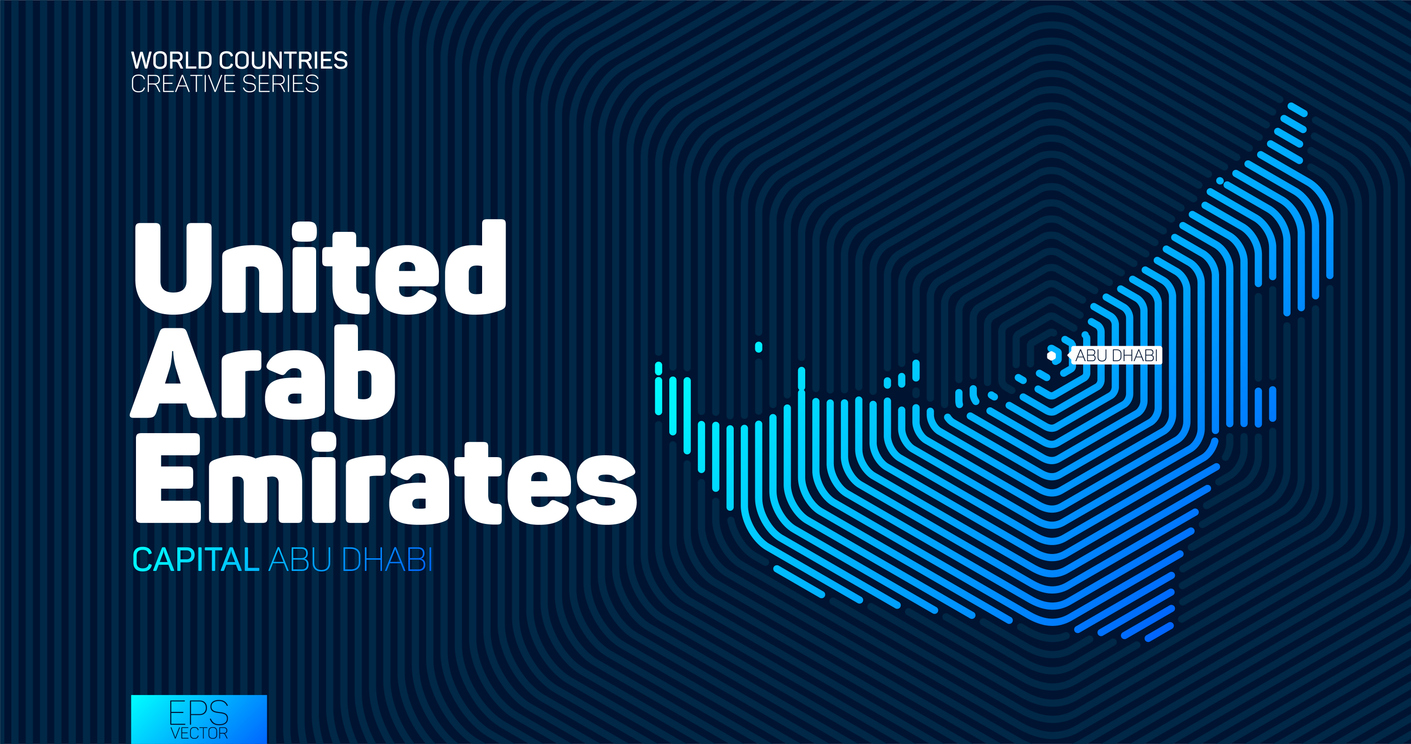
Refineries in Saudi Arabia, Kuwait, and the UAE remain major exporters. However, companies increasingly diversify beyond traditional suppliers to reduce dependency.
Europe
European refiners can provide spot cargoes of naphtha when market conditions allow, particularly during periods of refinery oversupply.
Africa
Emerging refining markets across Africa are gradually increasing production capacity. As logistics networks develop, African supply routes may provide additional sourcing opportunities.
Identifying reliable suppliers across these regions requires strong market intelligence, logistics coordination, and regulatory expertise.
Logistics and Supply Chain Considerations
Alternative sourcing strategies are not only about identifying suppliers—they also require effective supply chain management.
Key considerations include:
-
Shipping routes and freight availability
-
Storage capacity at import terminals
-
Quality consistency of petrochemical-grade naphtha
-
Compliance with international trade regulations
-
Efficient customs clearance and documentation
Without strong logistics coordination, sourcing diversification can introduce new operational challenges.
This is where experienced commodity sourcing partners can play an important role.
How Wigmore Trading Supports Petrochemical Feedstock Sourcing
Managing South Korea alternative naphtha sourcing for petrochemicals often requires global supplier networks and reliable logistics capabilities.
Wigmore Trading supports companies by helping them identify qualified suppliers, coordinate international procurement, and manage complex trade logistics. Through its expertise in commodity sourcing and global distribution, Wigmore Trading assists businesses in securing consistent feedstock supply while navigating international trade requirements.
Services may include:
-
Supplier identification and verification
-
Contract sourcing and procurement support
-
Shipping coordination and freight management
-
Import/export documentation and compliance
-
Supply chain risk management
These capabilities help petrochemical companies maintain stable operations even in volatile global markets.
Strengthening Petrochemical Supply Chains Through Diversified Sourcing
As global energy and petrochemical markets continue to evolve, relying on a single supply source for feedstocks is increasingly risky. Diversification through South Korea alternative naphtha sourcing for petrochemicals allows producers to improve supply resilience, manage costs, and maintain production stability.
By combining strategic procurement planning with reliable logistics and supplier networks, companies can create more flexible and secure supply chains.
Wigmore Trading can help. Contact Wigmore Trading today to streamline your sourcing.


Comments are closed.