
Understanding Special Economic Zone Manufacturing in Nigeria

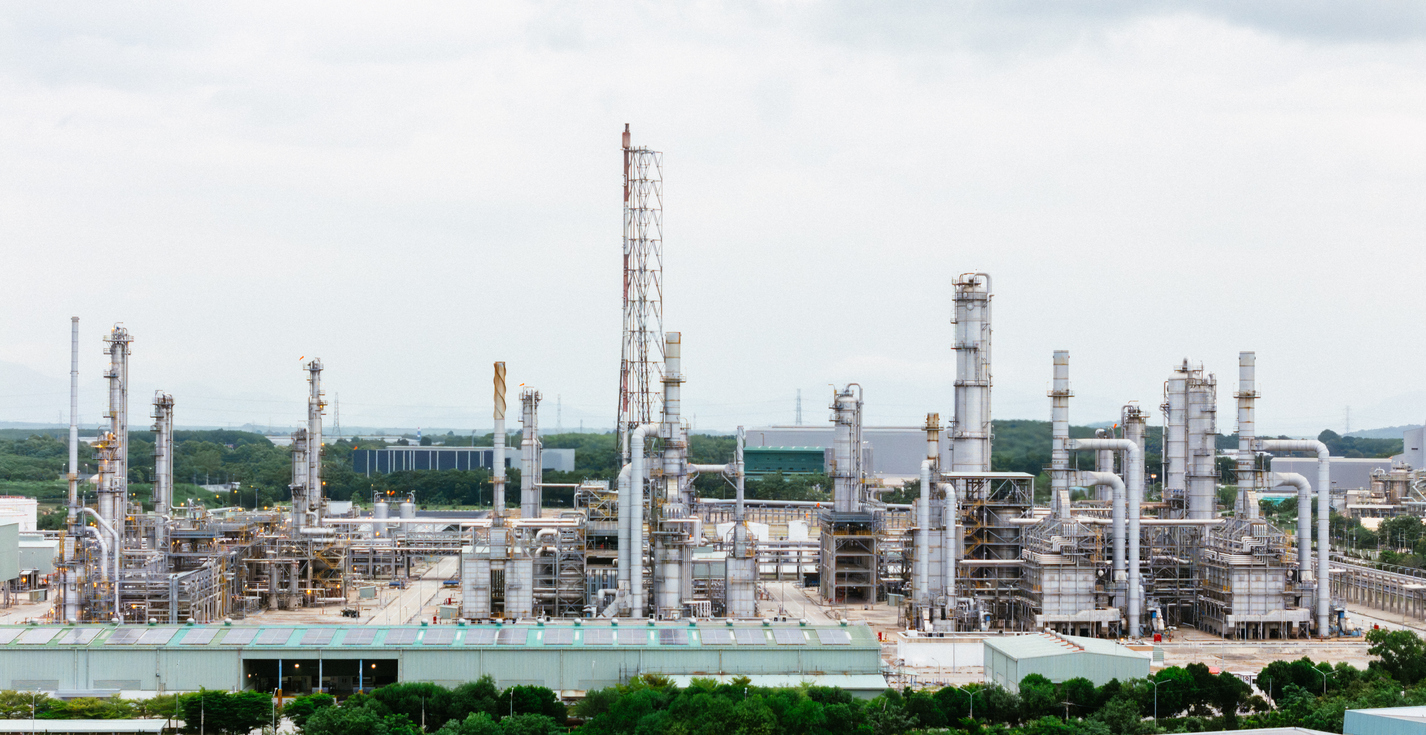
Special Economic Zone manufacturing in Nigeria has become an important strategy for promoting industrial development, attracting foreign investment, and expanding export capacity. By offering targeted incentives, infrastructure, and regulatory support, Special Economic Zones (SEZs) create environments where manufacturers can operate more efficiently and competitively.
For businesses involved in import/export, wholesale distribution, and manufacturing, SEZs provide opportunities to streamline operations, reduce costs, and access regional and international markets more effectively.
What Are Special Economic Zones?
Special Economic Zones are designated areas within a country where businesses operate under different economic regulations than the rest of the domestic market. These zones are designed to encourage industrial growth by providing favorable policies and infrastructure.
In Nigeria, SEZs are regulated primarily by the Nigeria Export Processing Zones Authority (NEPZA) and the Oil and Gas Free Zones Authority (OGFZA).
Key benefits of SEZs typically include:
-
Tax incentives and exemptions
-
Simplified customs procedures
-
Access to dedicated infrastructure
-
Streamlined regulatory processes
-
Improved logistics connectivity
These advantages help manufacturers reduce operational barriers and focus on production and export activities.
The Role of SEZs in Nigeria’s Industrial Development
Nigeria has been expanding its SEZ ecosystem as part of broader industrial and economic diversification strategies. Manufacturing within SEZs helps reduce dependence on imports while strengthening domestic production capacity.
Industries commonly operating in Nigerian SEZs include:
-
FMCG manufacturing
-
Food processing
-
Petrochemicals
-
Automotive assembly
-
Electronics manufacturing
-
Packaging and materials processing
These sectors benefit from centralized industrial infrastructure and improved trade facilitation.
For companies entering Nigerian markets, SEZs can provide a structured pathway to establish manufacturing operations while navigating regulatory and logistical requirements more efficiently.
Key Manufacturing Zones in Nigeria
Several Special Economic Zones across Nigeria support industrial manufacturing and export-oriented production.
Lekki Free Zone
Located near Lagos, Lekki Free Zone is one of Nigeria’s most prominent industrial zones. It hosts manufacturing facilities, logistics infrastructure, and large-scale industrial projects.
The zone’s proximity to major ports makes it particularly suitable for companies involved in import/export operations.
Ogun-Guangdong Free Trade Zone
This zone focuses on manufacturing collaboration between Nigerian and international investors. It supports industries such as building materials, ceramics, and light manufacturing.
Calabar Free Trade Zone
Calabar Free Trade Zone was Nigeria’s first SEZ and remains an important hub for export-oriented industries, including food processing and manufacturing.
Advantages of Manufacturing in Nigerian SEZs
Businesses that establish manufacturing operations in SEZs can gain several operational advantages.
Lower Operational Costs
Tax incentives and duty exemptions can significantly reduce manufacturing costs. These benefits are particularly valuable for companies importing raw materials or exporting finished goods.
Improved Supply Chain Efficiency
Many SEZs are strategically located near ports, transport corridors, and industrial clusters. This helps manufacturers move goods more efficiently between suppliers, production facilities, and export markets.
Simplified Trade Procedures
Customs processes within SEZs are typically faster and more streamlined, which reduces delays and administrative complexity.
Challenges Businesses May Face
While SEZs provide strong opportunities, manufacturers must still address several practical challenges when establishing operations.
Regulatory Compliance
Businesses must comply with Nigerian regulations, zone-specific requirements, and international trade standards.
Supply Chain Coordination
Manufacturing operations often require reliable sourcing of raw materials, packaging, and distribution networks.
Logistics and Import Processes
Efficient movement of goods into and out of SEZs requires careful planning, particularly when dealing with customs procedures and transportation networks.
The Importance of Strategic Supply Chain Support
Successful manufacturing operations depend on reliable sourcing, logistics coordination, and distribution capabilities. Businesses entering SEZs often require partners who understand both the Nigerian market and international trade processes.
Companies involved in manufacturing may need support with:
-
Importing raw materials
-
Export logistics and documentation
-
Wholesale distribution networks
-
Supply chain coordination
-
Regulatory compliance
Working with experienced trade and logistics partners can help manufacturers manage these processes efficiently while minimizing operational risks.
Conclusion
Special Economic Zone manufacturing in Nigeria offers significant opportunities for companies seeking to establish production operations in West Africa. With favorable policies, infrastructure development, and improved trade facilitation, SEZs provide an environment that supports industrial growth and export expansion.
However, businesses must also navigate supply chain management, regulatory requirements, and logistics coordination to fully benefit from these zones.
Wigmore Trading can help businesses source materials, manage logistics, and streamline supply chain operations within Nigeria’s growing manufacturing sector. Contact Wigmore Trading today to streamline your sourcing.



Comments are closed.