
Ensuring a Stable Food Supply in Nigeria: Challenges and Practical Solutions


Nigeria’s growing population and evolving economic landscape make the issue of a stable food supply in Nigeria increasingly critical. With over 200 million people to feed, ensuring consistent access to affordable, nutritious food is essential for national stability, economic growth, and public health. However, multiple structural and operational challenges continue to disrupt the country’s food systems.
This article explores the key barriers to food stability and outlines practical, industry-relevant solutions for businesses, policymakers, and supply chain stakeholders.
Key Challenges Affecting Stable Food Supply in Nigeria
1. Inefficient Agricultural Supply Chains
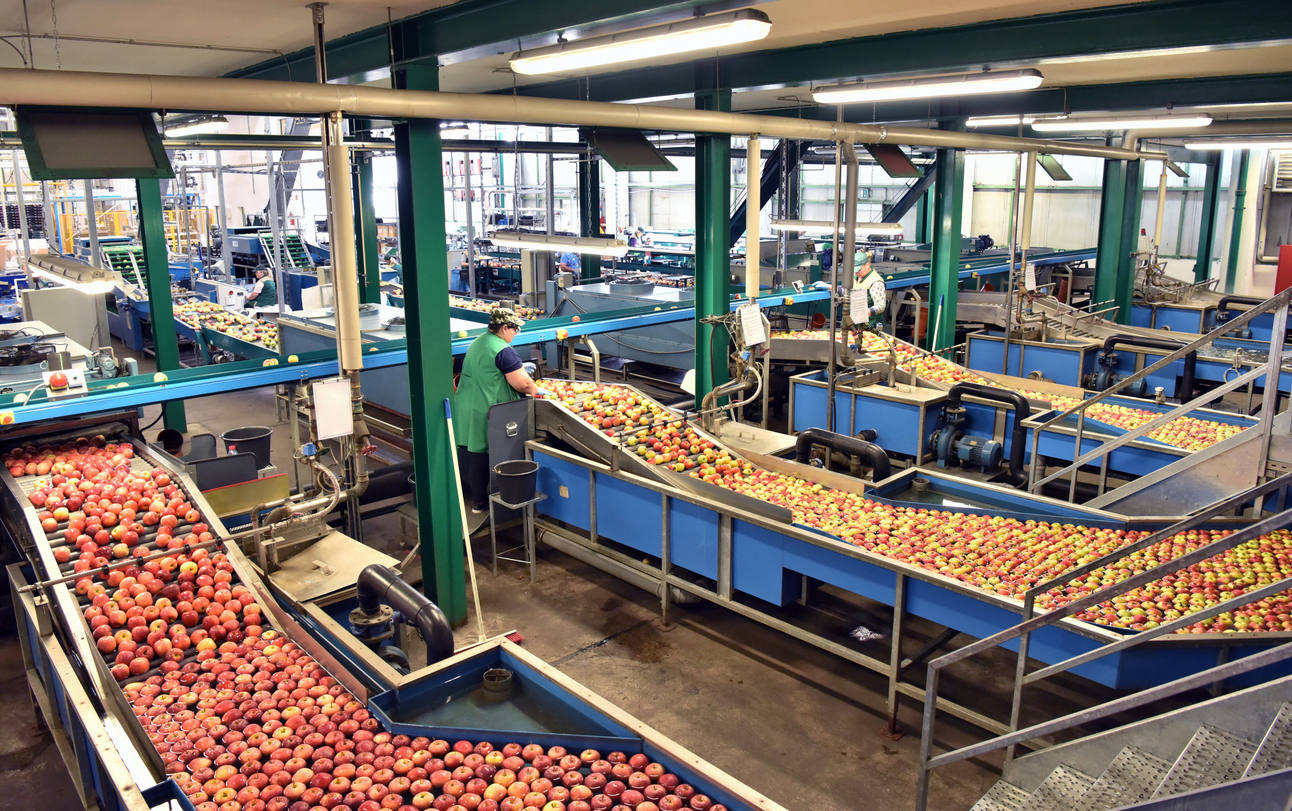
Nigeria produces a wide range of agricultural commodities, yet inefficiencies in the supply chain often lead to significant post-harvest losses. Poor storage facilities, limited cold chain infrastructure, and fragmented distribution networks mean that food rarely reaches markets in optimal condition.
2. Infrastructure and Logistics Constraints
Transporting food across Nigeria can be difficult due to poor road networks, congestion at ports, and limited rail connectivity. These issues increase costs and delay delivery timelines, making it harder to maintain a stable food supply in Nigeria.
3. Import Dependency and FX Volatility
While Nigeria produces many staples locally, it still relies heavily on imports for items such as wheat, rice (to some extent), and processed foods. Fluctuations in foreign exchange rates and import restrictions can disrupt availability and drive up prices.
4. Storage and Preservation Gaps
A lack of modern warehousing and preservation systems contributes to seasonal shortages. During harvest periods, excess supply often goes to waste, while off-season periods experience scarcity and price spikes.
5. Regulatory and Compliance Challenges
Navigating import regulations, quality standards, and customs procedures can be complex. Delays at ports and inconsistent policy enforcement further strain the supply chain.
Strategies to Improve a Stable Food Supply in Nigeria
Strengthening Supply Chain Infrastructure
Investment in logistics infrastructure is essential. This includes better road networks, improved port efficiency, and expanded rail systems. Additionally, developing regional distribution hubs can reduce transit times and improve food accessibility.
Companies involved in food importation and distribution can benefit from working with experienced partners like Wigmore Trading, who understand local logistics challenges and can coordinate efficient movement of goods across Nigeria.
Expanding Cold Chain and Storage Solutions
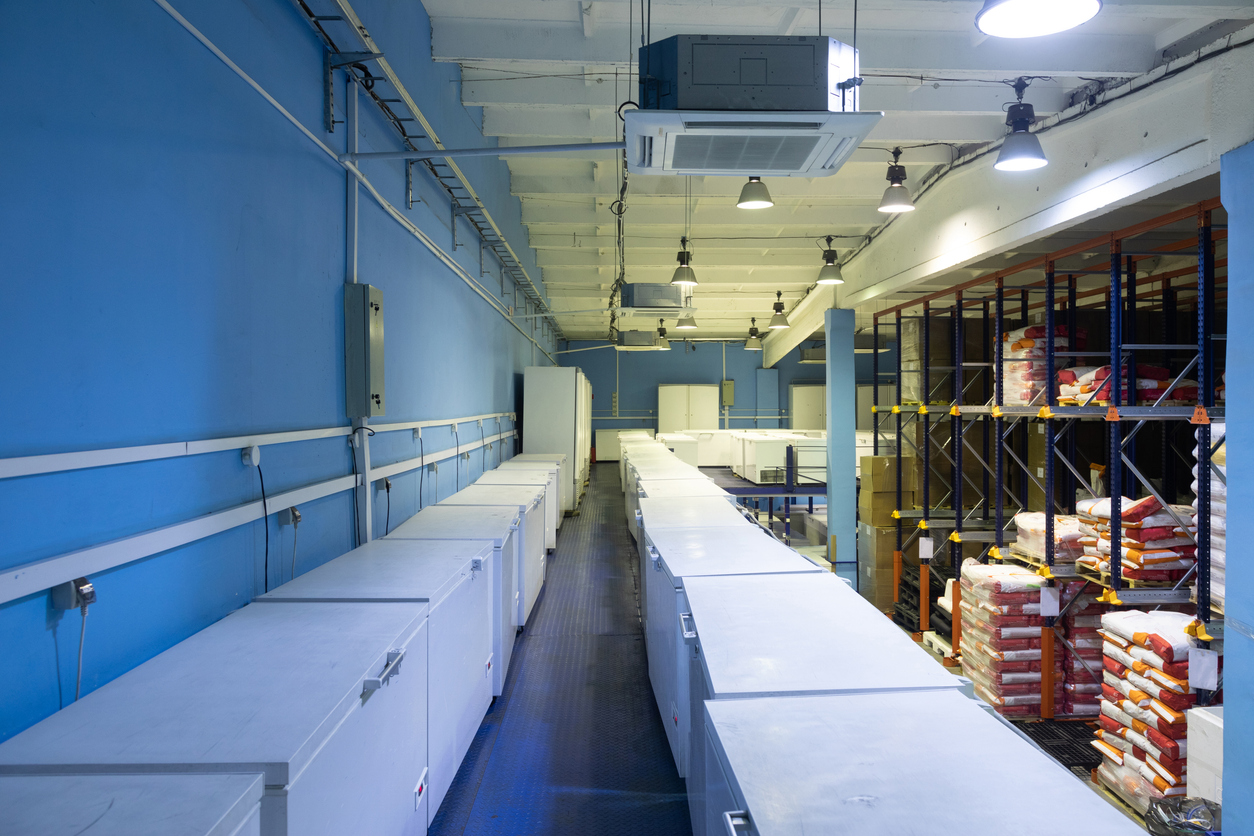
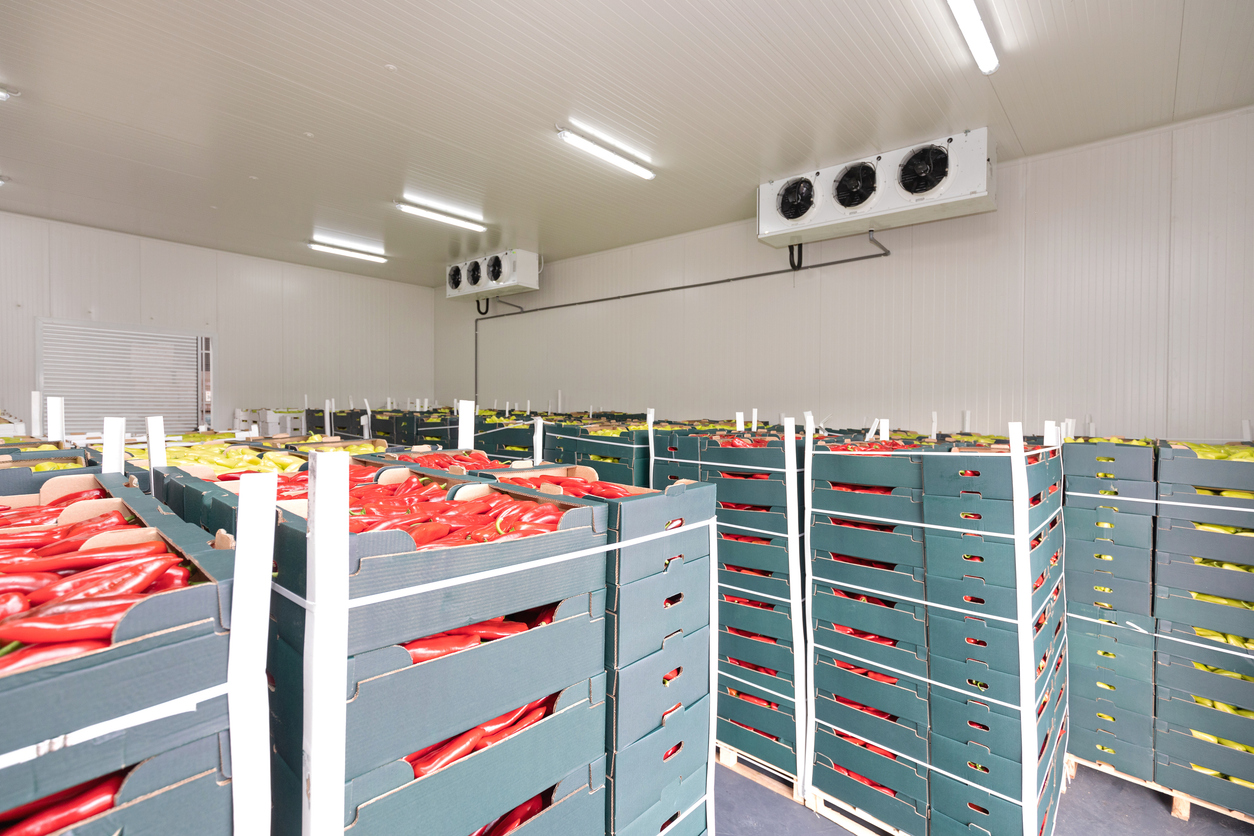
Improving storage facilities—especially temperature-controlled warehouses—can significantly reduce food waste. Cold chain logistics are particularly important for perishable goods such as dairy, meat, and fresh produce.
By leveraging integrated warehousing and distribution services, businesses can ensure products remain in good condition from sourcing to final delivery.
Diversifying Sourcing Channels
Reducing over-reliance on a single source—whether local or international—is key to resilience. Businesses should adopt a diversified sourcing strategy, combining local procurement with strategic imports.
Wigmore Trading supports this approach by helping companies source quality products globally while ensuring compliance with Nigerian import regulations.
Improving Inventory and Demand Planning
Accurate forecasting and inventory management can help prevent both shortages and overstocking. Digital tools and data-driven planning allow distributors and retailers to respond more effectively to demand fluctuations.
This is particularly important in FMCG sectors, where consistent product availability directly impacts consumer trust and sales performance.
Enhancing Regulatory Navigation
Understanding and complying with Nigeria’s regulatory framework is critical for maintaining a stable food supply. Delays in customs clearance or non-compliance with standards can disrupt supply chains.
Working with experienced import/export specialists can streamline documentation, reduce delays, and ensure adherence to all relevant regulations.
The Role of Distribution and Wholesale Networks
A strong wholesale and distribution network is central to achieving a stable food supply in Nigeria. Efficient last-mile delivery ensures that food reaches both urban and rural markets consistently.
Distributors must prioritise:
- Reliable transportation systems
- Strategic warehouse placement
- Real-time inventory tracking
Wigmore Trading plays a key role in this ecosystem by providing end-to-end distribution solutions, helping businesses move goods efficiently from ports to warehouses and onward to retailers.
Building Long-Term Food Supply Stability
Achieving long-term stability requires collaboration between government, private sector players, and logistics providers. Key focus areas include:
- Investment in agro-processing to reduce raw commodity waste
- Public-private partnerships for infrastructure development
- Policy consistency to support both local production and strategic imports
By aligning these efforts, Nigeria can build a more resilient and efficient food system that supports economic growth and food security.
Conclusion
Ensuring a stable food supply in Nigeria is a complex but achievable goal. Addressing logistics inefficiencies, improving storage infrastructure, diversifying sourcing, and navigating regulatory frameworks effectively are all critical steps.
Businesses that adopt a structured, supply chain-driven approach will be better positioned to maintain consistent product availability and manage costs. With the right partnerships and operational strategies, the challenges facing Nigeria’s food system can be transformed into opportunities for growth and stability.
Wigmore Trading can help. Contact Wigmore Trading today to streamline your sourcing.

Comments are closed.