
Starch Processing Factory in Nigeria: From Sourcing to Distribution

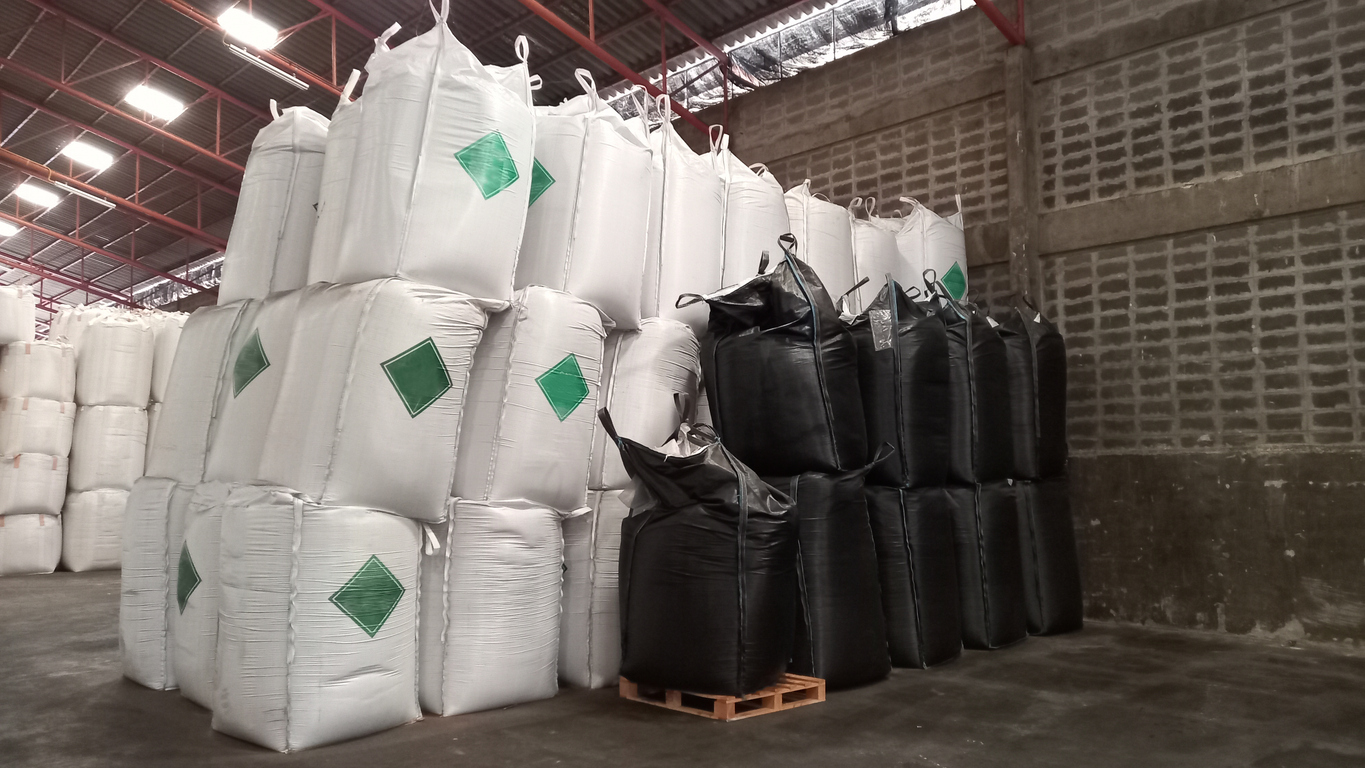
Nigeria’s agro-processing sector continues to expand as demand for locally produced raw materials increases across food, pharmaceutical, and industrial industries. Establishing a starch processing factory in Nigeria presents a strong commercial opportunity, particularly given the country’s abundant cassava and maize production. However, success in this sector depends on efficient sourcing, reliable logistics, and adherence to quality standards.
Why Invest in a Starch Processing Factory in Nigeria?
Nigeria is one of the largest producers of cassava globally, making it a strategic location for starch production. Starch is widely used in industries such as food manufacturing, textiles, paper production, and pharmaceuticals. With increasing government support for local manufacturing and import substitution, investors are turning to agro-processing as a viable business avenue.
A well-managed starch processing operation can benefit from:
-
Steady supply of raw materials (cassava, maize)
-
Growing domestic demand across FMCG and industrial sectors
-
Export potential within West Africa and beyond
-
Reduced reliance on imported starch products
These factors make Nigeria a competitive hub for starch production in Africa.
Raw Material Sourcing and Supply Chain Considerations
One of the most critical aspects of running a starch processing factory in Nigeria is securing a consistent supply of high-quality raw materials. Cassava, the primary input for starch production, is highly perishable and must be processed quickly after harvest.
Key sourcing challenges include:
-
Seasonal fluctuations in supply
-
Inconsistent quality from smallholder farmers
-
Poor rural infrastructure affecting transportation
To address these issues, businesses often establish direct relationships with farmer cooperatives or invest in outgrower schemes. Working with an experienced partner like Wigmore Trading can also help streamline sourcing by connecting processors with reliable agricultural suppliers and managing procurement logistics efficiently.
Processing, Equipment, and Quality Standards
Modern starch processing requires specialized equipment for washing, grating, extraction, drying, and packaging. Investing in efficient machinery not only improves yield but also ensures product consistency, which is essential for industrial buyers.
Quality control is equally important. Manufacturers must comply with local regulatory standards, such as those set by NAFDAC, as well as international requirements for export markets. This includes:
-
Maintaining hygiene and food safety standards
-
Ensuring proper moisture content in starch products
-
Implementing traceability systems
Wigmore Trading supports businesses in sourcing compliant equipment and navigating regulatory requirements, helping to reduce operational risks.
Logistics and Distribution Challenges
Transporting both raw materials and finished products remains a key challenge in Nigeria. Poor road networks in rural areas can delay cassava deliveries, while port congestion can affect export timelines.
Efficient logistics planning is essential to maintain profitability. This includes:
-
Optimizing transportation routes
-
Using appropriate storage solutions to prevent spoilage
-
Coordinating distribution channels for both local and international markets
By leveraging its logistics expertise, Wigmore Trading assists companies in managing transportation, warehousing, and export documentation, ensuring smoother operations across the supply chain.
Market Demand and Commercial Opportunities
The demand for starch in Nigeria is driven by several sectors:
-
Food and beverage manufacturing (thickeners, stabilizers)
-
Pharmaceuticals (binding agents in tablets)
-
Textile and paper industries
-
Adhesives and industrial applications
As local industries grow, the need for reliable starch suppliers continues to rise. Additionally, regional trade agreements within ECOWAS create opportunities for exporting starch products to neighboring countries.
To remain competitive, processors must focus on cost efficiency, product quality, and reliable delivery. Strategic partnerships and integrated supply chain management play a crucial role in achieving these goals.
Sustainability and Long-Term Growth
Sustainability is becoming increasingly important in agro-processing. Efficient waste management, energy use, and water recycling can significantly impact operational costs and environmental compliance.
Many starch processing factories are now exploring:
-
Conversion of cassava waste into animal feed
-
Use of renewable energy sources
-
Improved water treatment systems
These practices not only enhance sustainability but also improve overall profitability.
Conclusion
Establishing a starch processing factory in Nigeria offers significant opportunities, supported by abundant raw materials and growing industrial demand. However, success depends on overcoming challenges related to sourcing, logistics, and quality control.
Businesses that invest in efficient supply chains, modern processing technology, and strong partnerships are better positioned to thrive in this sector. Wigmore Trading can help streamline sourcing, logistics, and compliance, enabling companies to build reliable and scalable starch production operations.
Contact Wigmore Trading today to streamline your sourcing.



Comments are closed.