
Start a Profitable Cashew Processing Plant in Nigeria Today

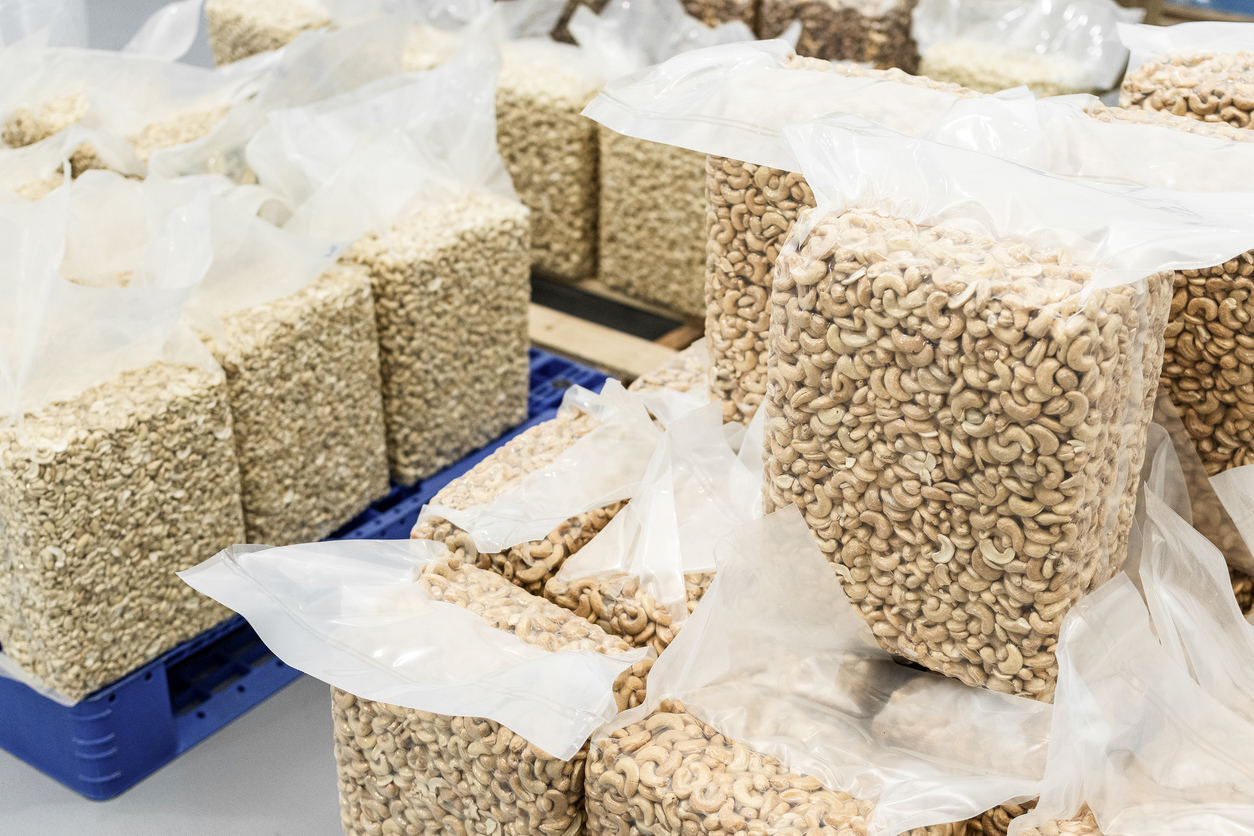
Nigeria is one of the largest producers of raw cashew nuts in Africa, yet a significant portion of its output is exported in raw form. This creates a major opportunity for investors and businesses to establish a cashew processing plant in Nigeria, capturing more value locally while strengthening supply chains and export potential.
This article explores the commercial potential, operational requirements, and key considerations for setting up a cashew processing facility in Nigeria.
Why Invest in a Cashew Processing Plant in Nigeria
Nigeria produces hundreds of thousands of metric tonnes of raw cashew nuts annually, particularly in states such as Kogi, Kwara, Oyo, and Enugu. However, limited domestic processing capacity means much of this produce is shipped abroad for value addition.
Establishing a local processing plant offers several advantages:
-
Value addition: Processed cashew kernels command significantly higher prices than raw nuts
-
Export potential: Global demand for cashew kernels continues to grow across Europe, Asia, and North America
-
Job creation: Processing plants create employment across sourcing, processing, packaging, and logistics
-
Reduced post-harvest losses: Local processing improves efficiency and reduces waste
For businesses operating in FMCG, agribusiness, or export trading, this presents a strong commercial case.
Key Components of a Cashew Processing Plant
Setting up a cashew processing plant requires careful planning across infrastructure, machinery, and operations. Core components include:
1. Raw Material Sourcing
Consistent access to high-quality raw cashew nuts is essential. Building relationships with farmer cooperatives and aggregators ensures stable supply.
2. Processing Equipment
A typical plant includes:
-
Cleaning and grading machines
-
Steam cooking or roasting units
-
Shelling machines
-
Drying systems
-
Peeling and grading lines
-
Packaging equipment
The choice between semi-automated and fully automated systems depends on budget and production scale.
3. Facility and Utilities
Processing requires adequate space, water supply, and reliable power. Many operators invest in backup power solutions due to grid inconsistencies.
4. Skilled Labour
Cashew processing involves both machine operation and manual handling, especially during shelling and peeling stages.
Regulatory and Compliance Considerations
Operating a cashew processing plant in Nigeria involves meeting several regulatory requirements:
-
Business registration and licensing
-
NAFDAC certification for processed food products
-
SON (Standards Organisation of Nigeria) compliance
-
Export certifications for international markets
Adhering to quality and hygiene standards is critical for accessing premium export markets.
Supply Chain and Logistics Challenges
While the opportunity is strong, businesses must address several operational challenges:
Inconsistent Raw Material Supply
Seasonality affects availability and pricing. Without proper sourcing strategies, plants may face downtime.
Infrastructure Constraints
Transporting raw cashew nuts from rural areas can be difficult due to poor road networks.
Export Logistics
Efficient port handling, documentation, and shipping coordination are essential to meet international buyer expectations.
Quality Control
Maintaining consistent kernel quality is crucial for long-term contracts and brand reputation.
How Wigmore Trading Supports Cashew Processing Businesses
Establishing and operating a cashew processing plant requires strong supply chain coordination. This is where Wigmore Trading provides practical support across multiple stages:
-
Sourcing and Procurement: Access to reliable networks of cashew producers and aggregators across Nigeria
-
Logistics Management: Coordination of inland transportation, warehousing, and port handling
-
Export Facilitation: Assistance with documentation, compliance, and international shipping
-
Distribution Support: Connecting processed cashew products to regional and global markets
By streamlining these processes, businesses can focus on production efficiency while reducing operational risks.
Market Outlook and Growth Potential
The global cashew market continues to expand, driven by rising demand for healthy snacks and plant-based products. Nigeria is well-positioned to become a leading processor, not just a raw exporter.
Government initiatives supporting agro-processing and export diversification further strengthen the investment case. With the right infrastructure and partnerships, a cashew processing plant can deliver long-term profitability.
Conclusion
Setting up a cashew processing plant in Nigeria presents a compelling opportunity to tap into a growing global market while contributing to local economic development. Success depends on efficient sourcing, reliable logistics, regulatory compliance, and consistent quality control.
Businesses that take a structured approach to supply chain management will be better positioned to compete both locally and internationally.
Wigmore Trading can help. Contact Wigmore Trading today to streamline your sourcing and logistics for cashew processing operations.


Comments are closed.