
Step-by-Step Amazon FBA Import from China to UK for UK Sellers

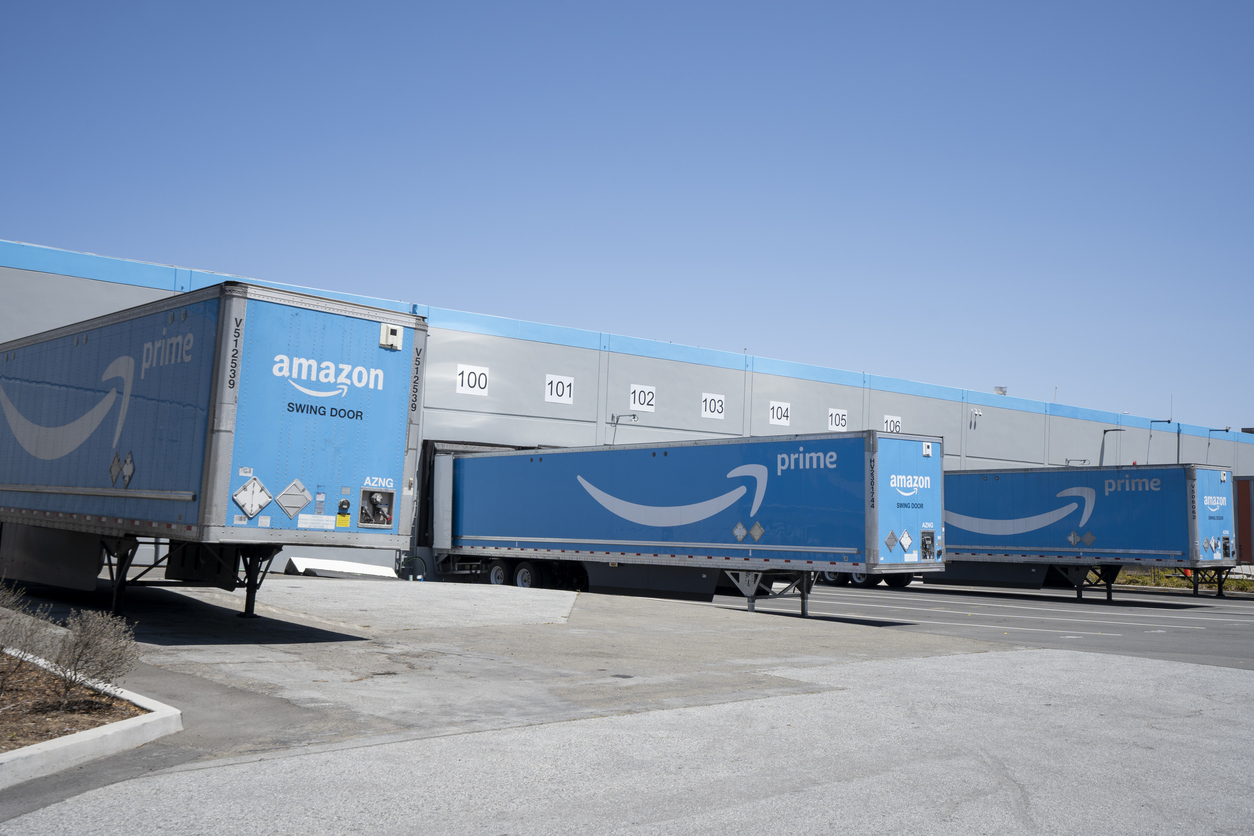
Importing products from China to the United Kingdom for Amazon FBA can be highly profitable when managed correctly. However, navigating supplier sourcing, shipping logistics, customs compliance, and Amazon’s specific requirements requires careful planning. Businesses that understand the full process of Amazon FBA import from China to UK are better positioned to reduce costs, avoid delays, and protect margins.
This guide explains the key steps, compliance requirements, and logistics considerations involved in shipping goods from China to Amazon fulfilment centres in the UK.
Understanding Amazon FBA Import from China to UK
Amazon FBA (Fulfilment by Amazon) allows sellers to store products in Amazon’s UK warehouses, where Amazon handles storage, picking, packing, shipping, and customer service. For many businesses, sourcing from China offers competitive manufacturing costs and scalable production capacity.
However, importing into the UK involves more than simply placing an order with a Chinese supplier. Sellers must manage freight forwarding, UK customs declarations, import VAT, duties, product compliance, and Amazon’s inbound shipping standards.
A structured approach reduces risk and prevents costly shipment rejections or customs holds.
Sourcing Reliable Suppliers in China
Successful Amazon FBA import from China to UK begins with proper supplier selection. While platforms such as Alibaba and Global Sources provide access to manufacturers, due diligence is critical.
Businesses should verify company registration, production capability, quality control processes, and export experience. Product samples should always be inspected before confirming mass production. For regulated goods such as electronics, toys, or cosmetics, compliance documentation must be confirmed at the sourcing stage.
Working with experienced sourcing partners can significantly reduce risks. Wigmore Trading supports supplier verification, factory inspections, and contract negotiation to ensure UK importers receive compliant and high-quality goods.
Product Compliance and UK Regulations
One of the most common challenges in Amazon FBA import from China to UK is regulatory compliance. The UK has strict product safety, labelling, and certification requirements.
Depending on the product category, sellers may need:
-
UKCA or CE marking
-
Electrical safety certification
-
Cosmetics Product Safety Reports (CPSR)
-
Food-grade documentation
-
Proper labelling in English
Failure to meet these standards can result in customs seizure or Amazon listing suspension. It is essential to confirm compliance before shipment, not after arrival.
Importers must also ensure correct HS codes are used to determine applicable duties and avoid misclassification penalties.
Shipping Methods: Air Freight vs Sea Freight
Choosing the correct shipping method is a critical decision when planning Amazon FBA import from China to UK. The choice depends on budget, product size, and urgency.
Air freight is faster and typically takes 5–10 days, making it suitable for lightweight or high-value goods. However, it is more expensive.
Sea freight is more economical for bulk shipments and larger products, though transit times range from 25–40 days. For established sellers with predictable sales cycles, sea freight often offers better margins.
Freight options may include:
-
EXW (Ex Works)
-
FOB (Free on Board)
-
DDP (Delivered Duty Paid)
DDP is particularly popular for Amazon sellers because it includes customs clearance and delivery to Amazon warehouses. However, sellers must work with reputable logistics providers to ensure compliance and proper documentation.
Wigmore Trading assists UK importers by coordinating freight forwarding, customs brokerage, and final-mile delivery to Amazon fulfilment centres, ensuring shipments meet Amazon’s strict inbound requirements.
UK Customs Clearance and Import VAT
Every Amazon FBA import from China to UK must pass through UK customs. Importers must have a UK EORI number and appoint a customs agent or freight forwarder to handle declarations.
Key financial considerations include:
-
Import duty (based on HS code and product type)
-
Import VAT (typically 20%)
-
Customs processing fees
VAT-registered businesses may reclaim import VAT through their VAT returns, improving cash flow. However, incorrect documentation can cause delays and unexpected costs.
Accurate commercial invoices, packing lists, and bills of lading are essential for smooth clearance. Ensuring documentation aligns with the shipment value declared to Amazon also prevents compliance issues.
Amazon Warehouse Requirements
Amazon has specific labelling and packaging rules that must be followed for FBA shipments. Products must have scannable barcodes (FNSKU), proper carton labelling, and compliant packaging dimensions.
Common issues include:
-
Missing FNSKU labels
-
Incorrect carton weight limits
-
Improper pallet configuration
-
Non-compliant packaging
If shipments fail to meet Amazon’s requirements, they may be rejected or incur additional fees. Preparing goods according to Amazon standards before export saves time and prevents costly rework in the UK.
Professional logistics coordination ensures shipments are pre-labelled and booked into Amazon’s delivery slots correctly.
Managing Costs and Protecting Margins
While sourcing from China often reduces production costs, hidden expenses can affect profitability. These may include port charges, demurrage fees, currency fluctuations, storage costs, and unexpected customs inspections.
Careful landed cost calculation is essential. This includes manufacturing cost, freight, duties, VAT, and Amazon FBA fees. A clear understanding of total landed cost helps sellers price products competitively while maintaining margin.
Working with experienced trade partners helps businesses forecast expenses accurately and optimise supply chain efficiency.
Risk Management in International Trade
Global supply chains are vulnerable to delays, regulatory changes, and shipping disruptions. Diversifying freight routes, maintaining buffer stock, and building strong supplier relationships are practical risk management strategies.
Partnering with specialists who understand both Chinese sourcing markets and UK import regulations reduces operational exposure. Wigmore Trading supports businesses with end-to-end supply chain management, from supplier negotiation to customs clearance and UK distribution.
Conclusion
Amazon FBA import from China to UK offers significant opportunities for growth, but success depends on structured sourcing, regulatory compliance, and efficient logistics management. Sellers must consider product certification, freight planning, customs clearance, VAT implications, and Amazon warehouse requirements to ensure smooth operations.
By working with experienced sourcing and logistics professionals, businesses can reduce risks, control costs, and streamline their supply chains.
Wigmore Trading can help. Contact Wigmore Trading today to streamline your sourcing.





Comments are closed.