
Step-by-Step: Conducting an Effective NAFTA/USMCA Compliance Review

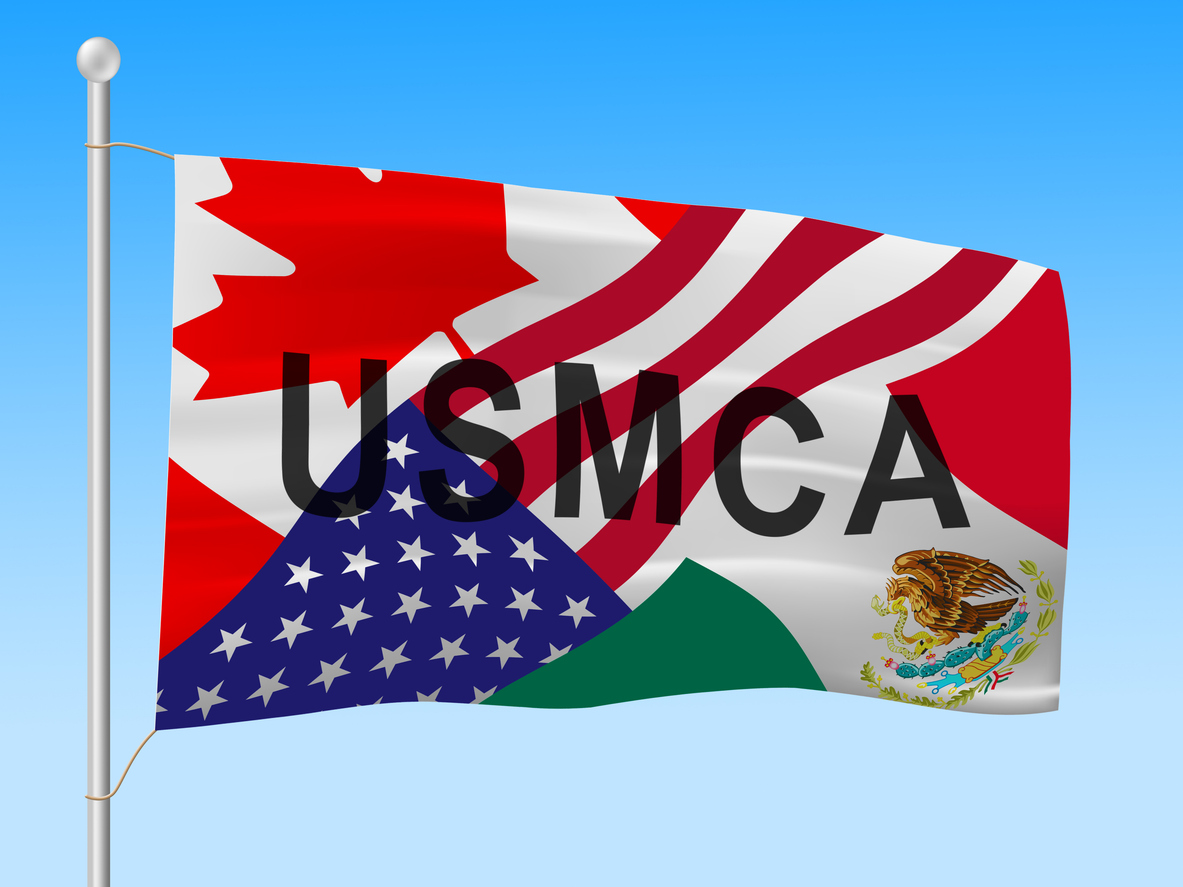
For companies engaged in North American trade, ensuring NAFTA/USMCA compliance is not optional—it’s essential. The North American Free Trade Agreement (NAFTA), replaced by the United States-Mexico-Canada Agreement (USMCA), introduced revised rules on trade, tariffs, and origin requirements that directly affect importers, exporters, and manufacturers. Conducting a NAFTA/USMCA compliance review helps businesses confirm eligibility for preferential tariff treatment and avoid costly penalties.
What Is a NAFTA/USMCA Compliance Review?
A NAFTA/USMCA compliance review is an in-depth assessment of a company’s trade documentation, supply chain data, and product origin claims to ensure they meet USMCA requirements. The review typically includes examining:
-
Certificates of origin and supplier declarations
-
Tariff classification accuracy
-
Bill of materials and production data
-
Record-keeping and audit readiness
The purpose is to validate that products genuinely qualify for duty-free benefits under the agreement and to identify any compliance risks that could trigger fines or customs delays.
Why NAFTA/USMCA Compliance Matters for Businesses
Maintaining compliance under the USMCA trade rules is vital for companies trading between the U.S., Canada, and Mexico. Non-compliance can lead to:
-
Retroactive duties and penalties
-
Customs audits and shipment delays
-
Loss of preferential tariff benefits
Moreover, with updated labor, environmental, and origin rules, USMCA compliance is more complex than it was under NAFTA. A thorough compliance review ensures your supply chain remains transparent, cost-effective, and aligned with current trade policies.
Key Steps in Conducting a NAFTA/USMCA Compliance Review
1. Verify Rules of Origin
Under USMCA, rules of origin determine whether a product qualifies for tariff-free treatment. Businesses must ensure that sufficient value is added within North America. Reviewing the product’s bill of materials helps confirm origin compliance.
2. Review Certificates and Documentation
Accurate certificates of origin are critical. Missing or incomplete documentation is one of the most common causes of non-compliance. Conducting periodic audits helps ensure all certificates are current and meet regulatory standards.
3. Conduct Internal Audits
Internal reviews help identify weak points before customs authorities do. Regular internal audits allow companies to adjust sourcing or manufacturing processes to maintain compliance.
4. Partner with Trade Experts
Partnering with trade specialists like Wigmore Trading helps businesses manage compliance efficiently. With experience in international logistics and import/export processes, Wigmore Trading can provide advisory support, help verify documentation, and ensure that your trade operations comply with regional regulations.
How Wigmore Trading Supports NAFTA/USMCA Compliance
Wigmore Trading works closely with importers and exporters to simplify compliance. From helping businesses interpret rules of origin to verifying documentation accuracy, Wigmore ensures clients benefit fully from duty savings under the USMCA.
Whether you are a manufacturer, wholesaler, or distributor, Wigmore Trading provides practical solutions that support every stage of your trade process—helping you stay compliant, competitive, and cost-efficient.
Conclusion
A proactive NAFTA/USMCA compliance review is essential for maintaining trade efficiency and avoiding costly disruptions. By conducting regular reviews, verifying origin rules, and partnering with experts like Wigmore Trading, businesses can navigate North American trade regulations confidently and maximize tariff advantages.
Wigmore Trading can help your business achieve seamless compliance and efficient cross-border trade.
Get in touch with our team to learn more.






Comments are closed.