
Step-by-Step Electronics Import from China to UK

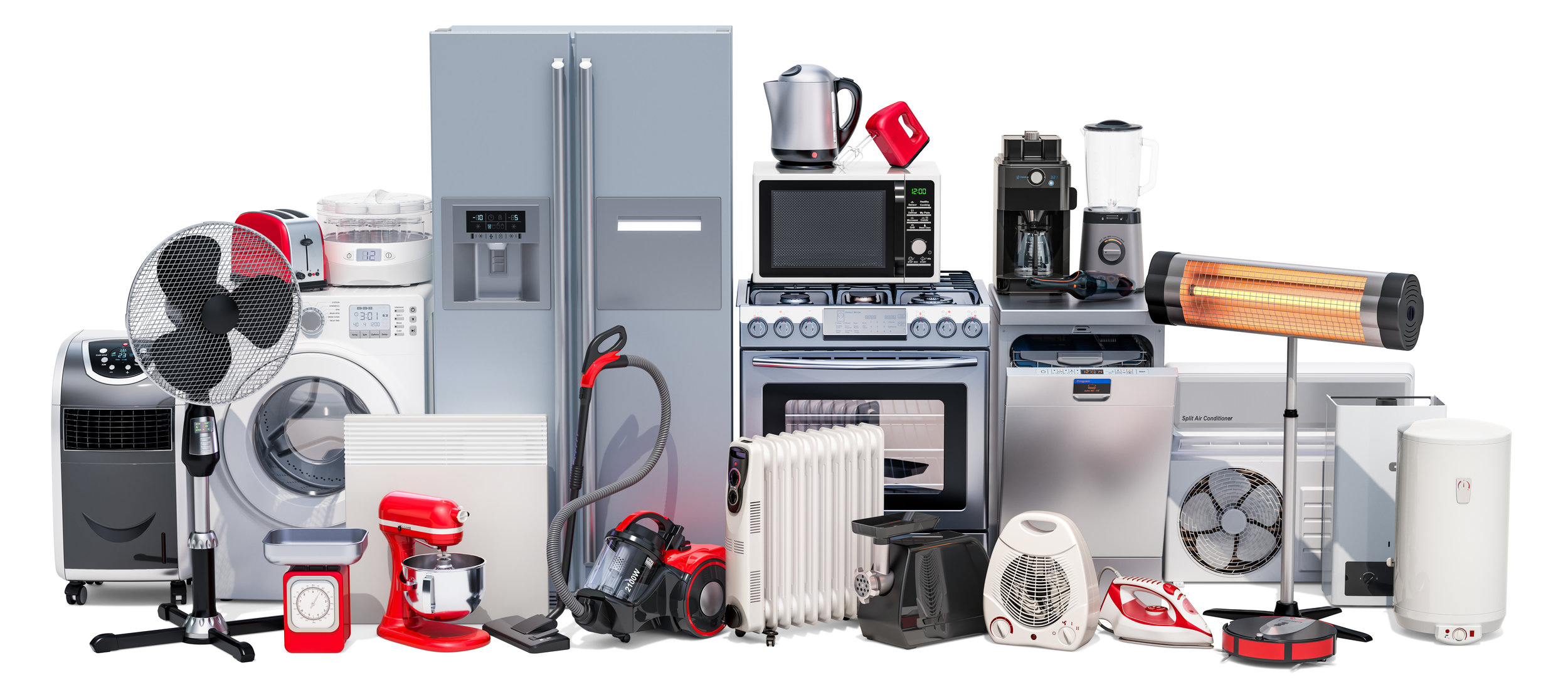
The electronics import from China to UK market continues to grow as UK businesses look for competitive pricing, product variety, and scalable manufacturing. From consumer electronics and computer accessories to LED lighting, home appliances, and mobile phone components, China remains a leading global supplier.
For UK importers, wholesalers, and distributors, the opportunity is significant—but so are the regulatory, logistics, and compliance requirements. This guide explains how to successfully manage electronics imports from China to the UK, key risks to consider, and how experienced trade partners like Wigmore Trading can support a smooth process.
Why Import Electronics from China to the UK?
China is the world’s largest electronics manufacturing hub. It offers:
1. Competitive Pricing
Large-scale production and established supply chains allow Chinese manufacturers to offer cost-effective pricing. For UK wholesalers and retailers, this improves margins while maintaining competitive retail pricing.
2. Wide Product Range
China produces everything from smartphones and computer peripherals to industrial electronic components and consumer appliances. This diversity allows UK importers to consolidate multiple product lines from a single region.
3. Flexible Manufacturing Options
Many suppliers provide OEM and private label services, enabling UK brands to create customised products for specific market niches.
While these advantages are clear, importing electronics requires careful planning—particularly regarding compliance and logistics.
Key Regulations for Electronics Import from China to UK
When importing electronics into the UK, regulatory compliance is essential. Failure to meet requirements can result in shipment delays, fines, or product recalls.
UKCA and CE Marking
Most electronic goods must comply with UK product safety regulations. Since Brexit, the UKCA marking is required for many products sold in Great Britain. Some products may still require CE marking depending on market destination.
Importers must ensure products comply with:
-
Electrical Equipment (Safety) Regulations
-
Electromagnetic Compatibility (EMC) Regulations
-
RoHS (Restriction of Hazardous Substances)
Working with compliant manufacturers and verifying documentation before shipment is critical.
WEEE Regulations
The UK Waste Electrical and Electronic Equipment (WEEE) regulations require producers and importers to finance the collection and recycling of electronic waste. Businesses importing electronics must register and meet reporting obligations.
Customs Documentation and HS Codes
Accurate classification using the correct HS codes for electronics ensures proper customs clearance and duty calculation. Required documents typically include:
-
Commercial invoice
-
Packing list
-
Bill of lading or airway bill
-
Certificate of origin
-
Conformity certificates
Errors in paperwork are one of the most common causes of customs delays.
Wigmore Trading can help ensure documentation accuracy and regulatory compliance before goods reach UK ports.
Shipping and Logistics for Electronics Imports
Choosing the right shipping method is essential when importing electronics from China to the UK.
Sea Freight
Sea freight is cost-effective for large-volume shipments such as wholesale electronics, home appliances, or bulk components. Transit times typically range from 25 to 40 days depending on the route and port congestion.
This option is ideal for established distributors planning inventory in advance.
Air Freight
Air freight is faster, typically taking 5 to 10 days. It is suitable for:
-
High-value electronics
-
Urgent restocking
-
Smaller consignments
However, air freight costs are significantly higher than sea freight.
Freight Forwarding and Customs Clearance
Electronics are often subject to inspection due to safety and compliance regulations. Using an experienced freight forwarder reduces the risk of delays.
Wigmore Trading supports UK businesses with freight coordination, customs handling, and end-to-end supply chain management to ensure efficient delivery.
Managing Risks in Electronics Import from China to UK
Electronics importing carries specific risks that businesses must manage carefully.
Quality Control Issues
Defective or non-compliant electronics can damage brand reputation and lead to financial losses. Conducting pre-shipment inspections and verifying certifications is essential.
Wigmore Trading works with trusted suppliers and quality control partners to reduce the risk of faulty shipments.
Intellectual Property Concerns
When sourcing private-label electronics, it is important to protect intellectual property rights. Clear contracts and supplier due diligence reduce exposure to imitation products or branding disputes.
Supply Chain Disruptions
Global shipping disruptions, port congestion, or regulatory changes can affect timelines. Maintaining buffer stock and working with experienced trade partners helps ensure continuity.
Import Duties and VAT on Electronics
Understanding import costs is crucial for accurate pricing and profitability.
When importing electronics from China to the UK, businesses may be subject to:
-
Import duty (depending on product classification)
-
UK VAT (typically 20%)
-
Customs handling fees
Using correct HS codes and customs valuation ensures accurate duty calculation. Planning landed costs in advance prevents unexpected expenses that can erode margins.
Wigmore Trading can assist with cost estimation and customs planning to support profitable importing strategies.
Choosing the Right Supplier in China
Selecting reliable manufacturers is one of the most important steps in electronics sourcing.
When evaluating suppliers, consider:
Production Capacity
Ensure the factory can meet required volumes without compromising quality or lead times.
Certifications and Testing
Verify product compliance documentation and test reports to meet UK regulatory standards.
Communication and Transparency
Clear communication reduces misunderstandings and production errors.
Partnering with experienced sourcing specialists like Wigmore Trading reduces supplier risk and improves negotiation outcomes.
How Wigmore Trading Supports Electronics Importers
For UK importers, managing sourcing, shipping, compliance, and customs can be complex. Wigmore Trading provides structured support across the supply chain, including:
-
Supplier sourcing and vetting
-
Freight coordination (sea and air freight)
-
Customs documentation and clearance support
-
Risk management and quality control coordination
This integrated approach helps wholesalers, retailers, and distributors streamline operations while maintaining compliance with UK regulations.
If your business is planning an electronics import from China to UK, professional trade support can significantly reduce risk and improve efficiency.
Wigmore Trading can help.
Contact Wigmore Trading today to streamline your sourcing and logistics strategy.






Comments are closed.