
Step-by-Step Guide to Import from China to Nigeria for Businesses

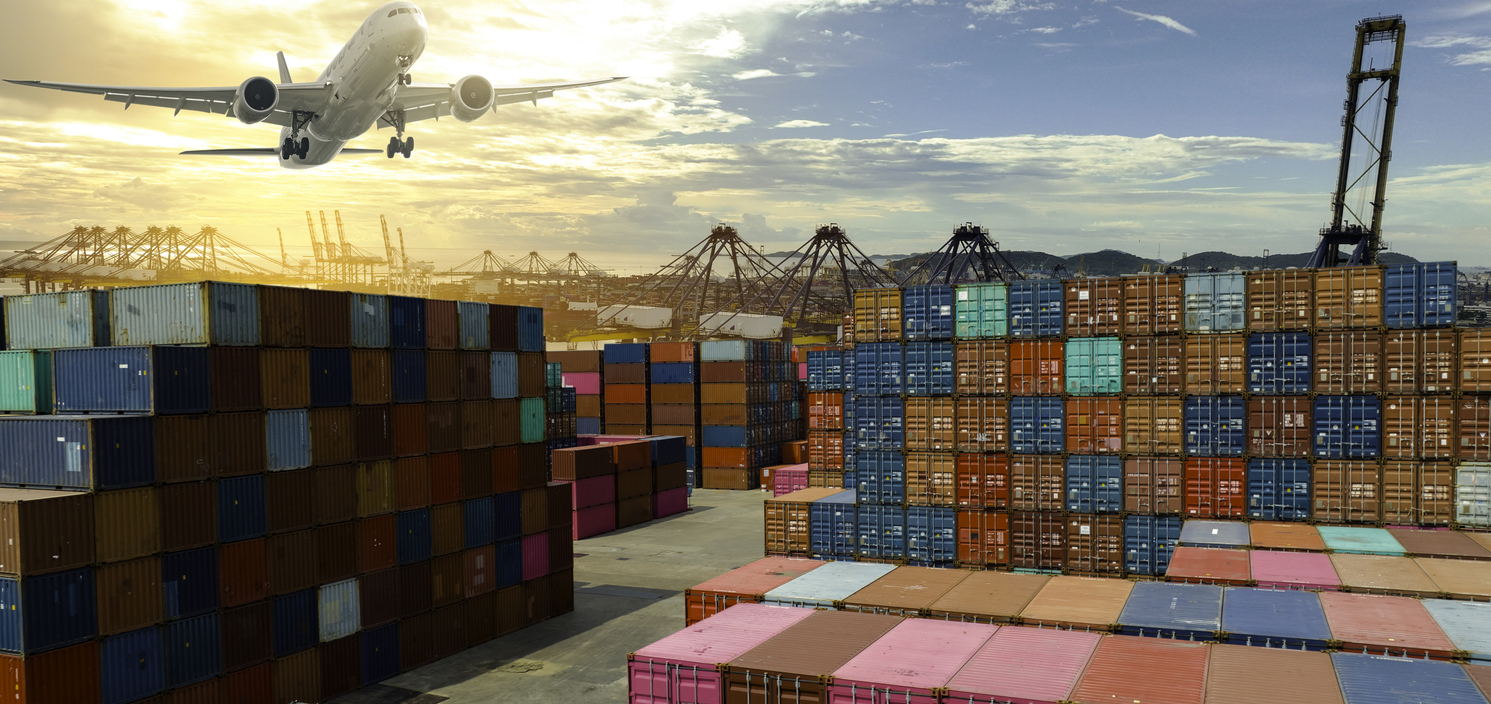
Nigeria’s growing consumer market and expanding industrial base have made China one of its most important trading partners. From electronics and machinery to textiles, building materials, and FMCG products, many Nigerian businesses rely on Chinese manufacturers for competitive pricing and large-scale production.
However, successfully managing an import from China to Nigeria requires more than simply placing an order. It involves supplier verification, payment structuring, freight planning, customs compliance, and local distribution coordination. This guide explains the key considerations businesses must address to import efficiently and profitably.
Why Businesses Import from China to Nigeria
China remains a leading global manufacturing hub due to its production scale, established supply chains, and cost efficiency. Nigerian wholesalers, distributors, and retailers often source from China because:
-
Unit costs are generally lower compared to European or North American suppliers.
-
Manufacturers offer flexible production volumes.
-
A wide variety of product categories are available under one sourcing market.
-
Established export infrastructure supports international shipping.
For Nigerian businesses in FMCG, electronics, fashion, automotive parts, and construction materials, importing from China provides access to competitively priced goods that can be resold in local markets at attractive margins.
However, cost advantages can quickly disappear if logistics, compliance, and supplier management are not handled properly.
Key Steps to Import from China to Nigeria
1. Product Research and Supplier Verification
Before committing to an order, businesses must ensure the product meets Nigerian market demand and regulatory requirements. Supplier verification is critical. Many companies conduct due diligence by:
-
Requesting business licenses and export certificates
-
Reviewing production capabilities
-
Ordering product samples
-
Confirming compliance with Nigerian standards
Working with a sourcing partner helps reduce the risks of counterfeit goods, inconsistent quality, or unreliable production timelines.
2. Negotiating Pricing and Payment Terms
Most Chinese suppliers operate under Incoterms such as FOB (Free on Board), CIF (Cost, Insurance and Freight), or EXW (Ex Works). Understanding these terms is essential, as they determine who bears responsibility for transport costs and risk at each stage.
Common payment structures include:
-
Telegraphic Transfer (T/T) – typically 30% deposit and 70% before shipment
-
Letters of Credit (L/C) for larger transactions
-
Escrow services for added protection
Clear agreements on production timelines, packaging standards, and inspection requirements should be documented before payment.
3. Shipping and Freight Options
When planning an import from China to Nigeria, businesses usually choose between sea freight and air freight.
Sea freight is more cost-effective for bulk shipments and heavy cargo, particularly for containerized goods. It typically arrives at major Nigerian ports such as Apapa or Tin Can Island in Lagos.
Air freight is faster but significantly more expensive. It is commonly used for high-value goods, urgent shipments, or smaller consignments.
Freight forwarding coordination is essential to manage documentation, cargo consolidation, insurance, and tracking.
Customs Clearance and Regulatory Requirements in Nigeria
One of the most complex stages of importing is customs clearance. Nigerian authorities require proper documentation and regulatory compliance before goods are released.
Essential documents often include:
-
Form M (opened through an authorized Nigerian bank)
-
Proforma invoice
-
Bill of Lading or Airway Bill
-
Packing list
-
SONCAP certificate (for regulated products)
-
Pre-Arrival Assessment Report (PAAR)
Failure to comply with these requirements can result in shipment delays, demurrage charges, or cargo seizure.
Nigeria’s Standards Organisation (SON) and the Nigeria Customs Service enforce strict rules on product quality and valuation. Accurate HS code classification and proper duty calculation are critical to avoid penalties.
Businesses unfamiliar with the process often experience costly delays at port. This is where experienced logistics and compliance support becomes valuable.
Managing Logistics and Port Challenges
Port congestion, fluctuating exchange rates, and customs bottlenecks can significantly affect import timelines. Planning should account for:
-
Freight transit time (typically 30–45 days by sea)
-
Port handling charges
-
Customs inspection periods
-
Inland transportation from port to warehouse
Storage costs accumulate quickly if clearance is delayed. Efficient coordination between freight forwarders, customs agents, and local transport providers helps reduce risk.
Wigmore Trading supports businesses by coordinating freight, documentation, customs processing, and last-mile distribution. This integrated approach helps minimize delays and ensures that goods move smoothly from Chinese suppliers to Nigerian warehouses and distribution centers.
Risk Management When Importing from China to Nigeria
While importing offers cost advantages, it also involves operational and financial risks.
Quality inconsistencies can occur if production oversight is weak. Currency fluctuations between the naira, US dollar, and Chinese yuan can impact overall import costs. Shipping disruptions may affect delivery schedules.
Mitigation strategies include:
-
Pre-shipment inspections
-
Clear contractual agreements
-
Insurance coverage
-
Diversified supplier networks
-
Accurate landed cost calculations
Calculating the true landed cost—product price plus freight, duties, insurance, port charges, and local transport—is essential for maintaining healthy margins.
The Role of a Trade and Logistics Partner
For wholesalers, distributors, and growing Nigerian businesses, managing every stage of an import from China to Nigeria internally can be resource-intensive.
An experienced trade partner can:
-
Identify reliable manufacturers
-
Negotiate favorable terms
-
Handle freight and shipping coordination
-
Manage regulatory documentation
-
Facilitate customs clearance
-
Oversee warehousing and distribution
Wigmore Trading works with businesses across FMCG, retail, and industrial sectors to streamline sourcing and supply chain operations. By combining procurement expertise with local logistics knowledge, companies can reduce operational friction and focus on scaling their core business activities.
Conclusion
Importing goods from China to Nigeria presents significant commercial opportunities for businesses seeking competitive pricing and broad product availability. However, success depends on careful supplier selection, accurate documentation, efficient freight planning, and strict compliance with Nigerian import regulations.
Without proper coordination, delays and hidden costs can erode profit margins. With the right structure and support, importing becomes a predictable and scalable supply chain strategy.
Wigmore Trading can help. Contact Wigmore Trading today to streamline your sourcing.






Comments are closed.