
Step-by-Step Guide to Oil and Gas Tenders in Venezuela

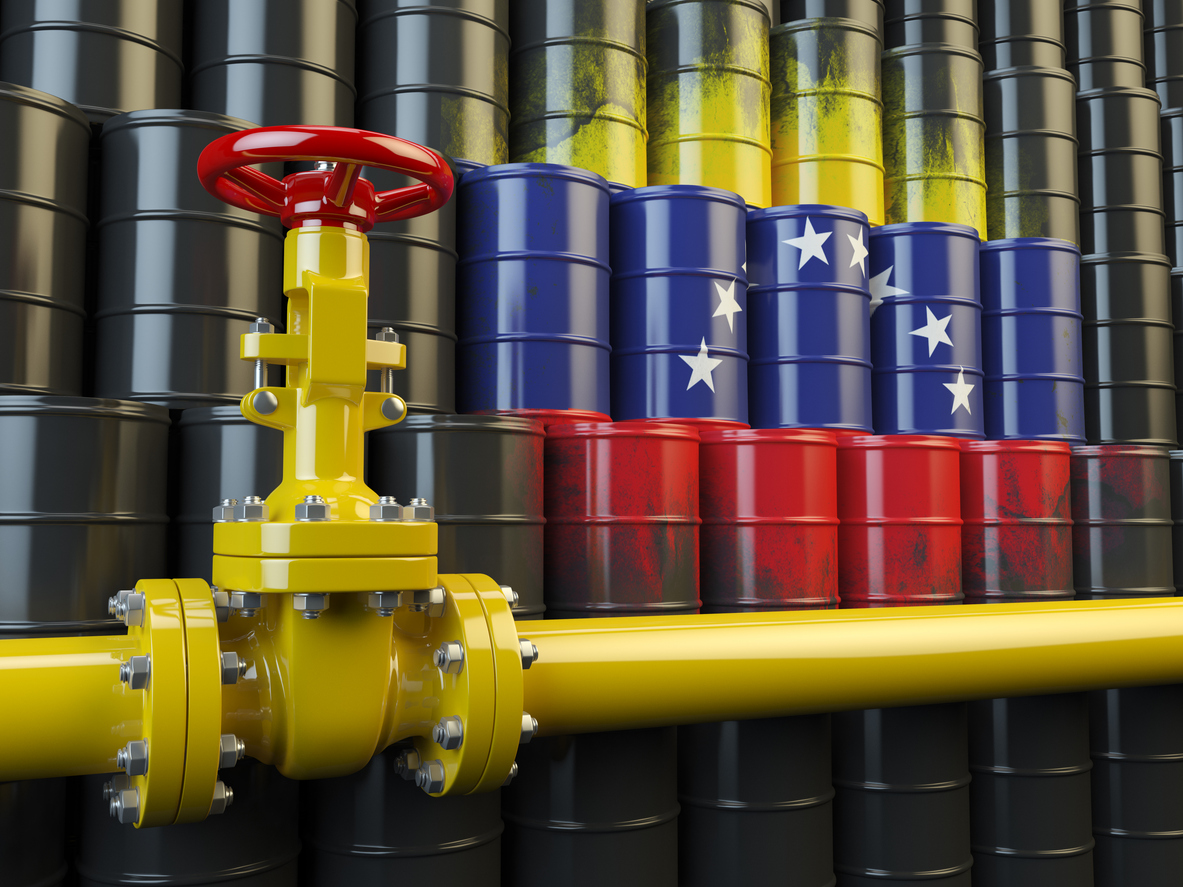
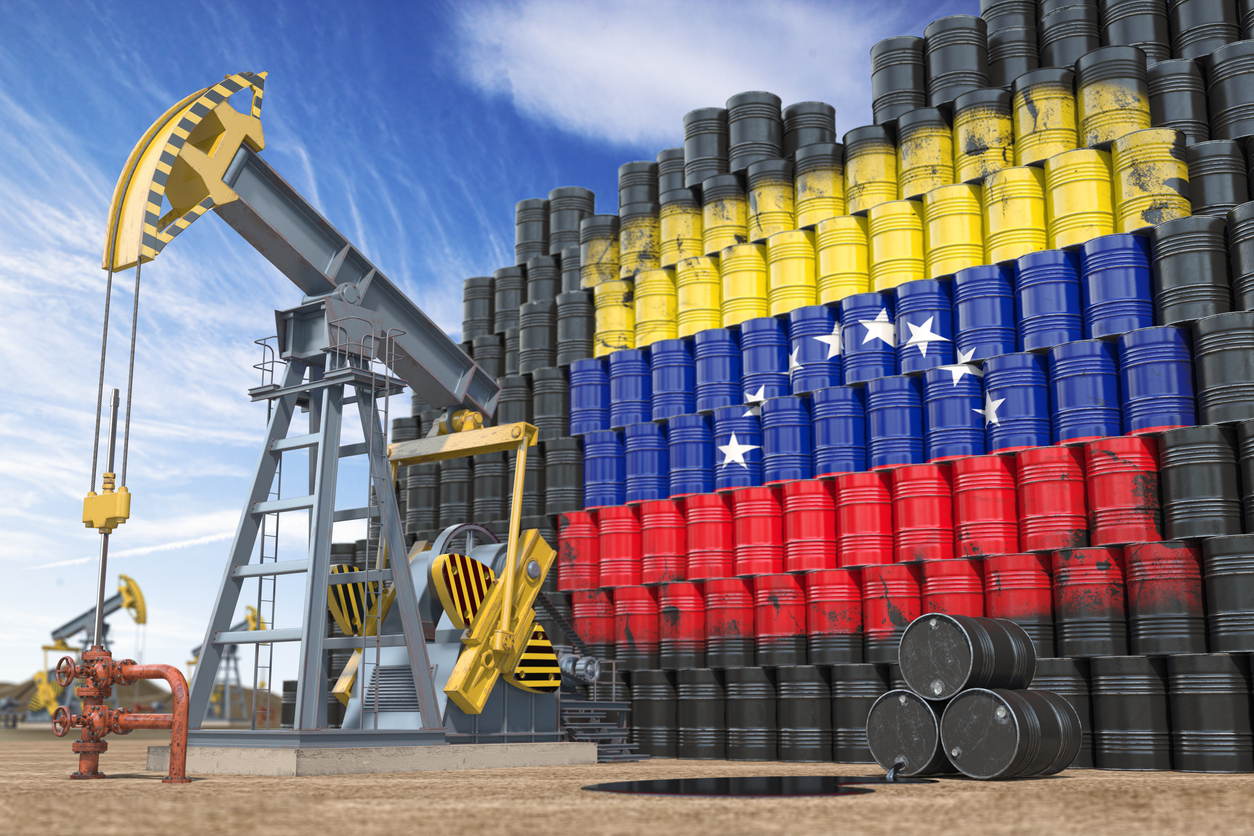
Oil and gas tenders in Venezuela present significant opportunities for international suppliers, contractors, and service providers. As one of the countries with the largest proven oil reserves globally, Venezuela continues to rely heavily on its energy sector despite ongoing economic and political challenges.
For companies involved in procurement, logistics, and supply chain services, understanding how these tenders work—and how to navigate them effectively—is essential to unlocking business opportunities in the region.
Overview of Venezuela’s Oil and Gas Sector
Venezuela’s oil industry is dominated by the state-owned company Petróleos de Venezuela, S.A. (PDVSA), which controls exploration, production, refining, and export activities.
The country holds some of the world’s largest hydrocarbon reserves, making it a key player in global energy markets.
Despite this, the sector has faced declining production due to underinvestment, sanctions, and infrastructure challenges. These constraints have increased the need for external contractors, equipment suppliers, and technical partners—creating opportunities through oil and gas tenders in Venezuela.
What Are Oil and Gas Tenders in Venezuela?
Oil and gas tenders are formal procurement processes issued by government entities or state-linked companies like PDVSA. These tenders invite businesses to bid for contracts related to:
- Exploration and drilling services
- Pipeline construction and maintenance
- Equipment supply (compressors, pumps, drilling tools)
- Refining and processing services
- Logistics and transportation
For example, recent tenders have included pipeline manufacturing projects, production recovery services, and equipment procurement for gas processing plants.
These opportunities are typically published through official procurement portals and international tender platforms.
Key Opportunities for International Businesses
1. Equipment Supply and Industrial Goods
Venezuela frequently procures machinery, industrial equipment, and spare parts for oil and gas operations. This creates strong demand for global suppliers, particularly those with experience in heavy industry.
2. Engineering and Technical Services
There is a growing need for technical expertise in areas such as:
- Oil field rehabilitation
- Refinery upgrades
- Gas processing optimisation
3. Logistics and Distribution
Given Venezuela’s infrastructure challenges, logistics plays a critical role in project execution. Companies that can manage shipping, customs clearance, and inland distribution have a competitive advantage.
This is where experienced trade facilitators like Wigmore Trading can support businesses by ensuring efficient sourcing and delivery of goods into complex markets.
Challenges in Accessing Oil and Gas Tenders in Venezuela
While opportunities exist, companies must be aware of the risks involved.
Regulatory Complexity
The procurement environment can be difficult to navigate due to changing regulations and administrative processes.
Limited Transparency
Government procurement in Venezuela is often described as complex and less transparent, requiring careful due diligence and local expertise.
Sanctions and Payment Risks
International sanctions and financial restrictions can affect:
- Payment processing
- Contract enforcement
- Currency exchange
Infrastructure Constraints
Declining refinery capacity and operational inefficiencies can impact project timelines and delivery expectations.
How to Successfully Participate in Oil and Gas Tenders in Venezuela
1. Partner with Local or Regional Experts
Working with local agents or international trade specialists helps navigate regulatory and operational complexities.
Wigmore Trading, for example, supports companies by facilitating sourcing, supplier verification, and logistics coordination across emerging markets.
2. Monitor Tender Platforms Consistently
Opportunities are published across multiple channels, including:
- Government procurement portals
- International tender databases
- Industry-specific platforms
With thousands of tenders across sectors, consistent monitoring is essential to avoid missing opportunities.
3. Ensure Compliance and Documentation
Successful bids require:
- Complete technical documentation
- Financial capability proof
- Compliance with local regulations
4. Build Strong Supply Chains
Reliable sourcing and delivery are critical. Companies must ensure:
- Quality assurance of goods
- Efficient shipping routes
- Customs clearance expertise
Wigmore Trading can assist in managing these supply chain requirements, reducing delays and ensuring compliance.
5. Conduct Risk Assessments
Before bidding, businesses should evaluate:
- Political and economic risks
- Payment security
- Contract enforceability
A well-structured risk mitigation strategy is essential for long-term success.
The Role of Strategic Trade Partners
Entering Venezuela’s oil and gas sector is rarely straightforward. Companies that succeed typically rely on strong partnerships to manage sourcing, logistics, and compliance.
Wigmore Trading supports international businesses by:
- Sourcing industrial goods and equipment
- Managing cross-border logistics
- Ensuring regulatory compliance
- Facilitating entry into complex markets
This approach allows companies to focus on their core operations while reducing exposure to operational risks.
Conclusion
Oil and gas tenders in Venezuela offer valuable opportunities for businesses willing to navigate a complex but resource-rich market. From equipment supply to technical services, the demand for international expertise remains strong.
However, success requires a strategic approach—combining market knowledge, compliance, and reliable logistics. Companies that invest in the right partnerships and preparation are best positioned to secure contracts and operate effectively.
Wigmore Trading can help. Contact Wigmore Trading today to streamline your sourcing.


Comments are closed.