
Strategic Grain Storage Construction Contractors: Building Reliable Infrastructure for Agricultural Supply Chains

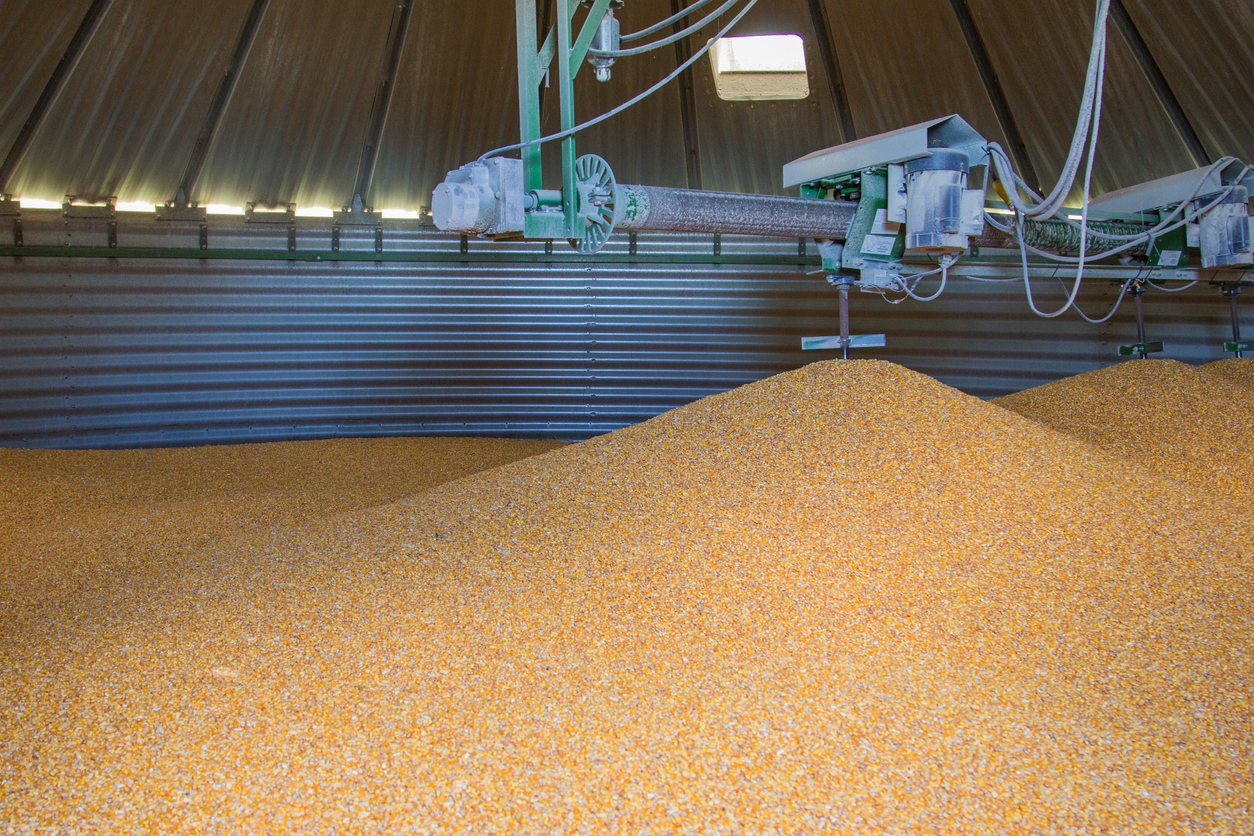
Grain storage infrastructure plays a critical role in agricultural supply chains. Without reliable storage facilities, harvested grains can suffer from spoilage, pest infestation, moisture damage, and logistical bottlenecks. For agribusinesses, governments, and commodity traders, investing in professional strategic grain storage construction contractors ensures that grain reserves remain secure, efficient, and scalable.
From silo complexes to modern warehouse systems, experienced contractors design and build facilities that support food security, commodity trading, and export operations. In regions with expanding agricultural production—particularly across Africa—strategic storage infrastructure is becoming increasingly essential for stabilising markets and reducing post-harvest losses.
The Role of Strategic Grain Storage Construction Contractors
Strategic grain storage construction contractors specialise in designing and building facilities that safely store large volumes of agricultural commodities such as maize, wheat, rice, soybeans, and sorghum.
These contractors typically manage several key elements of the construction process:
-
Engineering and structural design of grain silos and warehouses
-
Site planning and environmental assessments
-
Installation of aeration, ventilation, and drying systems
-
Temperature and moisture monitoring technology
-
Integration with transport infrastructure such as rail, road, or ports
Unlike standard construction firms, contractors in this sector must understand agricultural storage science, grain handling systems, and the operational requirements of commodity supply chains.
Why Strategic Grain Storage Infrastructure Matters
Investing in reliable grain storage infrastructure provides several benefits across agricultural economies.
Reducing Post-Harvest Losses
In many developing agricultural markets, post-harvest losses can reach 20–30% due to poor storage conditions. Professional strategic grain storage construction contractors build facilities that maintain optimal humidity, airflow, and temperature conditions to protect grain quality.
Supporting Commodity Trading
Grain traders rely on stable storage capacity to manage inventory between harvest seasons and international shipping schedules. Large-scale silos and storage terminals enable better price management, bulk handling, and export readiness.
Strengthening Food Security
Governments often maintain strategic grain reserves to stabilise food supplies during droughts, conflicts, or supply disruptions. Properly constructed storage facilities ensure that reserves remain usable over extended periods.
Enabling Scalable Agricultural Growth
As agricultural production expands, storage infrastructure must grow accordingly. Without sufficient storage capacity, farmers may be forced to sell immediately after harvest, often at lower prices.
Strategic storage construction helps balance supply cycles and strengthens agricultural economies.
Types of Grain Storage Facilities Built by Strategic Contractors
Different agricultural operations require different storage solutions. Experienced strategic grain storage construction contractors typically build several types of facilities depending on operational needs.
Steel Grain Silos
Steel silos are widely used for large-scale grain storage due to their durability and efficiency.
Advantages include:
-
Controlled ventilation and aeration systems
-
Reduced pest contamination
-
Efficient bulk handling
-
Long-term storage capability
They are commonly used in commercial grain terminals, ports, and large farming cooperatives.
Concrete Silos
Concrete silos are often used for long-term national reserves and high-capacity storage facilities.
These structures offer:
-
Exceptional structural durability
-
High resistance to environmental damage
-
Large storage capacity for strategic reserves
They are typically part of major grain terminals or government reserve systems.
Flat Storage Warehouses
Flat storage warehouses are flexible facilities where grain is stored in bulk on the floor.
They are useful for:
-
Temporary storage during peak harvest seasons
-
Storage of multiple grain varieties
-
Operations requiring frequent loading and unloading
Many commodity traders use these facilities to manage fluctuating inventory.
Grain Handling and Processing Facilities
Modern grain storage systems often integrate additional infrastructure, including:
-
Conveyors and elevators
-
Grain drying systems
-
Cleaning and sorting equipment
-
Weighbridges and loading systems
Strategic contractors ensure these systems work together efficiently to maintain grain quality and streamline operations.
Key Considerations When Choosing Strategic Grain Storage Construction Contractors
Selecting the right strategic grain storage construction contractors is critical for ensuring long-term facility performance.
Industry Experience
Grain storage requires specialised engineering knowledge. Contractors should demonstrate experience with agricultural infrastructure, storage science, and bulk commodity handling.
Climate and Environmental Adaptation
Storage facilities must be designed for local environmental conditions. High humidity regions require stronger moisture control systems, while hot climates require effective ventilation and insulation.
Compliance and Safety Standards
Grain storage facilities must comply with strict safety standards, particularly regarding:
-
Structural engineering
-
Fire safety
-
Dust explosion prevention
-
Worker safety protocols
Experienced contractors understand these regulatory requirements.
Scalability and Expansion Planning
Agricultural production often grows over time. Well-designed storage facilities should allow for future expansion without requiring major structural redesign.
Strategic contractors typically plan for modular growth when designing silo complexes and warehouse facilities.
Logistics and Supply Chain Integration
Grain storage infrastructure must integrate seamlessly with logistics networks.
Effective facilities are designed with:
-
Efficient truck access and loading bays
-
Rail connections where available
-
Proximity to ports or export corridors
-
Automated inventory monitoring systems
For commodity traders and food manufacturers, this integration reduces handling delays and transportation costs.
Companies involved in international agricultural trade must also consider how storage facilities connect to distribution networks. Reliable storage enables smoother export scheduling and better inventory management across markets.
In these cases, logistics expertise becomes just as important as construction capability. Businesses working across African and global supply chains often partner with experienced trade companies that can coordinate sourcing, transportation, and storage solutions.
The Growing Demand for Strategic Grain Storage in Africa
Across Africa, demand for modern grain storage infrastructure is increasing rapidly. Population growth, agricultural expansion, and government food security programmes are driving investments in new storage facilities.
Countries are increasingly prioritising:
-
Strategic grain reserves
-
Export-oriented grain terminals
-
Commercial storage hubs for traders and processors
However, developing these facilities requires careful coordination between construction specialists, logistics providers, and agricultural supply chain partners.
Businesses sourcing grain or managing agricultural commodities often require support in connecting production regions with storage and distribution infrastructure.
Wigmore Trading works with partners across Africa to support agricultural supply chains through sourcing, logistics coordination, and commodity distribution. Reliable storage and handling infrastructure are essential components of these operations.
Conclusion
Grain storage infrastructure is a critical element of modern agricultural supply chains. Professional strategic grain storage construction contractors provide the engineering expertise needed to build facilities that protect grain quality, support commodity trading, and strengthen food security.
From steel silos to integrated grain handling complexes, well-designed storage systems allow agricultural markets to operate efficiently while reducing post-harvest losses and stabilising supply.
As agricultural production continues to expand across Africa and other emerging markets, strategic investment in grain storage construction will remain essential for supporting sustainable growth.
Wigmore Trading can help coordinate sourcing, logistics, and agricultural commodity distribution across international markets.
Contact Wigmore Trading today to streamline your sourcing.






Comments are closed.