
Tank Farm Rehabilitation in Venezuela: Challenges, Opportunities, and Strategic Solutions

Introduction
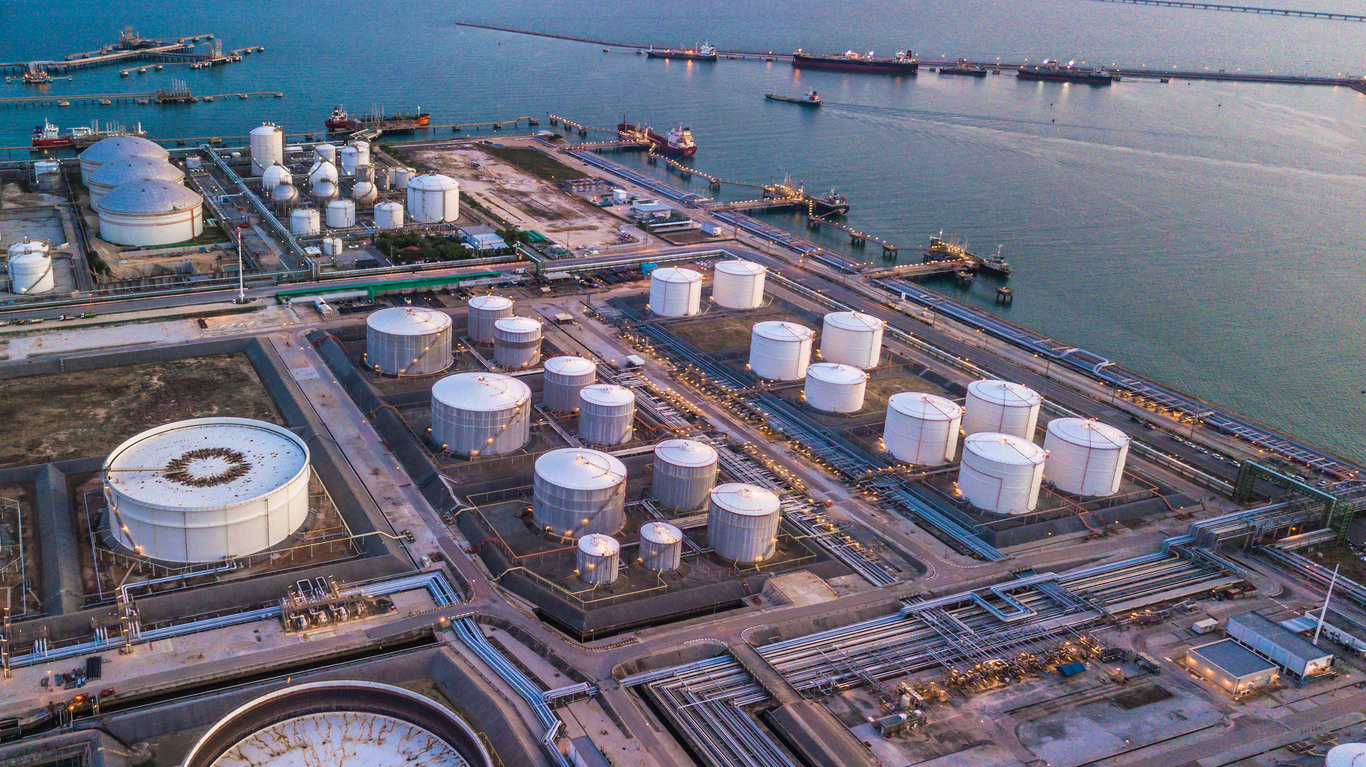
Tank farm rehabilitation in Venezuela has become a critical priority as the country seeks to revive its oil and gas sector. Despite holding the world’s largest proven oil reserves, Venezuela’s infrastructure—including storage tanks, terminals, and pipelines—has suffered decades of underinvestment, mismanagement, and sanctions-related constraints.
Rehabilitating tank farms is essential not only for restoring storage capacity but also for improving operational efficiency, safety, and export readiness. This article explores the current challenges, the importance of rehabilitation, and how strategic partners like Wigmore Trading can support complex supply chain and logistics needs.
The Current State of Tank Farms in Venezuela
Venezuela’s oil storage infrastructure is widely regarded as outdated and partially non-operational. Many storage tanks are corroded, inactive, or operating below capacity due to lack of maintenance and technical upgrades.
Key issues include:
- Corrosion and structural degradation of storage tanks
- Sludge accumulation, reducing usable capacity
- Incomplete or abandoned tank construction projects
- Aging pipeline networks causing leaks and inefficiencies
In some regions, up to a third of storage capacity is inactive, significantly limiting the country’s ability to store and export crude oil efficiently.
Additionally, Venezuela has faced acute storage shortages, with oil volumes piling up due to export restrictions and limited tank availability.
Why Tank Farm Rehabilitation in Venezuela Is Critical
1. Restoring Storage Capacity
Without functional tank farms, oil production cannot scale effectively. Storage constraints have already forced operational slowdowns and risk potential well shutdowns.
Rehabilitation ensures:
- Increased storage capacity
- Improved flow between production and export stages
- Reduced reliance on offshore storage (tankers)
2. Enhancing Safety and Environmental Compliance
Degraded tanks and pipelines increase the risk of leaks, fires, and environmental contamination. Venezuela has previously experienced severe industrial accidents linked to poor tank maintenance.
Modern rehabilitation includes:
- Structural integrity assessments
- Leak detection systems
- Environmental protection measures
3. Supporting Export and Revenue Recovery
Oil exports remain central to Venezuela’s economy. However, inefficient storage infrastructure limits the country’s ability to meet international demand.
Rehabilitated tank farms enable:
- Faster loading operations
- Better crude quality management
- Compliance with international shipping standards
Key Challenges in Tank Farm Rehabilitation Projects
High Capital Requirements
Rehabilitating Venezuela’s oil infrastructure requires significant investment, with estimates reaching tens of billions of dollars across the sector.
Technical Complexity
Tank farm rehabilitation involves:
- Cleaning and removing sludge
- Replacing corroded steel structures
- Upgrading instrumentation and automation systems
These processes require specialised expertise and equipment.
Regulatory and Geopolitical Risks
Sanctions, legal uncertainties, and investment risks continue to affect project timelines and financing.
Companies must ensure:
- Compliance with international regulations
- Secure supply chain partnerships
- Risk-managed project execution
Supply Chain and Logistics Constraints
Transporting materials, equipment, and skilled labour into Venezuela can be complex due to infrastructure limitations and trade restrictions.
This is where experienced international trade partners play a vital role.
Practical Solutions for Effective Rehabilitation
1. Phased Rehabilitation Approach
Instead of full-scale redevelopment, many operators adopt phased strategies:
- Prioritising critical tanks
- Gradually restoring capacity
- Aligning upgrades with production increases
2. International Partnerships
Collaboration with global suppliers and logistics providers ensures access to:
- High-quality materials
- Engineering expertise
- Efficient procurement processes
3. Modernisation and Digital Integration
Rehabilitation is an opportunity to upgrade systems with:
- Automation and monitoring technologies
- Predictive maintenance tools
- Improved inventory management systems
How Wigmore Trading Supports Tank Farm Rehabilitation Projects
Tank farm rehabilitation in Venezuela requires reliable sourcing, logistics coordination, and supply chain management—areas where Wigmore Trading provides practical support.
Wigmore Trading can assist with:
- Sourcing industrial equipment and materials such as steel components, valves, and safety systems
- Managing international procurement and supplier coordination
- Handling complex logistics and shipping requirements into challenging markets
- Ensuring compliance with import/export regulations
By leveraging strong global supplier networks and expertise in African and emerging markets, Wigmore Trading helps businesses reduce operational risks and maintain project timelines.
Conclusion
Tank farm rehabilitation in Venezuela is a foundational step toward rebuilding the country’s oil industry. Addressing infrastructure decay, restoring storage capacity, and modernising systems are essential for improving efficiency, safety, and export potential.
While the challenges are significant—ranging from financial constraints to logistical complexities—strategic planning and reliable partnerships can unlock long-term value.
Wigmore Trading can help. Contact Wigmore Trading today to streamline your sourcing.


Comments are closed.