
Thailand Refined Fuel Rationing Mitigation Strategy: Managing Supply Risks in Regional Fuel Markets


Energy supply disruptions can have significant economic consequences, particularly in regions that rely heavily on refined fuel imports and complex logistics networks. Thailand, a key economic hub in Southeast Asia, periodically evaluates contingency plans to maintain fuel availability during supply disruptions. A well-structured Thailand refined fuel rationing mitigation strategy plays a crucial role in stabilizing domestic markets, protecting essential services, and maintaining industrial productivity.
For businesses involved in fuel supply, logistics, manufacturing, and international trade, understanding how such mitigation strategies work helps reduce operational risk and improve supply chain planning.
Understanding the Thailand Refined Fuel Rationing Mitigation Strategy
Thailand’s refined fuel rationing mitigation strategy is designed to ensure that critical sectors continue to receive fuel during periods of supply shortages or disruptions. These shortages may arise from refinery outages, geopolitical tensions, shipping delays, or sudden spikes in demand.
The strategy typically involves several coordinated measures, including:
-
Strategic fuel stockpiling
-
Temporary demand management
-
Prioritization of essential sectors
-
Import diversification
-
Logistics coordination between government and private operators
Thailand maintains strategic petroleum reserves and regulated fuel stocks held by refiners and distributors. These reserves allow authorities to release fuel into the market when supply disruptions occur, reducing the need for sudden rationing.
Why Fuel Rationing Mitigation Matters for Regional Trade
Thailand is an important logistics and manufacturing hub for Southeast Asia. The country supports large sectors including automotive manufacturing, agriculture, petrochemicals, and export-oriented industries.
A disruption in refined fuel supply can quickly affect:
-
Freight transport and trucking
-
Shipping and port operations
-
Industrial production
-
Food distribution
-
Cross-border trade
A proactive Thailand refined fuel rationing mitigation strategy helps prevent cascading disruptions across supply chains. Instead of sudden market shortages, authorities can manage supply through controlled distribution and reserve releases.
For businesses trading across Asia and Africa, supply stability in key hubs like Thailand is critical for maintaining predictable logistics timelines.
Key Components of Thailand’s Fuel Supply Resilience
Thailand’s mitigation strategy relies on several structural elements that strengthen fuel supply resilience.
Strategic stockholding obligations
Fuel importers and refiners are required to maintain minimum reserves of refined petroleum products. These reserves provide an immediate buffer during supply shocks.
Import diversification
Thailand sources refined fuel and crude oil from multiple international suppliers to reduce dependence on any single region.
Infrastructure capacity
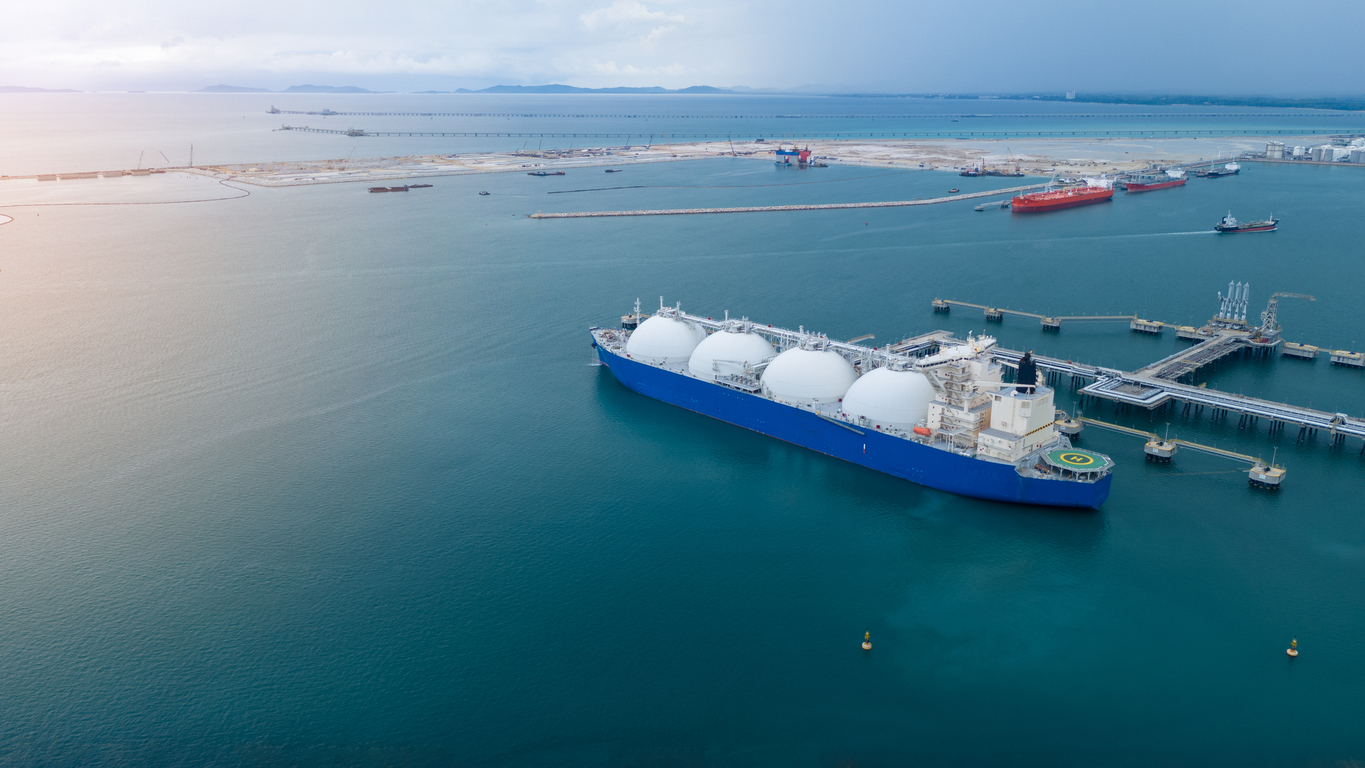
Modern storage facilities, pipelines, and port terminals help ensure that fuel imports can be processed and distributed quickly when additional supplies are required.
Demand management mechanisms
In extreme shortages, the government may temporarily prioritize sectors such as emergency services, agriculture, electricity generation, and public transportation.
Global Supply Chain Risks and Fuel Availability
Fuel shortages rarely occur in isolation. They are often linked to broader supply chain issues such as:
-
refinery shutdowns
-
shipping congestion
-
geopolitical instability
-
fluctuating global crude oil prices
-
infrastructure disruptions
These challenges highlight the importance of supply chain diversification and strategic sourcing.
For companies trading internationally, especially those operating in energy-intensive sectors, maintaining alternative sourcing channels and logistics flexibility can significantly reduce exposure to supply shocks.
The Role of Strategic Trading and Logistics Partners
Companies that depend on refined fuels—whether for manufacturing, transportation, or distribution—benefit from working with experienced trading and logistics partners.
Reliable partners can assist with:
-
sourcing fuel products from diversified markets
-
coordinating international shipments
-
managing storage and distribution
-
navigating regulatory and customs requirements
-
maintaining supply continuity during disruptions
This is particularly important for businesses operating across emerging markets where supply infrastructure may vary widely.
How Wigmore Trading Supports Fuel and Commodity Supply Chains
Managing supply disruptions requires coordination across sourcing, logistics, and compliance. Companies operating in international commodity markets must ensure that supply channels remain stable even when regional disruptions occur.
Wigmore Trading works with global suppliers, logistics providers, and distribution networks to help businesses maintain reliable access to commodities and refined products. Through strategic sourcing, international shipping coordination, and supply chain management support, Wigmore Trading helps companies navigate market volatility and maintain operational continuity.
For organizations operating across Africa, Asia, and international trade routes, having a dependable trading partner can significantly reduce the risks associated with fuel supply fluctuations.
Conclusion
A strong Thailand refined fuel rationing mitigation strategy is essential for protecting economic stability and maintaining the flow of goods during supply disruptions. By combining strategic reserves, diversified imports, infrastructure investment, and demand management policies, Thailand strengthens its resilience against fuel shortages.
For businesses involved in international trade, understanding how fuel supply systems operate—and preparing for potential disruptions—remains an important part of risk management and supply chain planning.
Wigmore Trading can help. Contact Wigmore Trading today to streamline your sourcing and strengthen your supply chain resilience.




Comments are closed.