
The Complete Guide to Plywood Board: Uses, Types, and Sourcing in Africa

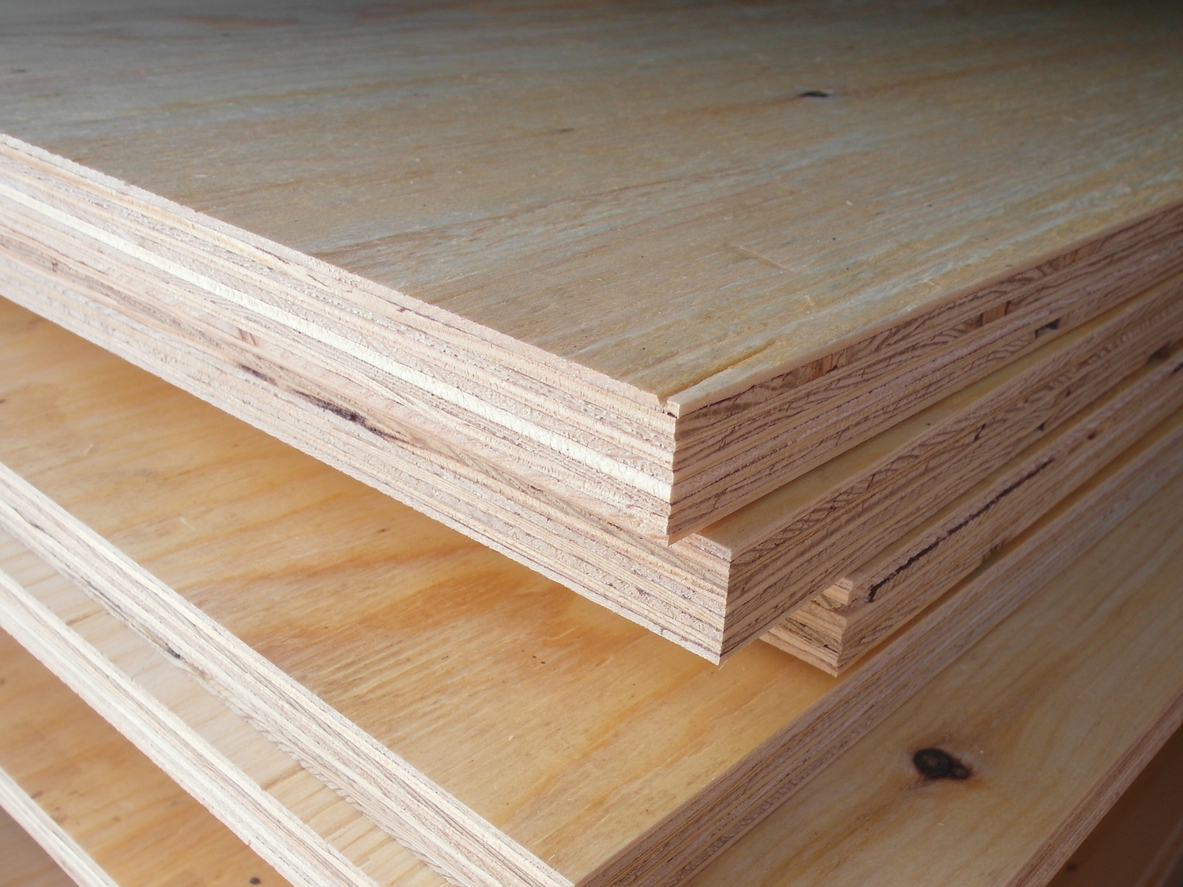
Plywood board is a versatile material widely used in construction, furniture making, and interior design. Its durability, affordability, and flexibility make it a top choice for both commercial and residential projects. For businesses in Africa looking to source quality plywood boards, understanding its types, benefits, and practical applications is essential.
What Is a Plywood Board?
A plywood board is an engineered wood product made by gluing together thin layers of wood veneers. The grains of each layer are arranged at right angles to one another, which enhances strength, reduces warping, and improves durability. This construction method ensures plywood boards can withstand heavy loads and resist moisture better than standard timber.
Types of Plywood Board
When sourcing plywood boards, it’s crucial to understand the different types available:
-
Commercial Plywood Board: Affordable and widely used in general construction.
-
Marine Plywood Board: Treated to resist water, ideal for docks, boats, and humid environments.
-
Exterior Plywood Board: Suitable for outdoor projects, resistant to moisture and weather changes.
-
Flexible Plywood Board: Easily bent for curved structures, furniture, or decorative panels.
Each type has its own strengths, and choosing the right plywood board depends on the intended application.
Common Uses of Plywood Board
Plywood boards are a staple in multiple industries. Key applications include:
-
Construction: Flooring, walls, roofing, and structural support.
-
Furniture Manufacturing: Cabinets, tables, chairs, and wardrobes.
-
Interior Design: Paneling, decorative partitions, and ceiling applications.
-
Industrial Applications: Packaging, crates, and scaffolding.
Wigmore Trading helps businesses identify the most suitable plywood boards for their projects, ensuring the right type is selected for durability and efficiency.
Benefits of Using Plywood Board
Investing in high-quality plywood board offers several advantages:
-
Strength and Stability: Cross-layered construction reduces splintering and warping.
-
Cost-Effectiveness: Less expensive than solid timber while offering similar performance.
-
Versatility: Suitable for both structural and decorative applications.
-
Sustainability: Plywood production often uses smaller wood pieces efficiently, reducing waste.
Businesses can rely on Wigmore Trading to provide plywood boards that meet international standards, ensuring projects stay on time and within budget.
How to Source Plywood Board in Africa
Sourcing plywood boards locally or regionally in Africa requires careful consideration of quality, price, and supplier reliability. Here are key steps:
-
Identify Your Needs: Determine the type and size of plywood board required.
-
Check Certifications: Ensure the plywood board meets quality standards, particularly for moisture resistance.
-
Compare Suppliers: Look for reputable suppliers with proven track records in the African market.
-
Logistics Planning: Work with suppliers who can manage transport and delivery efficiently.
Wigmore Trading supports businesses throughout the sourcing process, from identifying the right plywood board to handling logistics, helping clients save time and reduce risks.
Practical Tips for Maintaining Plywood Board
To extend the life of plywood boards:
-
Avoid prolonged exposure to water unless using marine plywood.
-
Seal edges and surfaces with varnish or paint to prevent moisture damage.
-
Use the correct fasteners and adhesives to maintain structural integrity.
These simple practices help ensure plywood boards perform effectively over the long term.



Comments are closed.