
The Hidden Risks of Black Market Supply Chains in Cuba and How to Overcome Them
Talk to us about this service
Trade, import, logistics, sourcing — whatever you're planning, the fastest way to a quote is a WhatsApp message. Our team replies during Lagos business hours.
WhatsApp usYour message tells us which page you came from
Cuba’s complex economic environment has given rise to a significant black market supply chain, particularly in sectors such as FMCG, food imports, and consumer goods. While informal channels may appear to offer quick solutions to shortages, they introduce substantial operational, legal, and financial risks for businesses seeking to trade in or with Cuba.
Understanding the dynamics of the black market supply chain Cuba risks solutions is essential for companies aiming to operate sustainably and compliantly in this market.
Understanding the Black Market Supply Chain in Cuba
Cuba’s state-controlled economy, import restrictions, and foreign currency limitations have contributed to persistent supply gaps. As a result, informal distribution networks have developed to meet consumer demand for essential and non-essential goods.
These black market supply chains often operate outside regulatory frameworks, relying on unofficial imports, unregistered intermediaries, and undocumented transactions. While they may temporarily ease product shortages, they lack transparency, traceability, and accountability.
For international businesses, engaging with such channels—intentionally or indirectly—can create serious complications.
Key Risks in Black Market Supply Chain Cuba Operations
Regulatory and Legal Exposure
Operating within or alongside informal supply chains can expose businesses to legal penalties, particularly when dealing with international trade regulations and sanctions frameworks. Non-compliance with import/export laws or customs procedures can result in fines, shipment seizures, or restrictions on future trade.
Companies must also consider the extraterritorial implications of global regulations, especially when sourcing goods that pass through multiple jurisdictions.
Quality and Product Integrity Issues
Black market goods often bypass standard quality control processes. This creates a high risk of counterfeit, expired, or substandard products entering the supply chain. For FMCG distributors and wholesalers, this can damage brand reputation and erode customer trust.
Without proper documentation or certification, verifying product origin and compliance with safety standards becomes difficult.
Supply Chain Disruptions
Informal supply networks are inherently unstable. They depend on inconsistent sourcing routes, limited storage infrastructure, and unpredictable logistics arrangements. This can lead to delays, stock shortages, or sudden interruptions.
Businesses relying on such channels may struggle to maintain consistent inventory levels or meet contractual obligations.
Financial and Payment Risks
Transactions within black market systems are often conducted in cash or through unregulated payment channels. This increases exposure to fraud, currency volatility, and lack of financial recourse in case of disputes.
Additionally, the absence of formal invoicing and documentation complicates accounting and auditing processes.
Practical Solutions for Navigating Supply Chain Challenges in Cuba
Partnering with Established Trade Intermediaries
Working with experienced trading companies that understand Cuba’s regulatory landscape is one of the most effective ways to mitigate risk. These partners can facilitate compliant sourcing, manage documentation, and ensure adherence to import/export requirements.
Wigmore Trading, for example, supports businesses by coordinating sourcing and logistics through verified channels, helping reduce reliance on informal networks.
Strengthening Compliance and Due Diligence
Companies should implement rigorous supplier verification processes, including background checks, certification reviews, and contract validation. Ensuring that all partners operate within legal frameworks is critical to avoiding regulatory issues.
Clear documentation, transparent transactions, and adherence to international trade standards are essential components of a compliant supply chain.
Diversifying Supply Sources
Relying on a single or informal supply route increases vulnerability. Businesses should diversify sourcing strategies by identifying multiple suppliers across different regions.
This approach improves resilience and reduces dependency on unstable channels, ensuring a more consistent flow of goods.
Leveraging Structured Logistics and Distribution Networks
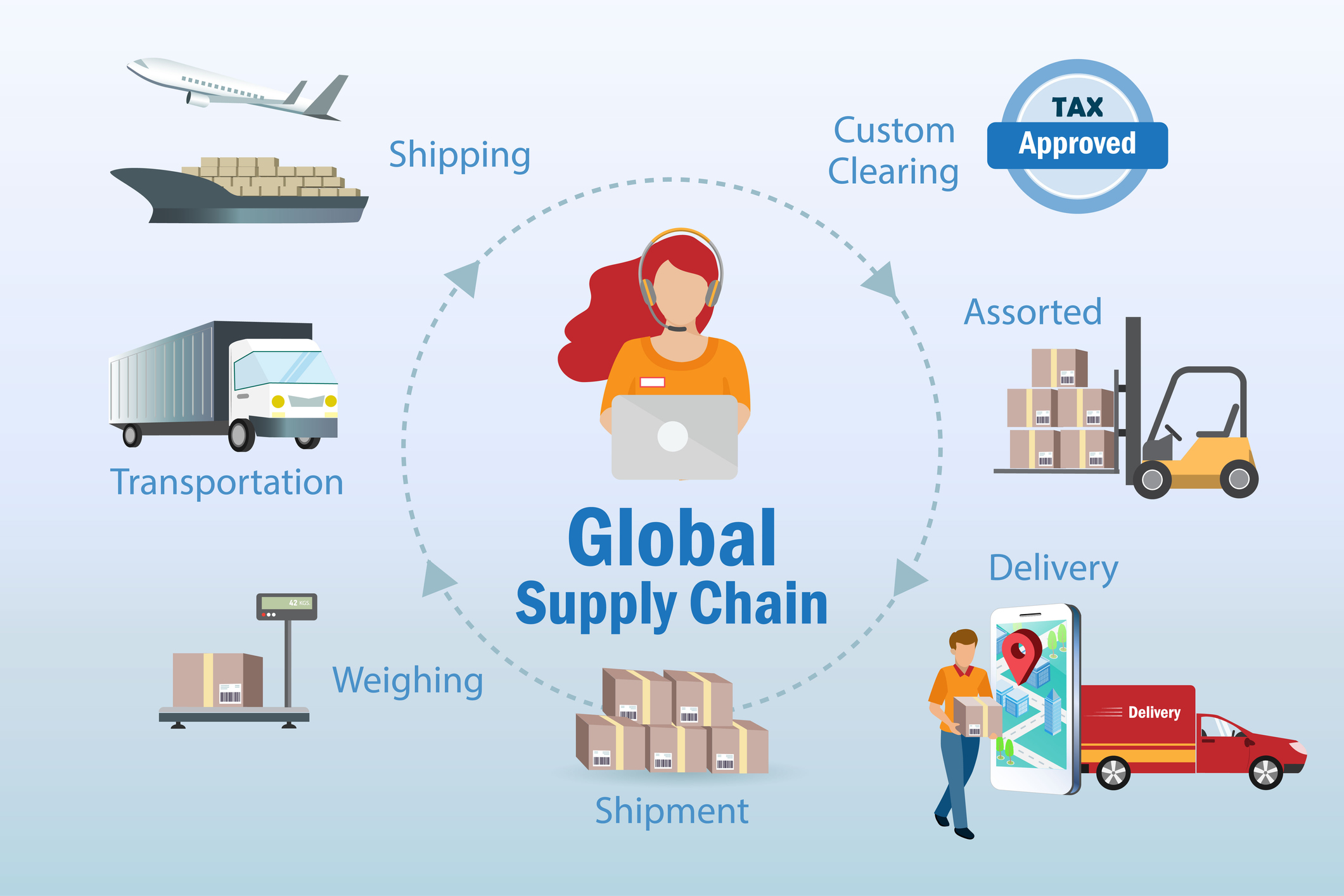
Efficient logistics planning is key to overcoming supply chain challenges in Cuba. This includes proper route optimisation, customs clearance management, and warehousing solutions.
By working with logistics providers that offer end-to-end services, businesses can maintain visibility and control over their shipments, even in complex markets.
Wigmore Trading assists with coordinated logistics and distribution, helping businesses move goods efficiently while maintaining compliance with local and international regulations.
Implementing Risk Management Frameworks
A proactive risk management strategy allows businesses to identify potential disruptions early and respond effectively. This includes monitoring market conditions, assessing supplier reliability, and maintaining contingency plans.
Regular audits and performance evaluations of supply chain partners can further strengthen operational stability.
Building a Sustainable and Compliant Supply Chain
While the black market supply chain in Cuba may seem like a quick solution to market constraints, it presents significant long-term risks. Businesses seeking sustainable growth should prioritise transparency, compliance, and reliability in their operations.
By investing in structured supply chains, partnering with experienced intermediaries, and maintaining strong compliance practices, companies can successfully navigate Cuba’s challenging trade environment.
Wigmore Trading can help. Contact Wigmore Trading today to streamline your sourcing.
No Comments Yet.






Comments are closed.