WIGMORE TRADING LTD, 5TH FLOOR, MULLINER TOWERS, FORMER NNPC BUILDING 39, ALFRED REWANE WAY, IKOYI LAGOS

HOURS: 6 AM -4 PM PST M - TH; 6 AM - 3 PM PST FRI

+234 1 2934174 +234 1 2934176

The Price of Tricycles in Nigeria: A Comprehensive Guide
Get in touch on Whatsapp now:

The Price of Tricycles in Nigeria: A Comprehensive Guide

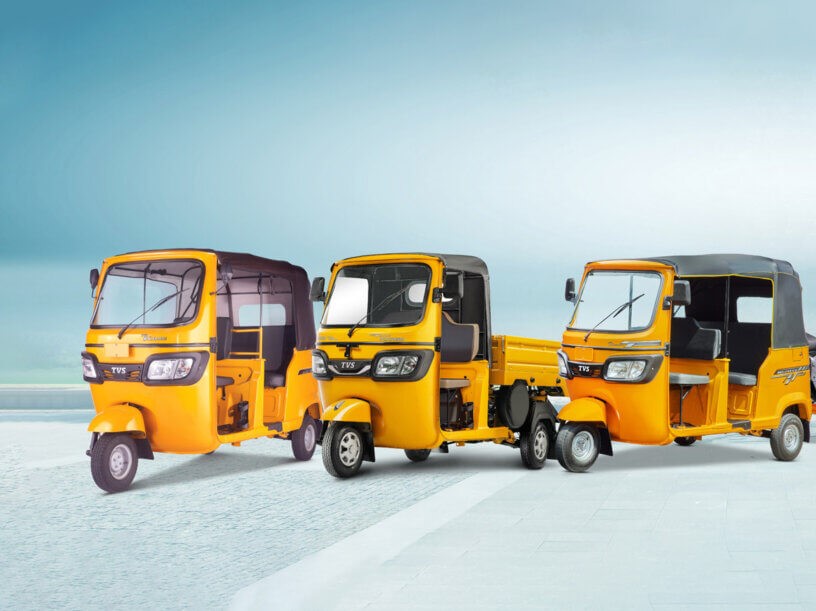
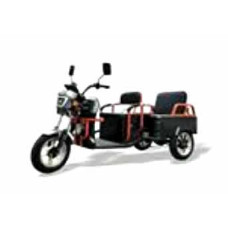
Tricycles, commonly known as “Keke Napep” in Nigeria, are a popular mode of transport due to their affordability and efficiency in navigating through traffic. This guide provides an in-depth look at the pricing of tricycles in Nigeria, the factors affecting their costs, and where to buy them.

Factors Influencing the Price of Tricycles

Several factors influence the price of tricycles in Nigeria, including:

  1. Brand and Model:
    • Popular brands like Bajaj, Piaggio, and TVS generally have higher prices due to their reputation for durability and performance.
    • Models with advanced features and better fuel efficiency tend to be more expensive.
  2. Condition:
    • New Tricycles: Brand new tricycles come with warranties and are priced higher.
    • Used Tricycles: Pre-owned tricycles are cheaper but may require more maintenance.
  3. Engine Capacity:
    • Tricycles with higher engine capacities are more powerful and typically cost more.
  4. Importation Costs:
    • Import duties and taxes can significantly affect the final price of imported tricycles.
  5. Location:
    • Prices may vary depending on the city or state due to transportation costs and local demand.

Price Range of Tricycles

Here’s a general price range for tricycles in Nigeria:

  1. New Tricycles:
    • Bajaj RE Tricycle: ₦800,000 – ₦1,200,000
    • Piaggio Tricycle: ₦850,000 – ₦1,300,000
    • TVS King Tricycle: ₦750,000 – ₦1,100,000
  2. Used Tricycles:
    • Bajaj RE Tricycle: ₦300,000 – ₦600,000
    • Piaggio Tricycle: ₦350,000 – ₦700,000
    • TVS King Tricycle: ₦280,000 – ₦550,000

Where to Buy Tricycles in Nigeria

  1. Authorized Dealerships:
    • Authorized dealers offer new tricycles with warranties and after-sales service.
    • Example: Boulos Enterprises Ltd for Piaggio tricycles.
  2. Online Marketplaces:
    • Platforms like Jiji, OList, and Cheki offer a range of new and used tricycles.
    • Example: Jiji.ng
  3. Local Markets:
    • Major cities like Lagos, Abuja, and Kano have markets where tricycles are sold.
    • Example: Ladipo Market in Lagos is known for automotive and tricycle sales.

Tips for Buying Tricycles

  1. Research and Compare: Compare prices and models from different sellers to get the best deal.
  2. Inspect Thoroughly: For used tricycles, inspect the vehicle’s condition and test drive before purchase.
  3. Check Documentation: Ensure all necessary documents, including registration and ownership papers, are in order.
  4. Negotiate: Don’t hesitate to negotiate the price to get a better deal.

Conclusion

Understanding the various factors that influence the price of tricycles in Nigeria and knowing where to buy them can help you make an informed decision. Whether you opt for a new or used tricycle, thorough research and careful inspection are key to securing a good deal. For a wide range of options and competitive prices, explore local dealerships and online marketplaces.


Back to News

No Comments Yet.

One reply on “The Price of Tricycles in Nigeria: A Comprehensive Guide”

LEAVE A COMMENT

VISIONARY, BOLD, DISRUPTIVE

Each month, Wigmore team of experts contribute to the latest insights and analysis, setting the agenda and leading the discussion on unlocking capital so you can put it to work.

Middle East Air Cargo Repricing Strategy: How to Protect Margins While Staying Competitive

Air freight in the Middle East is shaped by fast-moving demand cycles, multi-airport routing options, and strong links to Africa, Asia, and Europe. When costs shift—fuel, capacity, security screening, handling,...

Read More

Hong Kong Structured Inventory Monetization: Turning Stock Into Working Capital

Hong Kong has long been a strategic gateway for Asian trade, combining efficient port and airport infrastructure, sophisticated banking, and proximity to major manufacturing hubs. For importers, wholesalers, and FMCG...

Read More

China Barter Trade Framework Energy Suppliers: How to Structure Compliant, Bankable Deals

Barter and “countertrade” arrangements are reappearing in parts of global commodities trade, especially where buyers and sellers face currency volatility, payment frictions, or restricted access to correspondent banking. For energy...

Read More

Cyprus Offshore Structuring for Asset Insulation: A Practical Guide for International Trade Businesses

International trade businesses—especially those operating across Africa, Europe, and the Middle East—face a familiar set of risks: counterparty defaults, cargo claims, regulatory penalties, FX volatility, and disputes that can spill...

Read More

Kuwait Sovereign Asset Defensive Allocation: What It Means for Trade, Liquidity, and Risk Management

Sovereign wealth funds (SWFs) are designed to protect and grow national wealth across generations. In practice, that means balancing long-term return goals with the ability to withstand market shocks—oil price...

Read More

Wigmore Trading, FMCG Distributors, Wholesale and Logistics in Lagos, Nigeria. Abuja & West Africa. | Wigmore Trading Nigeria | Wigmore Trading Nigeria

WhatsApp Chat