
The Rise of Hand Dryers in Ghana: A Game-Changer for Sustainable Development
Talk to us about this service
Trade, import, logistics, sourcing — whatever you're planning, the fastest way to a quote is a WhatsApp message. Our team replies during Lagos business hours.
WhatsApp usYour message tells us which page you came from
The Rise of Hand Dryers in Ghana: A Game-Changer for Sustainable Development
Welcome to the world of hand dryers in Ghana, where innovation and sustainable development go hand in hand! Gone are the days of paper towels lining bathroom counters and overflowing waste bins. In this blog post, we delve into the remarkable rise of hand dryers in Ghana and how they have become a game-changer for both hygiene practices and environmental conservation. Join us as we explore this revolutionary trend that is shaking up traditional drying methods and paving the way towards a brighter, greener future.
Introduction to Hand Dryers in Ghana
Hand dryers are an important tool for sustainable development in Ghana. They help to reduce the amount of water used for handwashing and can be used to dry hands after washing them with soap and water.
Hand dryers also help to reduce the spread of disease by preventing the growth of bacteria on wet hands. In addition, they can be used to dry food or other items that have been contaminated with water.
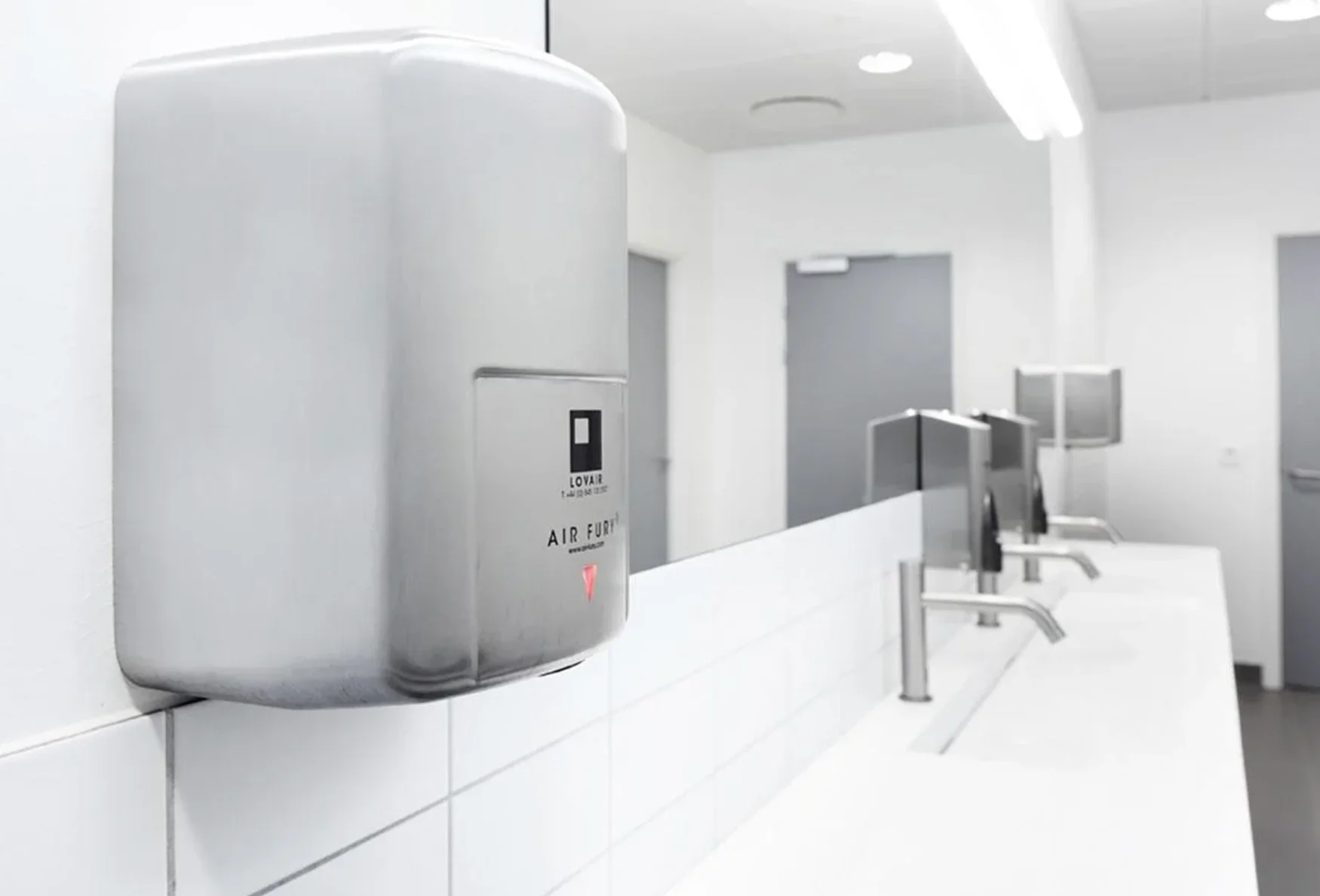
Hand dryers are available in a variety of sizes, shapes, and colors. They can be mounted on walls or placed on countertops. Some hand dryers have sensors that automatically turn them on when hands are placed under them.
Most hand dryers use electricity to operate. Some models are powered by batteries, solar panels, or other renewable energy sources.
The Benefits of Hand Dryers for Sustainable Development
Hand dryers are becoming increasingly popular in Ghana as a sustainable and convenient alternative to paper towels. Hand dryers offer many benefits for both businesses and consumers, including reducing the need for paper towel waste, saving water and energy, and improving hygiene.
For businesses, hand dryers can help to reduce costs associated with paper towel waste disposal and custodial services. Hand dryers can also save businesses money on their water and energy bills. In addition, hand dryers can help to improve employee hygiene by reducing the spread of germs.
For consumers, hand dryers offer a convenient and efficient way to dry their hands without the need for paper towels. Hand dryers can also help to reduce the amount of paper towel waste produced each year. In addition, hand dryers can improve public hygiene by reducing the spread of germs in public restrooms.
How Wigmore Trading is Making Hand Dryers More Accessible
Wigmore Trading is a social enterprise that is working to make hand dryers more accessible in Ghana. The company was founded by two Ghanaian entrepreneurs, Isaac Wigmore and Prince Owusu-Ansah, who saw the potential for hand dryers to improve hygiene and reduce the spread of disease inGhana.
Since its inception, Wigmore Trading has installed over 1,000 hand dryers in schools, hospitals, and other public places across Ghana. The company has also trained over 200 maintenance staff on how to properly install and maintain the hand dryers.
In addition to making hand dryers more accessible, Wigmore Trading is also working to educate the public about the importance of proper hand hygiene. The company has developed a Handwashing Awareness Campaign that encourages people to wash their hands regularly with soap and water.
The campaign has been extremely successful, reaching over 1 million people through radio, television, and print media. Thanks to the efforts of Wigmore Trading, hand washing is now being practiced more regularly in Ghana and the incidence of diseases such as cholera and diarrhoea have decreased significantly.
The Effects of Wigmore’s Hand Dryers on the Environment
In Ghana, Wigmore’s hand dryers are having a positive effect on the environment. The dryers use less energy than traditional hand dryers, and they emit no carbon dioxide or other greenhouse gases. This is resulting in a reduction in the country’s carbon footprint. In addition, the dryers are helping to conserve water. By using less water, the dryers are reducing the strain on Ghana’s water resources.
Health Benefits of Installing Hand Dryers
If you’re looking for a way to improve public health in Ghana, installing hand dryers in public places is a great place to start. Hand dryers have been shown to reduce the spread of bacteria and viruses, making them ideal for use in high-traffic areas where hygiene is a concern.
In addition to their sanitary benefits, hand dryers are also more sustainable than paper towels. They use less energy and generate less waste, which helps to reduce your carbon footprint.
Installing hand dryers is a simple and effective way to promote good hygiene and sustainability. If you’re looking for ways to improve public health and lower your environmental impact, consider investing in hand dryers for your next project.
Reasons Why There Has Been Slow Adoption of Hand Dryers in Ghana
There are several reasons why there has been a slow adoption of hand dryers in Ghana, despite their potential to help improve hygiene and reduce the spread of disease. One reason is the high cost of purchasing and installing hand dryers, which can deter many businesses and households from investing in them. Additionally, many people in Ghana are still not aware of the benefits of using hand dryers, and so they continue to use traditional methods like towels or air drying. There is also a lack of reliable electricity in Ghana, which can make it difficult to use hand dryers consistently. Some people may be hesitant to use hand dryers because they require touching them with their hands, which can be seen as unhygienic.
Conclusion
Hand dryers in public spaces are a new and innovative way to reduce the environmental impacts of single-use paper towels. The installation of hand dryers is an important step towards sustainability and better hygiene practices, especially in developing countries such as Ghana. By providing access to affordable hand dryers, businesses can help reduce their carbon footprint while also improving the health and well-being of those around them. It’s a win-win for everyone!


Comments are closed.