
The Role of a Financial Fraud Investigator in Nigeria’s Business Environment

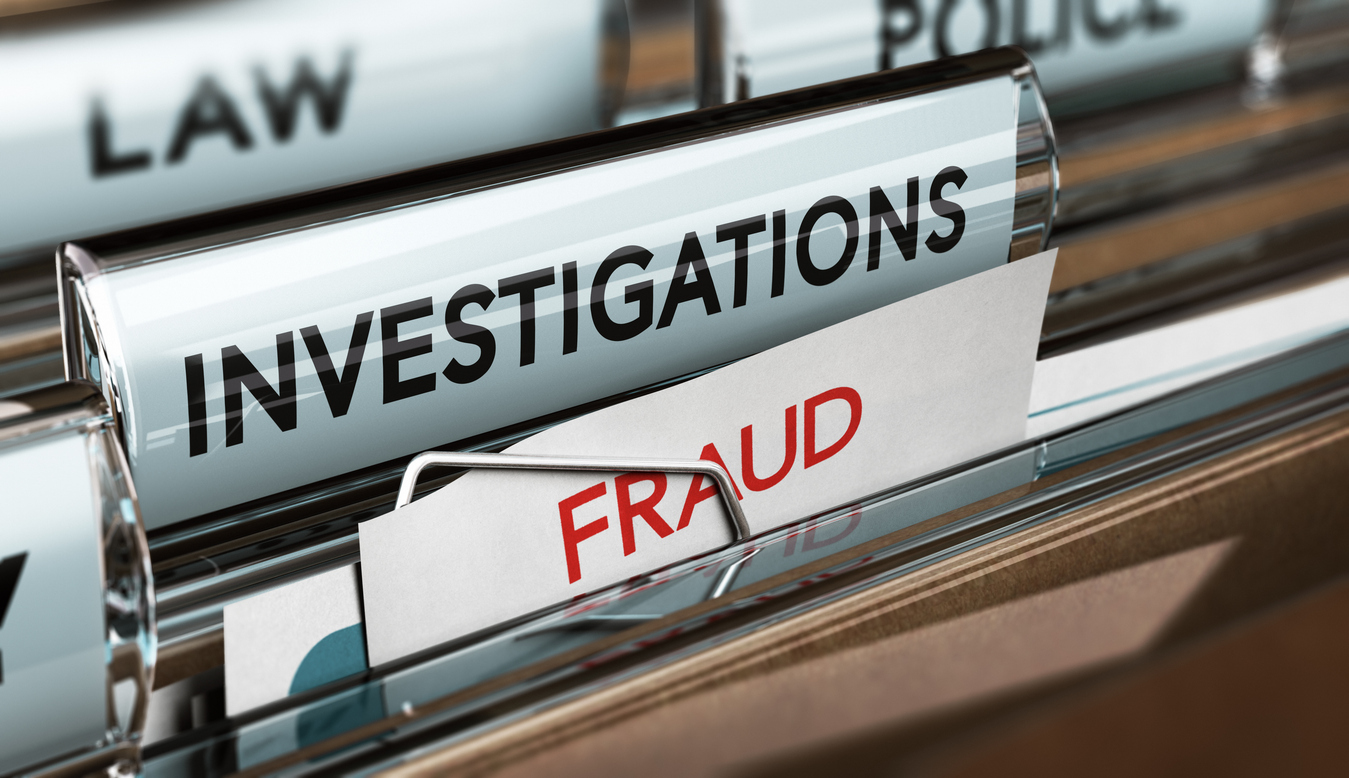
Financial fraud remains one of the most significant risks facing businesses operating in Nigeria. From procurement manipulation and payroll fraud to complex cross-border trade schemes, fraudulent activities can severely disrupt operations, damage reputations, and result in financial losses. As a result, the role of a financial fraud investigator in Nigeria has become increasingly important for companies across import/export, wholesale distribution, FMCG, logistics, and broader African trade sectors.
Understanding how financial fraud investigations work and how businesses can strengthen internal controls is essential for sustainable growth.
Why a Financial Fraud Investigator in Nigeria Is Critical for Modern Businesses
A financial fraud investigator in Nigeria specializes in detecting, analysing, and resolving financial crimes within organisations. These professionals examine financial records, trace transactions, identify irregularities, and gather evidence that may be used in civil or criminal proceedings.
Nigeria’s dynamic trade environment presents unique risks. High transaction volumes, multi-layered supply chains, and cross-border payments increase exposure to:
-
Procurement fraud and supplier collusion
-
Inventory diversion in warehouses and distribution networks
-
False invoicing in import/export transactions
-
Payroll manipulation
-
Misuse of company funds by internal actors
For companies involved in wholesale distribution or FMCG imports, even small discrepancies in procurement or logistics documentation can result in significant losses over time. A structured fraud investigation process helps identify the root cause rather than just the symptoms.
Common Types of Financial Fraud in Nigeria’s Trade and Logistics Sector
Financial misconduct can occur at different stages of the supply chain. A financial fraud investigator in Nigeria typically examines several high-risk areas.
Procurement and Supplier Fraud
In import and export operations, procurement fraud often involves inflated invoices, fake suppliers, or collusion between internal staff and external vendors. This can distort cost structures and reduce profitability.
Strong supplier verification, contract transparency, and periodic audits are essential controls. Businesses working with established sourcing partners, such as Wigmore Trading, can reduce exposure by ensuring suppliers are vetted and documentation is properly reviewed.
Inventory and Warehouse Manipulation
For FMCG distributors and wholesalers, inventory is a major asset. Fraud may occur through:
-
Stock diversion
-
Falsified inventory reports
-
Ghost deliveries
-
Unauthorised discounts
A financial fraud investigator in Nigeria often reviews stock reconciliation reports, warehouse logs, and transport documentation to detect inconsistencies. Integrating digital inventory management systems and segregation of duties can significantly reduce these risks.
Trade Finance and Payment Irregularities
Cross-border transactions present additional complexities. Fraud risks may include:
-
Forged shipping documents
-
Duplicate payment requests
-
Misrepresentation of goods
-
Manipulation of letters of credit
Companies engaged in African trade must ensure compliance with banking and customs regulations. Careful documentation management and independent verification of trade paperwork are essential preventative measures.
The Financial Fraud Investigation Process in Nigeria
When fraud is suspected, a structured and legally sound approach is necessary. A financial fraud investigator in Nigeria typically follows a clear process:
Preliminary Assessment
The investigation begins with identifying red flags, such as unexplained financial variances, unusual supplier patterns, or discrepancies in logistics documentation.
Evidence Collection and Analysis
Investigators review accounting records, bank statements, contracts, invoices, and digital communications. Forensic accounting techniques may be applied to trace funds and reconstruct financial activity.
Interviews and Internal Review
Staff interviews and policy reviews help determine whether control weaknesses enabled the fraud. The focus is not only on identifying the responsible party but also on understanding systemic vulnerabilities.
Reporting and Remediation
A comprehensive report outlines findings, financial impact, and recommended corrective actions. This may include strengthening internal controls, revising procurement procedures, or improving supply chain oversight.
For businesses in import/export and wholesale distribution, remediation often involves restructuring approval hierarchies and introducing clearer compliance checks across logistics and finance departments.
Preventing Fraud Through Strong Supply Chain Governance
While a financial fraud investigator in Nigeria plays a vital role in detecting misconduct, prevention is equally important. Businesses can reduce risk by implementing:
-
Clear segregation of duties in finance and procurement
-
Independent supplier verification processes
-
Automated inventory tracking systems
-
Regular internal and external audits
-
Transparent documentation for imports and exports
Working with experienced trade and distribution partners also reduces exposure to fraudulent intermediaries. Wigmore Trading supports businesses by ensuring transparent sourcing, reliable supplier networks, and structured logistics processes that minimise documentation errors and compliance gaps.
In high-volume sectors such as FMCG distribution, robust supply chain governance is not optional—it is fundamental to profitability and long-term stability.
Regulatory and Compliance Considerations in Nigeria
Nigeria’s regulatory framework includes anti-corruption laws, financial reporting requirements, and anti-money laundering regulations. Companies operating in cross-border trade must also comply with customs and foreign exchange controls.
A financial fraud investigator in Nigeria must understand these regulatory requirements to ensure that investigations align with local laws and evidentiary standards.
For importers and exporters, compliance failures can lead to:
-
Regulatory penalties
-
Suspension of trade licenses
-
Reputational damage
-
Loss of banking relationships
Ensuring documentation accuracy, transparent financial reporting, and compliance with trade regulations reduces both fraud risk and regulatory exposure.
Building a Resilient Business Environment
Financial fraud is not limited to large corporations. Small and medium-sized enterprises involved in wholesale trade and logistics are equally vulnerable. As operations scale, transaction complexity increases, creating more opportunities for manipulation if controls are weak.
Engaging a qualified financial fraud investigator in Nigeria when concerns arise is a prudent step. However, proactive governance, transparent supply chain management, and strong compliance frameworks are the most effective long-term safeguards.
Businesses that prioritise due diligence, reliable sourcing, and structured distribution networks position themselves for sustainable growth within Nigeria and across African markets.
Wigmore Trading can help.






Comments are closed.