
The Role of Private Security Maritime Choke Point Operators in Global Trade

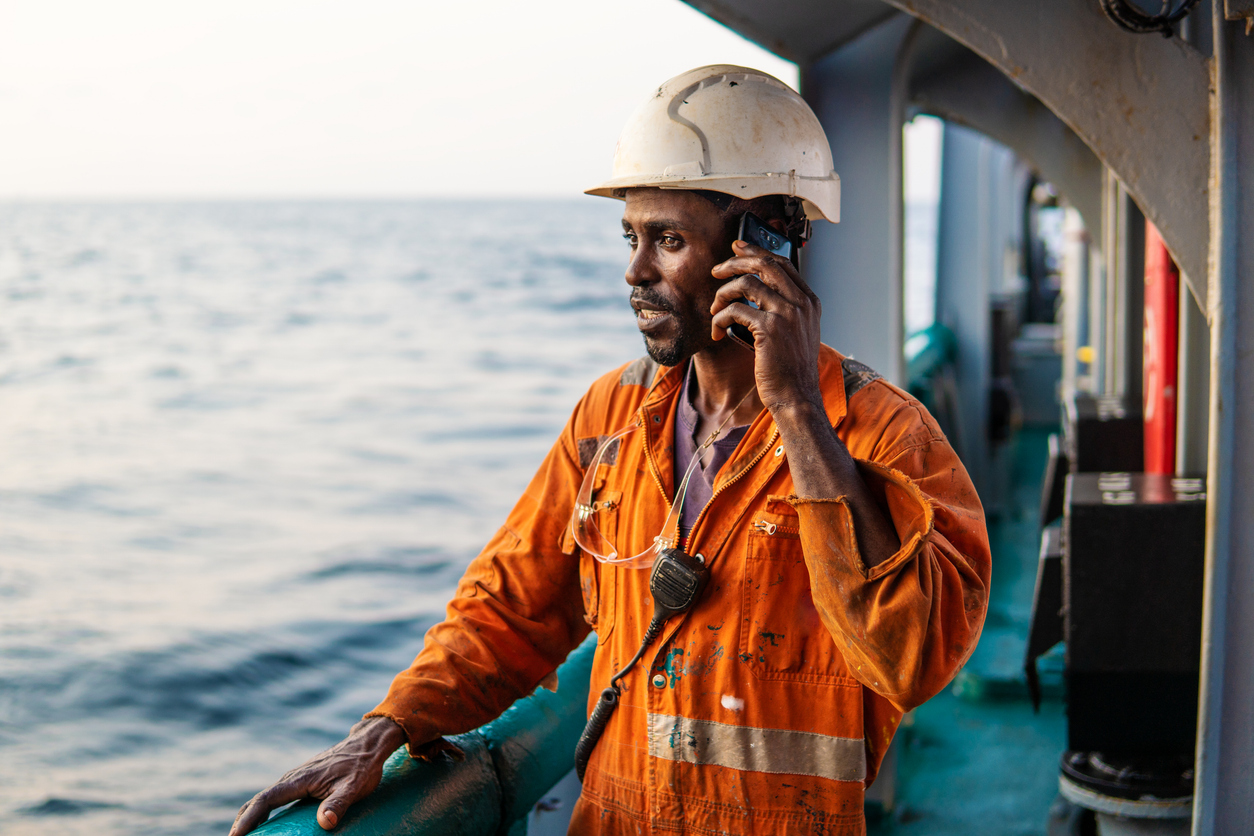
Maritime trade depends on the safe and uninterrupted movement of vessels through critical shipping routes. However, some of the world’s most important sea lanes are also high-risk zones due to piracy, geopolitical tensions, and security threats. This is where private security maritime choke point operators play an important role in protecting vessels, cargo, and supply chains.
For companies involved in global trade, including importers, exporters, and logistics providers, understanding how these security operators function can help reduce risk and maintain supply chain continuity.
What Are Private Security Maritime Choke Point Operators?
Private security maritime choke point operators are specialized security providers that safeguard vessels and maritime infrastructure in narrow or high-risk shipping passages known as maritime choke points.
Maritime choke points are narrow waterways where large volumes of global shipping traffic pass through. Because of their strategic importance, they can become hotspots for piracy, smuggling, terrorism, or geopolitical disruption.
Private maritime security firms deploy trained personnel, surveillance systems, and risk management strategies to protect ships traveling through these areas. Their services may include:
-
Armed or unarmed vessel protection teams
-
Risk assessments and route planning
-
Real-time monitoring and threat intelligence
-
Escort services and security coordination with naval forces
These services are often used by shipping companies, energy firms, and large logistics operators that move valuable or sensitive cargo.
Why Maritime Choke Points Are Critical to Global Trade
A small number of maritime choke points handle a significant portion of the world’s seaborne trade. Disruptions in these locations can affect fuel supplies, consumer goods, and industrial raw materials worldwide.
Key choke points include:
-
The Strait of Hormuz
-
The Bab el-Mandeb Strait
-
The Suez Canal
-
The Strait of Malacca
-
The Panama Canal
For businesses sourcing or exporting goods across continents, delays or security incidents in these areas can disrupt shipping schedules and increase freight costs.
Importers and distributors operating across Africa, Europe, Asia, and the Middle East must often plan routes that pass through one or more of these locations. As a result, private security maritime choke point operators have become an important part of modern maritime risk management.
Security Threats in Maritime Choke Points
Several risks make choke points vulnerable and difficult to secure.
Piracy and Armed Robbery
Piracy remains a persistent concern in regions such as the Gulf of Aden and parts of West Africa. Criminal groups may target cargo vessels, oil tankers, or container ships traveling through narrow passages where maneuvering options are limited.
Private maritime security teams help deter attacks through visible protection and rapid response capability.
Geopolitical Tensions
Strategic waterways are often located in politically sensitive regions. Conflicts, sanctions, or military activity can threaten commercial shipping and cause delays or route changes.
Security operators monitor developments and provide threat intelligence so shipping companies can adjust routes and security protocols.
Smuggling and Illegal Activity
Some choke points are known routes for smuggling operations involving fuel, weapons, or other illicit goods. Security teams help shipping operators avoid high-risk zones and maintain compliance with international maritime regulations.
How Private Security Maritime Choke Point Operators Support Shipping Companies
Security operators provide multiple layers of protection to ensure vessels pass safely through vulnerable regions.
Risk Assessment and Voyage Planning
Before vessels enter high-risk areas, security teams analyze potential threats, route options, and geopolitical developments. This allows shipping companies to plan safer transit schedules and security measures.
Onboard Vessel Protection
Many maritime security providers place trained teams onboard vessels during high-risk passages. Their presence alone often acts as a deterrent to piracy or criminal activity.
Teams may also implement defensive strategies such as surveillance monitoring, safe room protocols, and communication with naval patrols.
Coordination With Maritime Authorities
Security operators frequently work alongside international naval forces, port authorities, and maritime coordination centers. This ensures faster response times if threats emerge during transit.
For shipping companies moving high-value cargo such as energy products, electronics, or industrial equipment, these security partnerships are an essential risk management tool.
The Importance of Security for African Trade Routes
Africa’s growing role in global trade means many shipments move through strategic maritime corridors. Trade between Africa, Asia, Europe, and the Americas often relies on routes that pass through high-risk maritime choke points.
Companies importing consumer goods, machinery, and raw materials into African markets must consider security risks that may affect supply chains.
Reliable maritime security helps:
-
Protect cargo from theft or disruption
-
Prevent costly shipping delays
-
Ensure compliance with international maritime regulations
-
Maintain stable trade flows across continents
Strengthening Supply Chains Through Risk Management
While maritime security providers protect vessels at sea, businesses must also ensure that their supply chains remain efficient once cargo reaches port.
This includes managing customs procedures, inland logistics, and distribution networks.
Companies operating in African markets often face additional challenges such as infrastructure limitations, regulatory requirements, and cross-border logistics coordination.
Working with experienced trade and logistics partners can help businesses navigate these complexities and reduce delays.
Conclusion
Global shipping depends heavily on safe transit through narrow and strategically important waterways. Private security maritime choke point operators help protect vessels from piracy, geopolitical threats, and criminal activity in these regions.
For companies engaged in international trade, maritime security is only one part of maintaining reliable supply chains. Efficient sourcing, logistics coordination, and regulatory compliance are equally important for ensuring goods move smoothly from origin to destination.
Wigmore Trading supports businesses involved in international trade by providing sourcing, logistics coordination, and supply chain solutions across global markets.
Contact Wigmore Trading today to streamline your sourcing and distribution operations.




Comments are closed.